


INTRODUCTION
3D printing has come a long way from its early, experimental days, but one thing hasn’t changed, filaments are still sensitive materials. Many of them, especially hygroscopic ones like PLA+, ABS, PETG, TPU, and Nylon, absorb moisture from the air. Even a small amount of humidity can cause popping, stringing, inconsistent extrusion, or that frustrating fuzzy surface finish that ruins an otherwise perfect print. That’s why filament drying has become a core part of a reliable 3D‑printing workflow, right alongside bed leveling and slicer tuning. And in that landscape of drying solutions, one model in particular has been getting attention for its design and practicality, the POLYPHEMUS filament dryer by EIBOS.
EIBOS was established on April 20, 2020, in the cement forest of Shenzhen. We believe the world will eventually revolve around technology advancement. We believe that 3D printing will promote this process. We believe in the laws of world movement. We believe in physics and mathematics. We believe many things in the world. We believe that there are still many unknown things in this world. Excellent Ideas Based On Structure, EIBOS, may the technology to be with you.
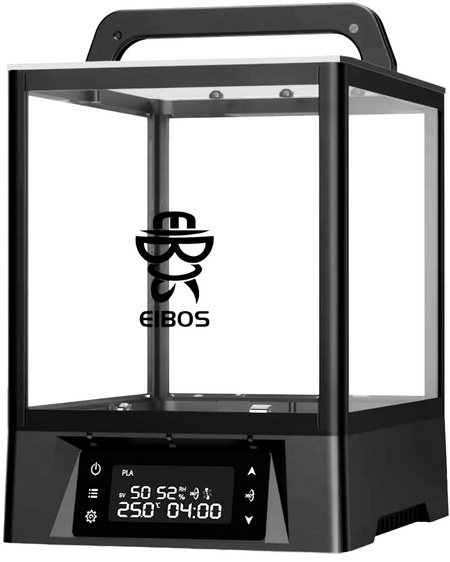
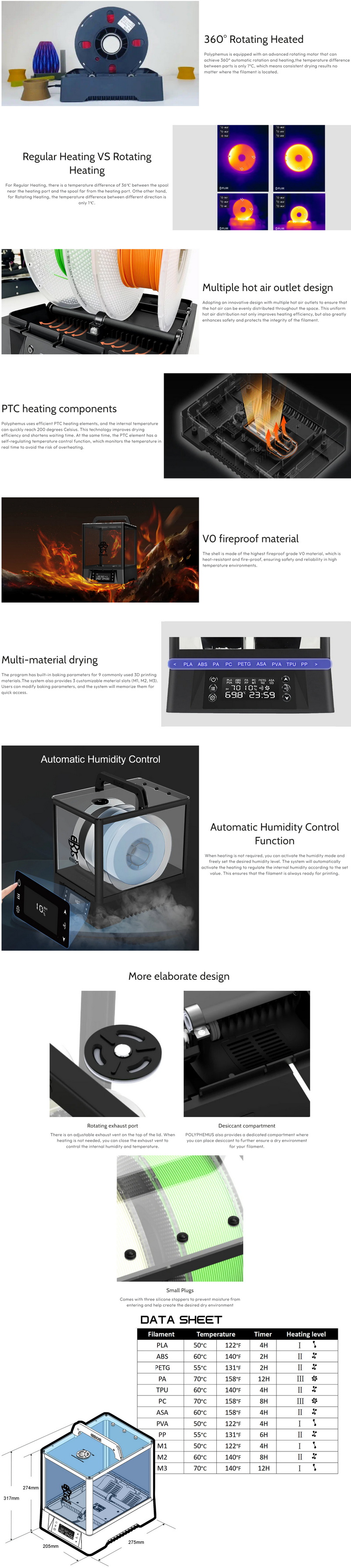
The POLYPHEMUS is EIBOS’s new‑generation filament dryer, built around the company’s core principles of active drying and controlled air circulation. Instead of blasting heat directly onto the spool like other models, it uses multiple hot‑air outlets (maximum operating temperature of 70°C) to distribute warmth evenly, supported by a 360° rotating platform that eliminates top‑to‑bottom temperature inconsistencies. It offers automatic humidity control, three heating‑power modes for different material sensitivities, and built‑in presets for nine filament types, from PLA, ABS and PETG to PA, PC, and TPU, plus three customizable slots for user‑defined profiles. Internal chamber‑mounted sensors provide accurate, real‑time temperature and humidity readings, with support for both °C and °F. By default, the POLYPHEMUS is designed as a dual‑spool dryer that supports two 1kg filaments (210x80mm each) but for users who rely on oversized or industrial‑grade filaments, EIBOS offers a dedicated 3kg expansion kit allowing the dryer to accommodate a full 3kg spool (210x170mm) without compromising rotation or airflow.
SPECIFICATIONS AND FEATURES
PACKAGING AND CONTENTS
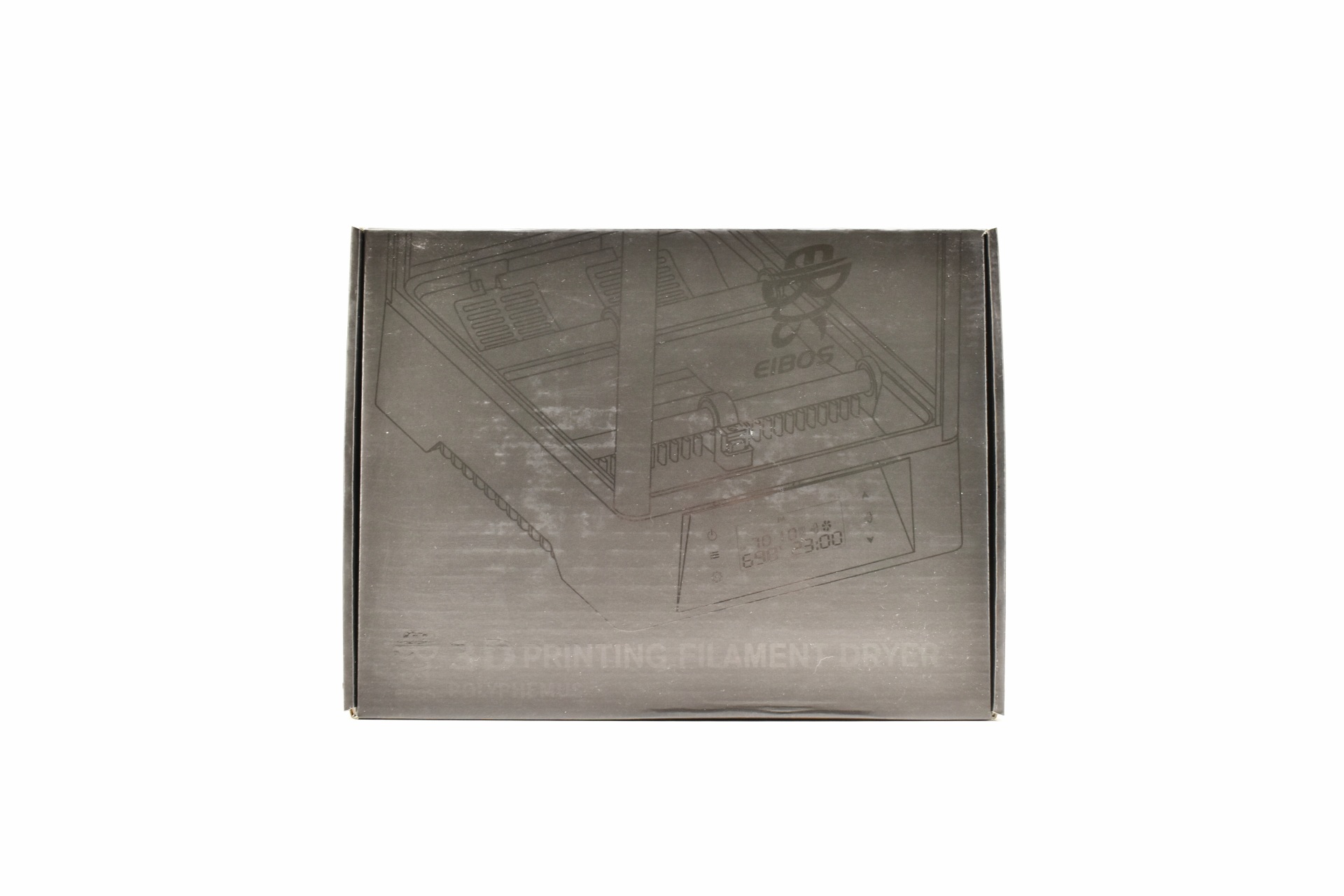
EIBOS uses a black box to ship the POLYPHEMUS in the front of which features a rather subtle drawing which isn't very easy to notice.
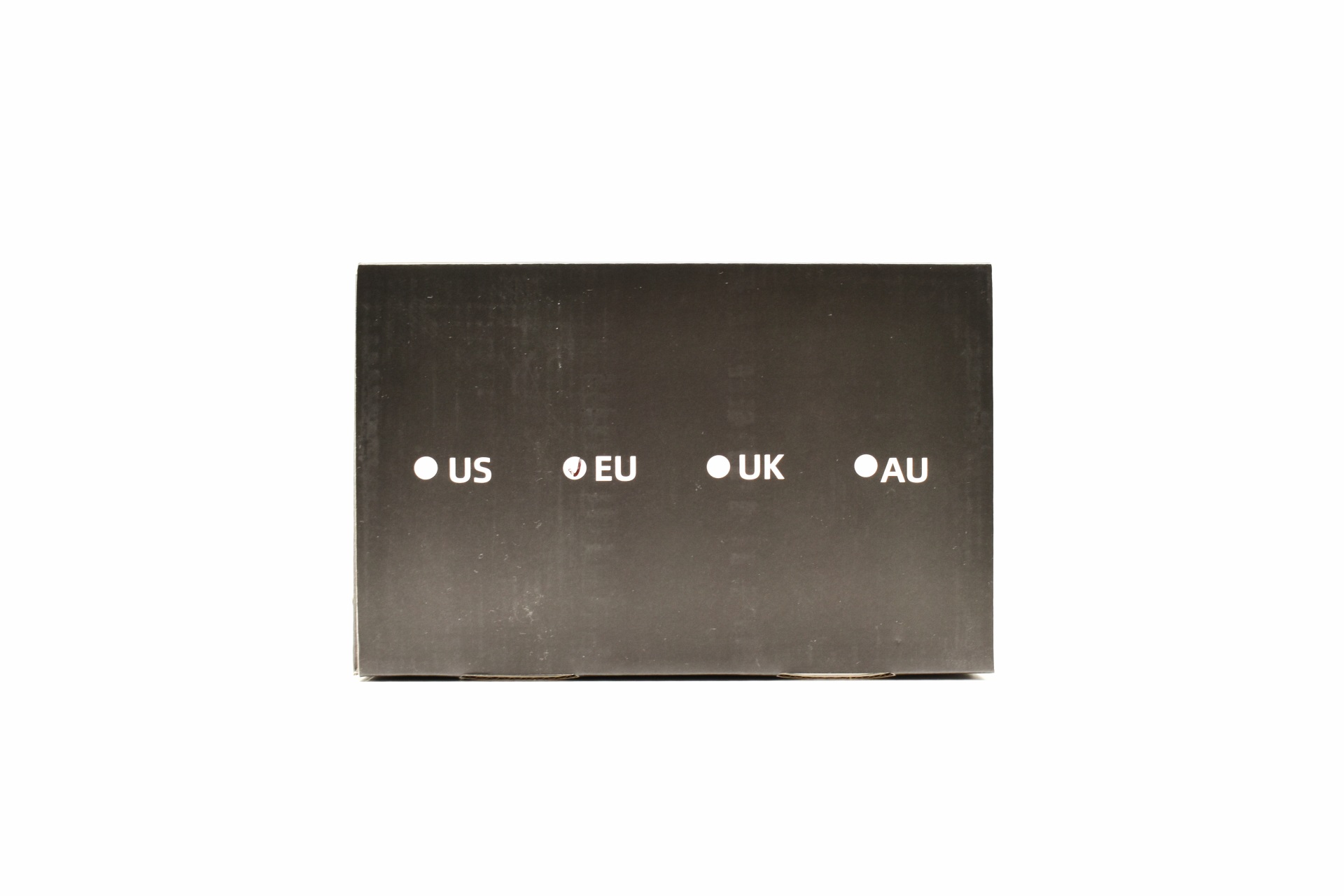
The model version (power plug and power supply) is noted on the left side as seen above.
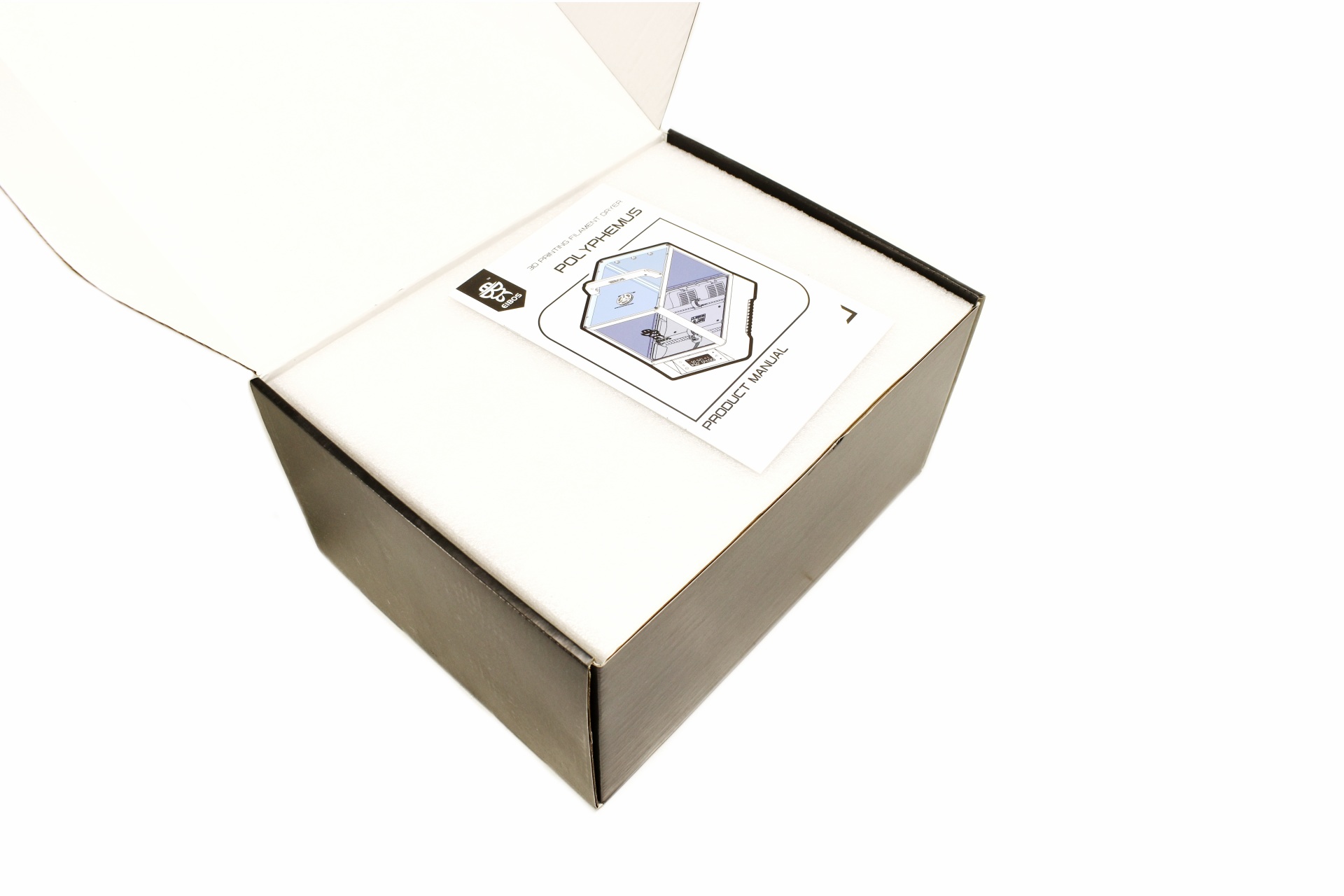
Typically, the entire bundle is placed between pieces of foam.
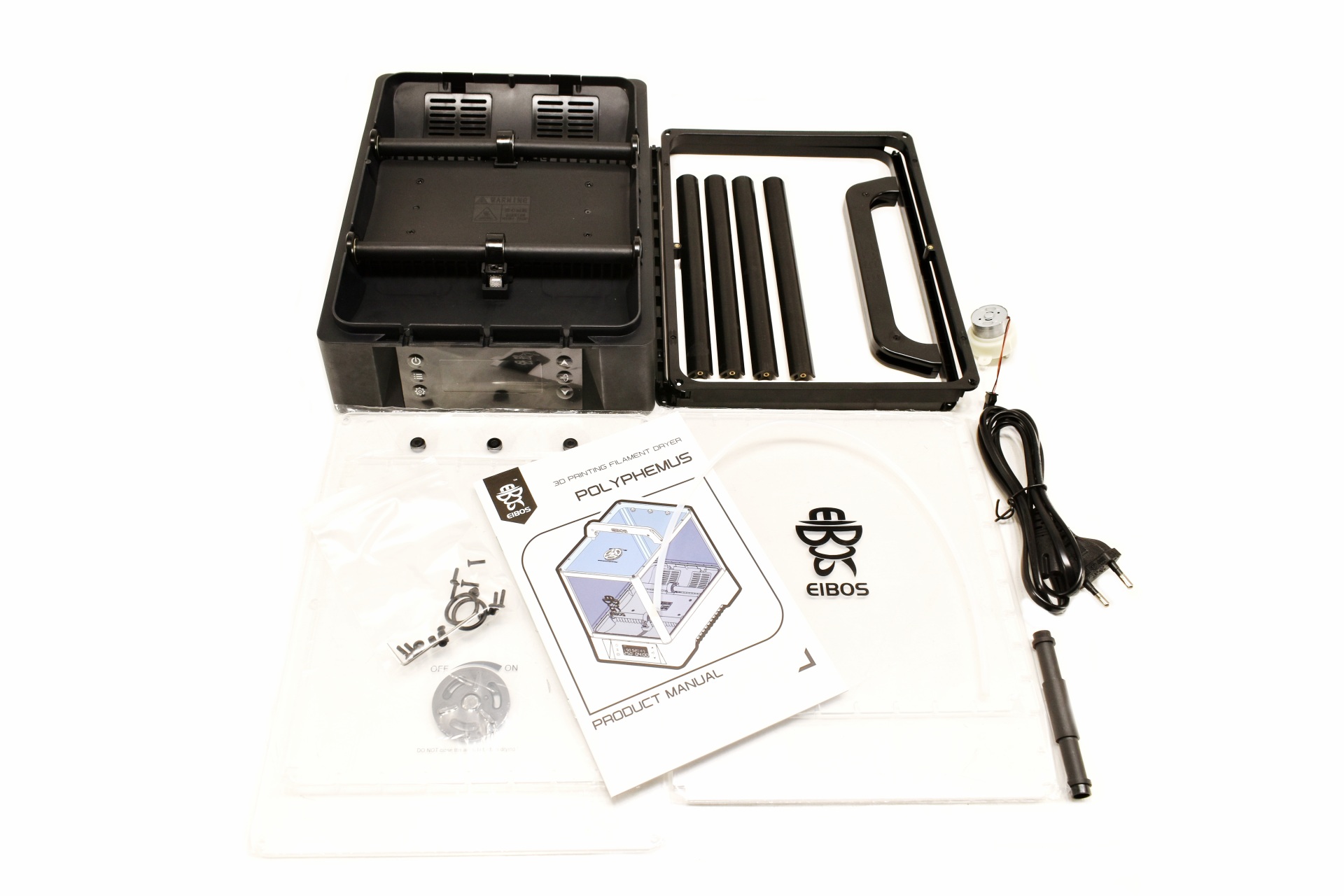
Inside the box you'll find the main dryer with its power cord, extra motor (1500 hours lifespan), extra spool roller, 6 lid frames (2xA / 4xB), 5 acrylic panels, plastic handle, 10 screws, Allen wrench, Teflon tube, 3 silicone stoppers and the product manual.
THE POLYPHEMUS
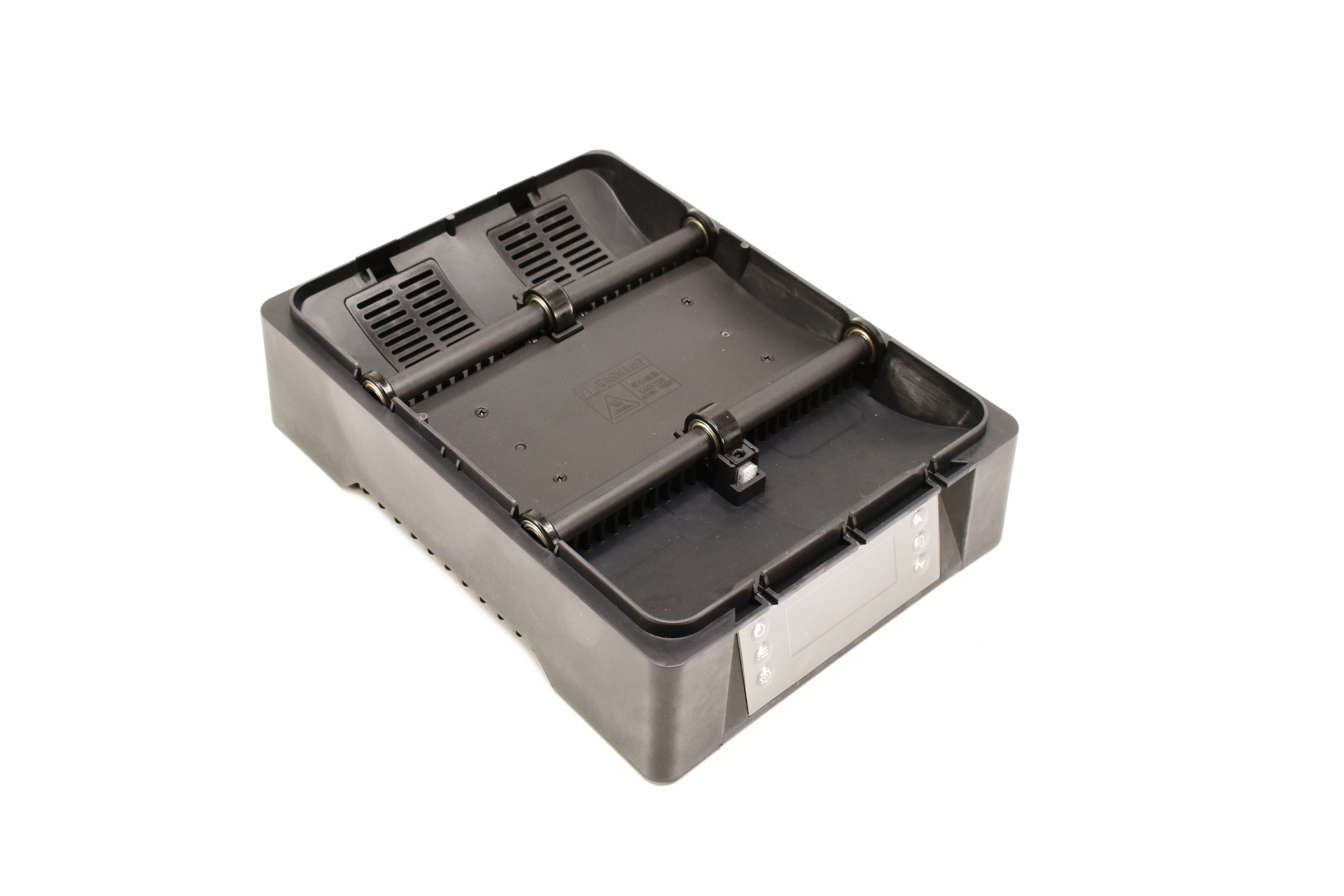
The main device measures 275mm in length, 205mm in width and 66mm in height.
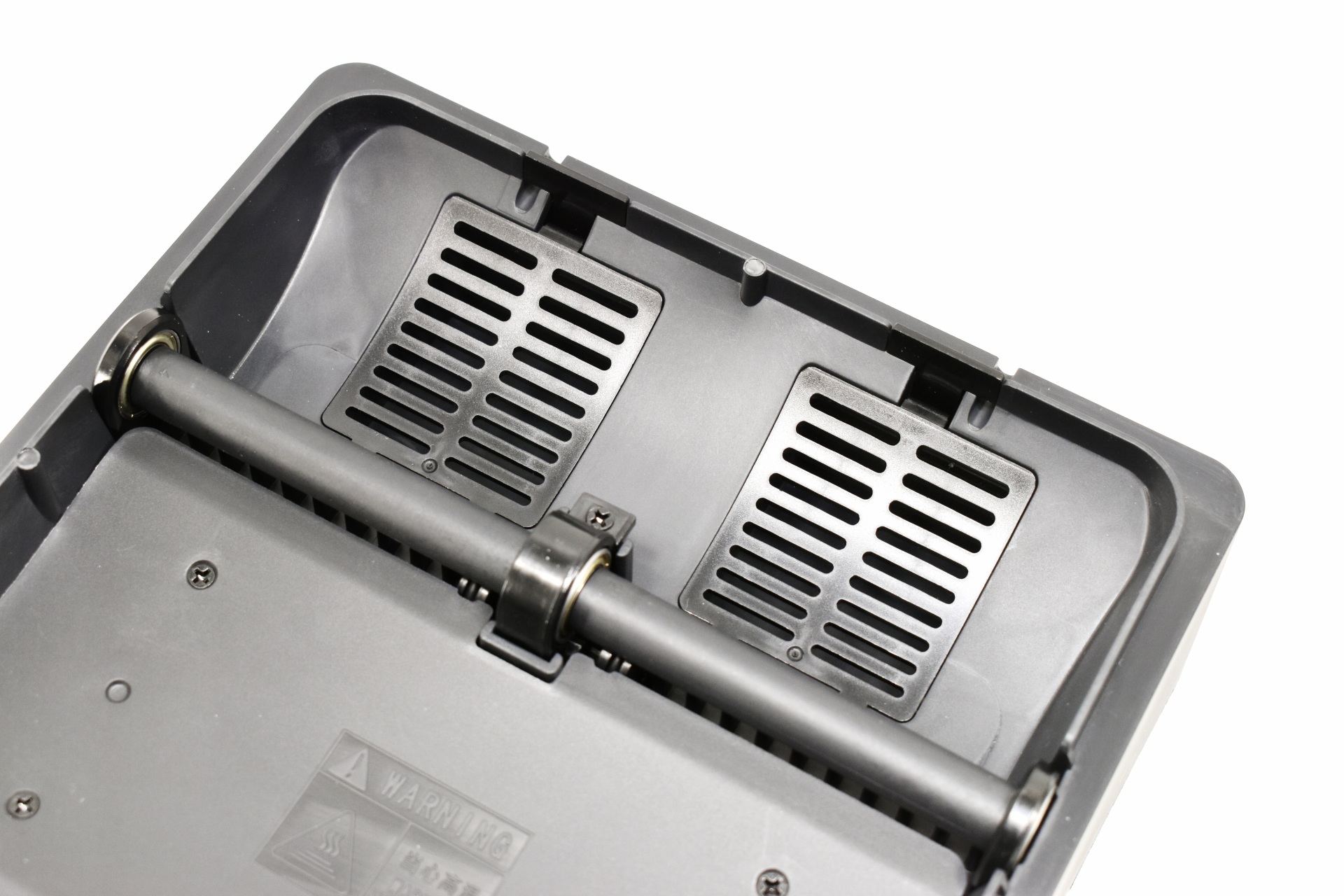
EIBOS has also placed two desiccant compartments into the POLYPHEMUS.
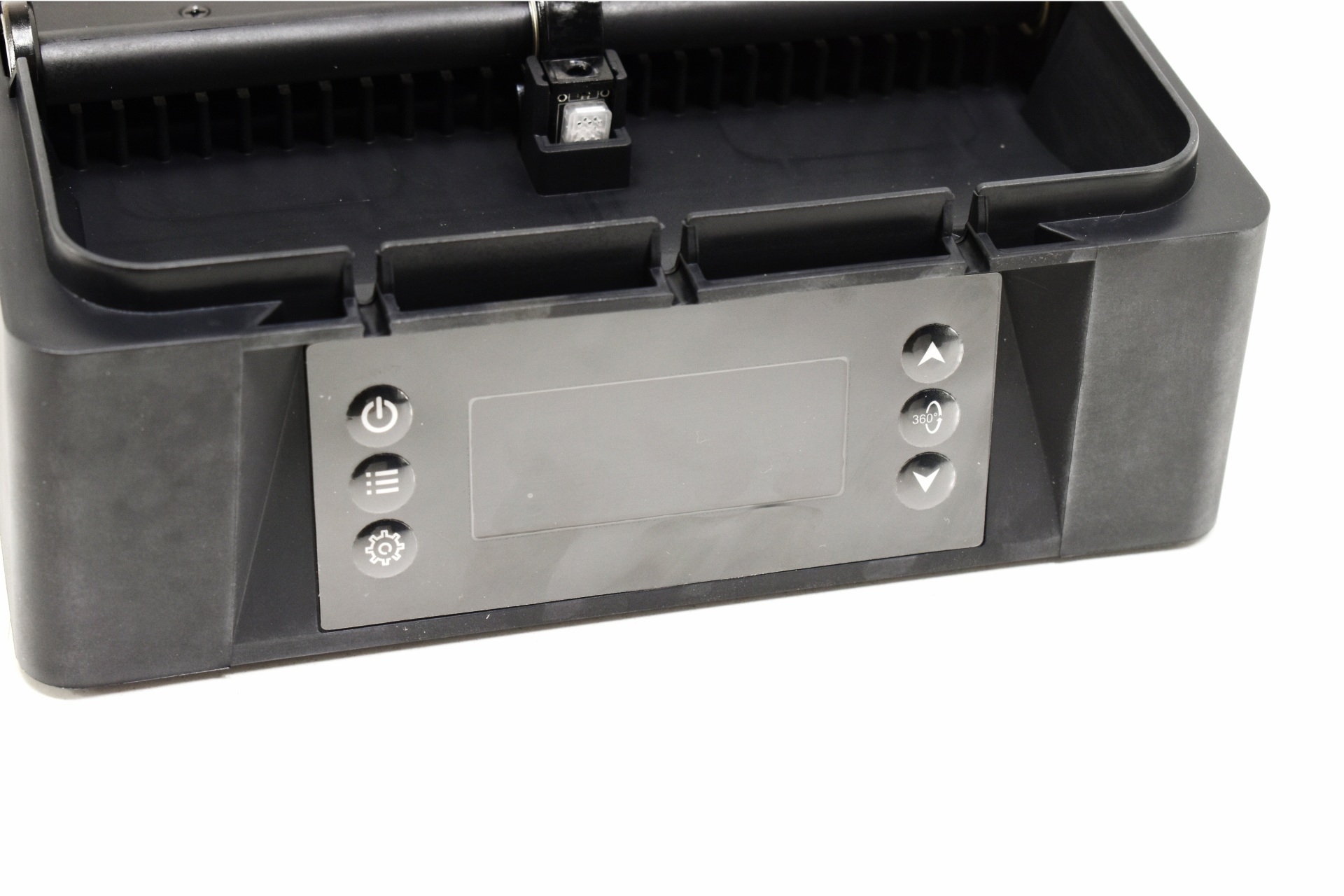
At the front we find an LCD screen along with 6 buttons from where you can control filament type, temperature, desired humidity and time.
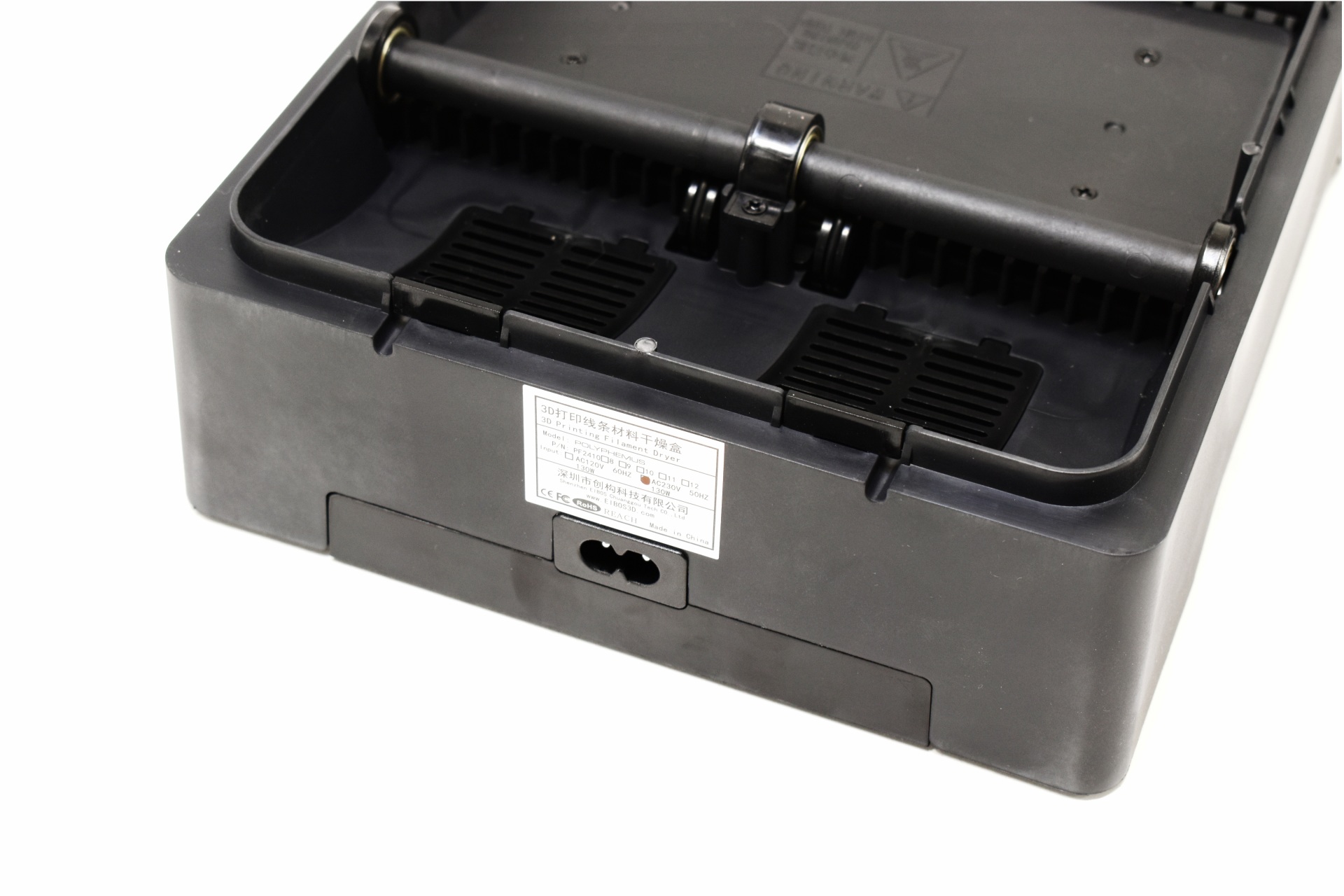
Turning the device around we find the power port and two feed ports from where you can directly route the filaments to your 3D printer.
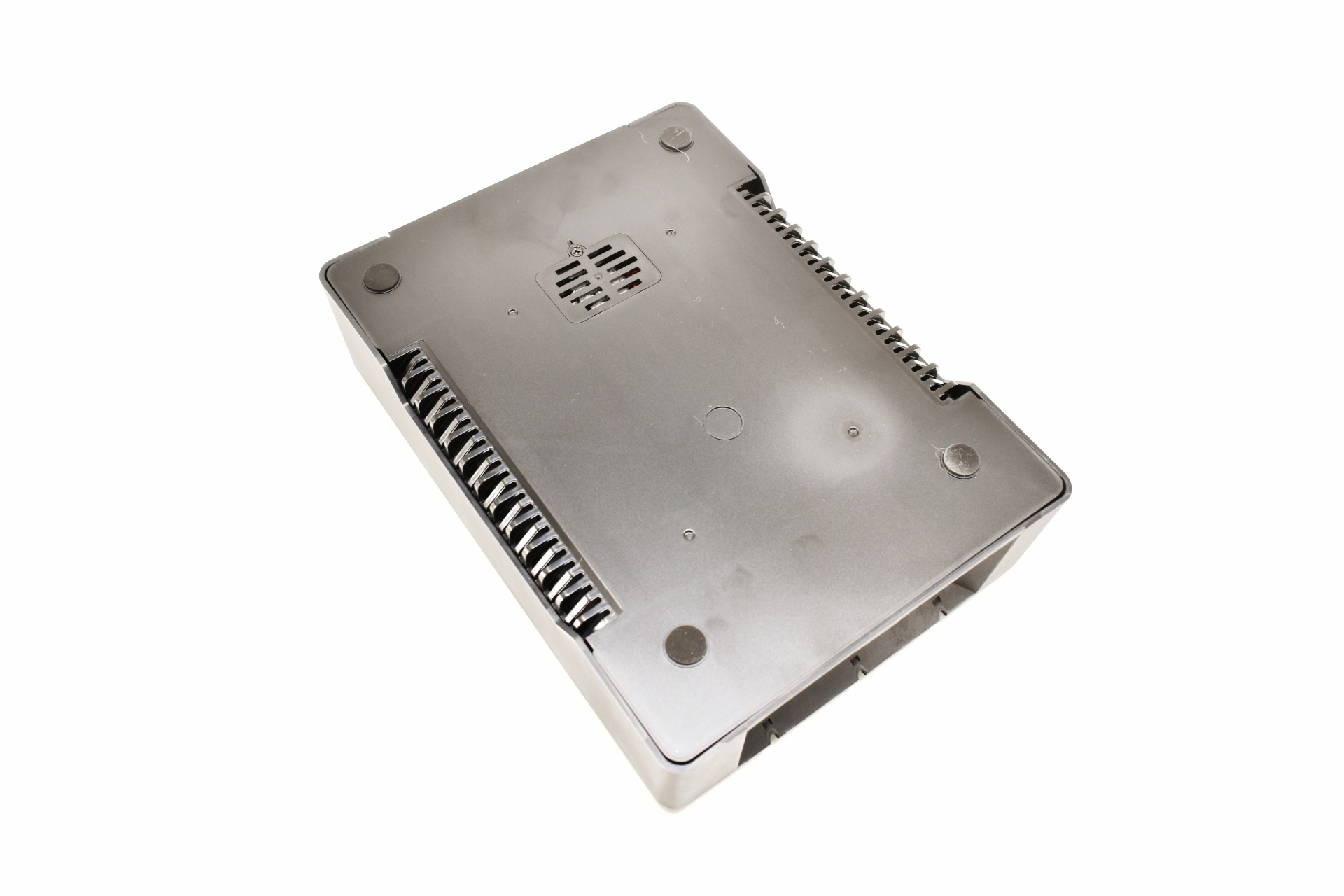
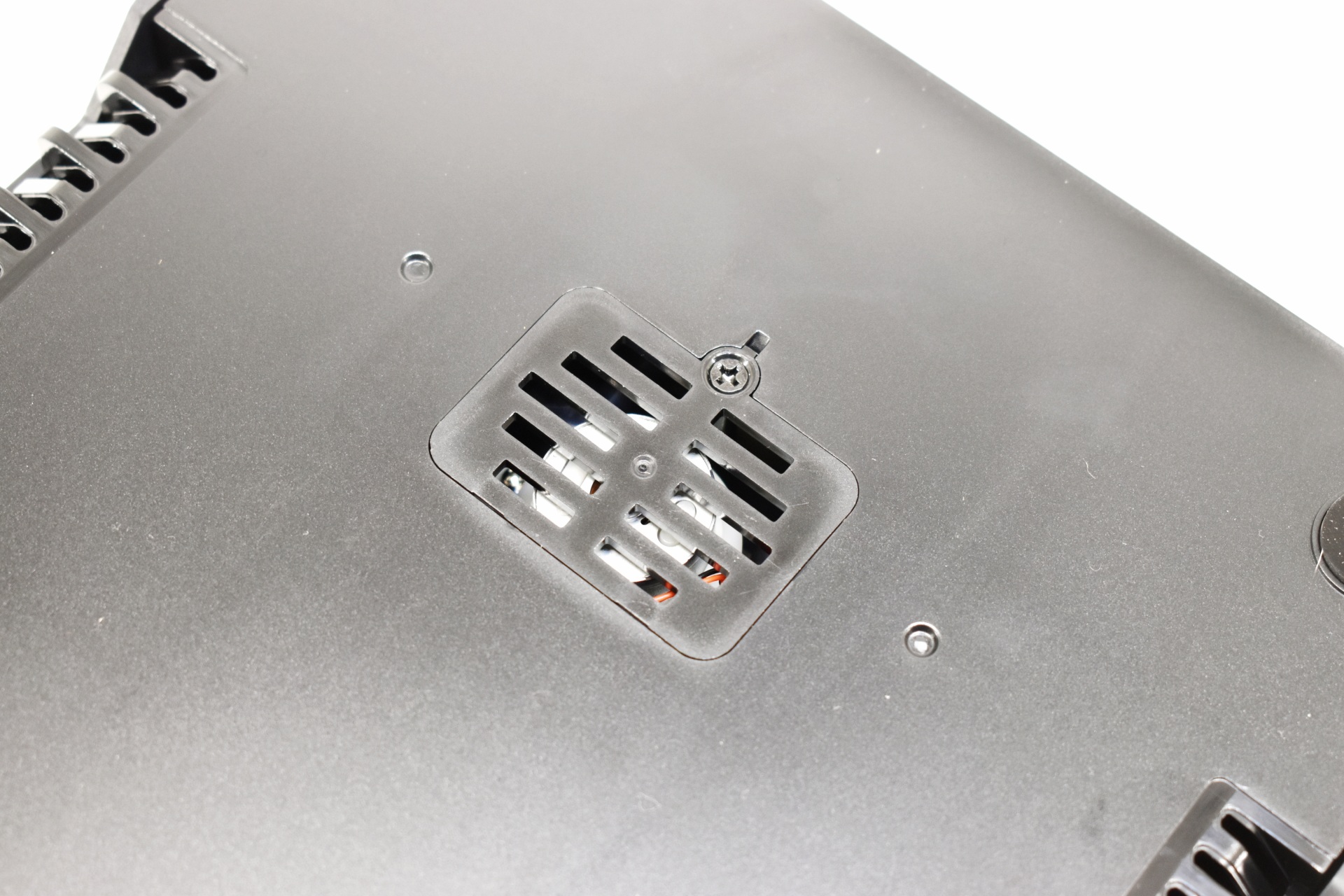
The POLYPHEMUS sits on 4 rubber feet and has a small compartment at its base from where you can replace the motor.
ASSEMBLY
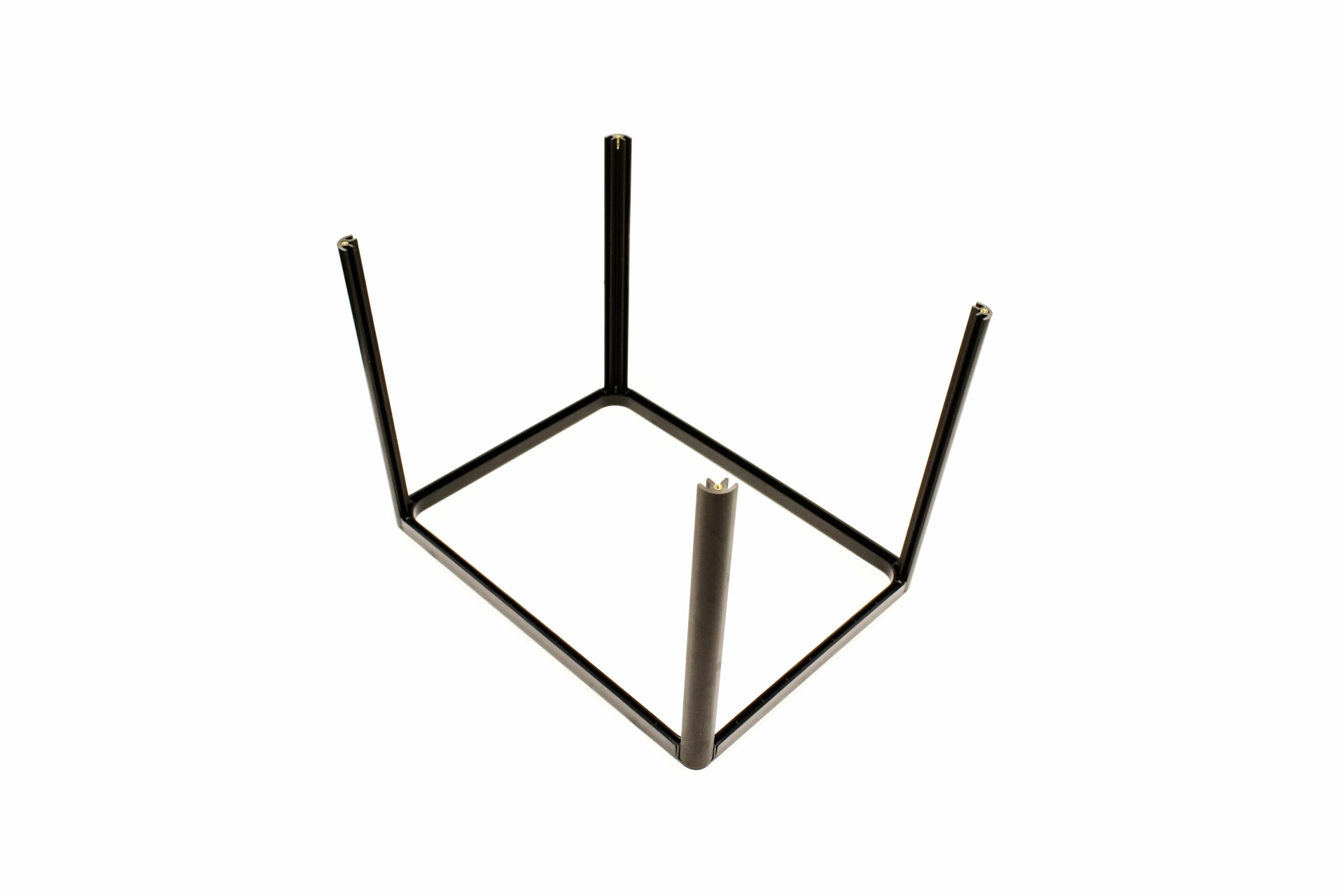
Setting up the POLYPHEMUS is easy, first attach the 4 lid-B frames to one of the lid-A frames.
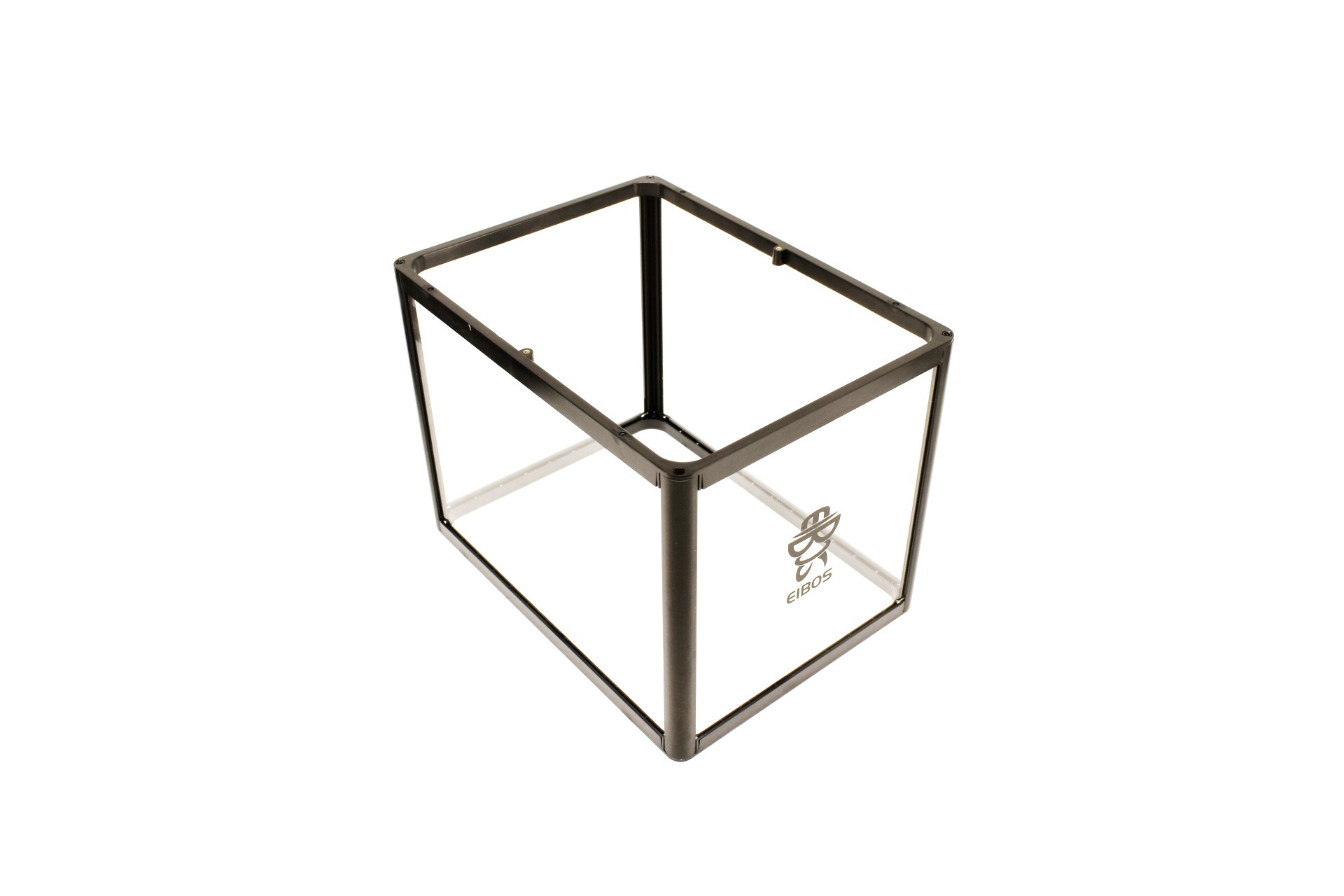
Then mount the 4 acrylic panels between the lid-B frames and place the 2nd lid-A frame on top (don't secure it yet).
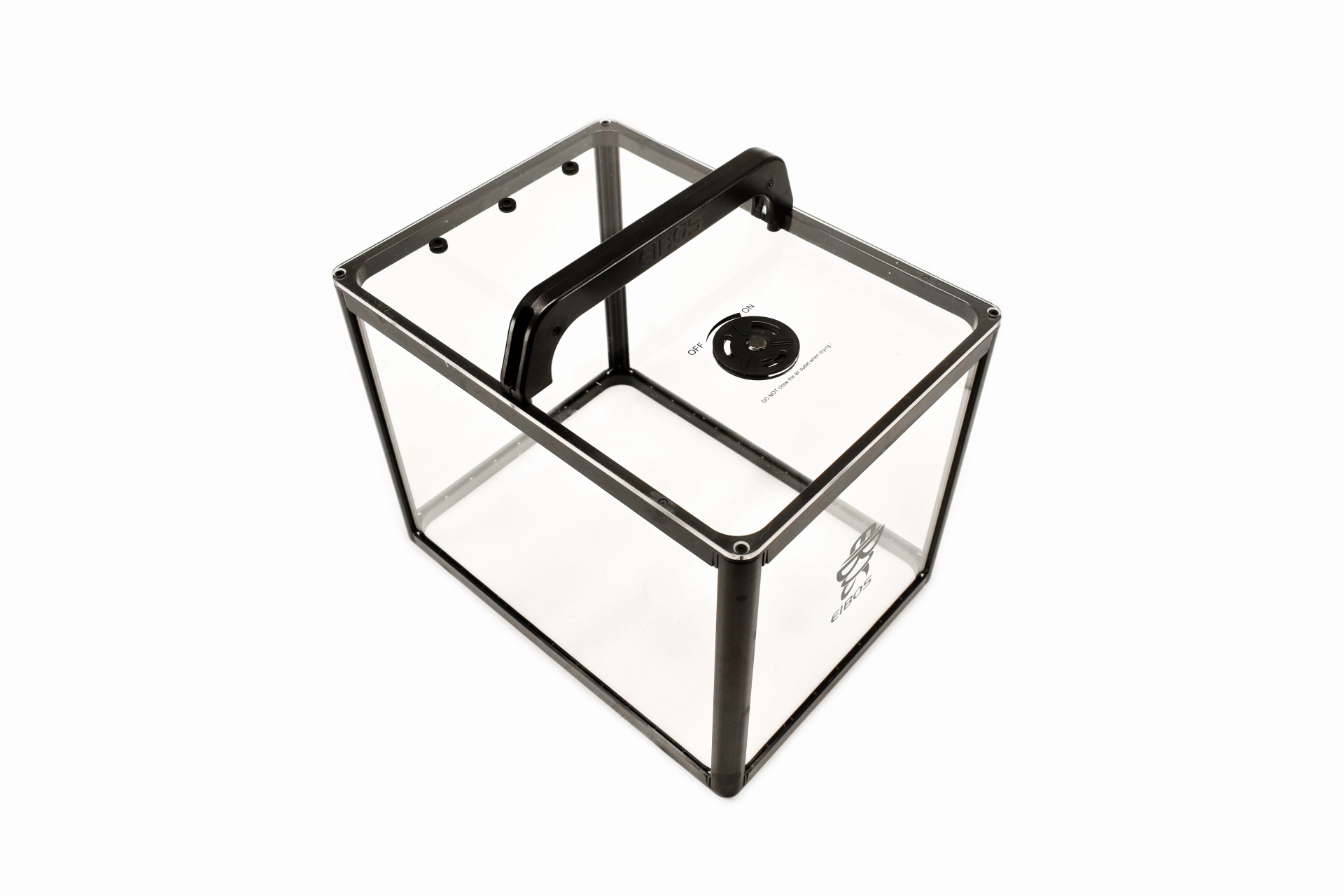
Then mount the top acrylic panel, secure it onto the lid-A frame and also mount the handle.
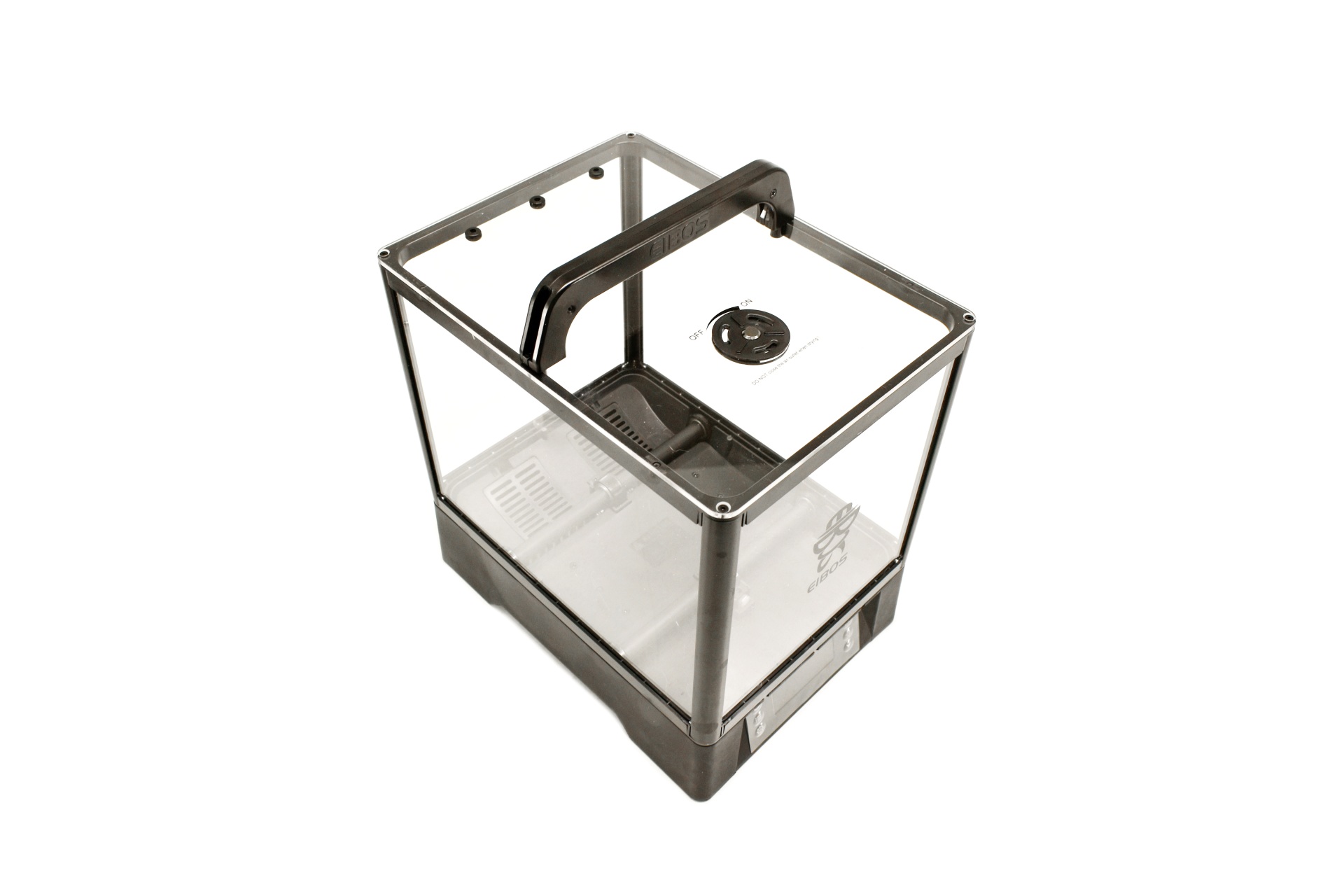
With the top attached the device now measures 275mm in length, 205mm in width and 317mm in height (274mm without the handle).
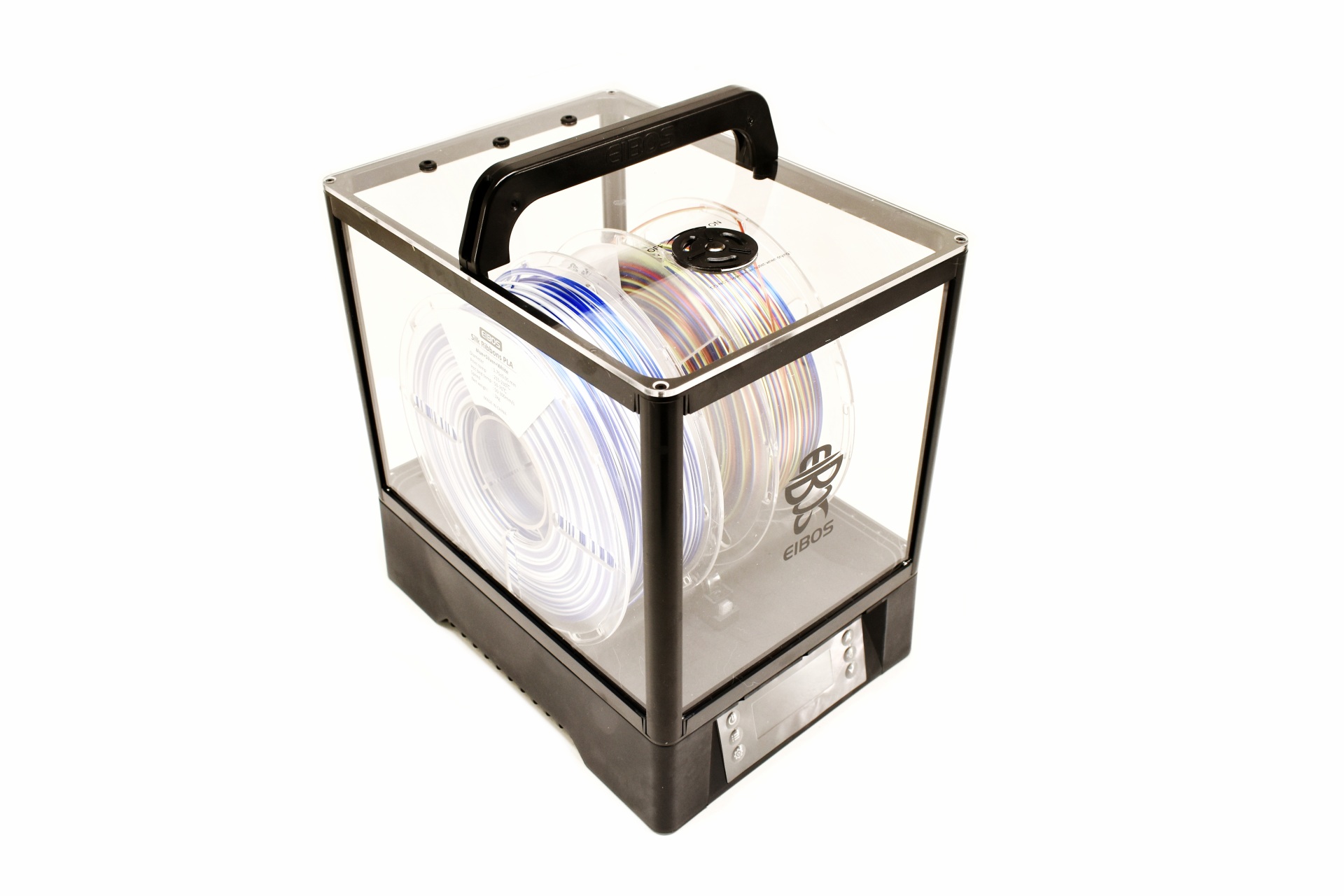
For my tests EIBOS provided me with two of their Silk Ribbons PLA filaments as seen above.
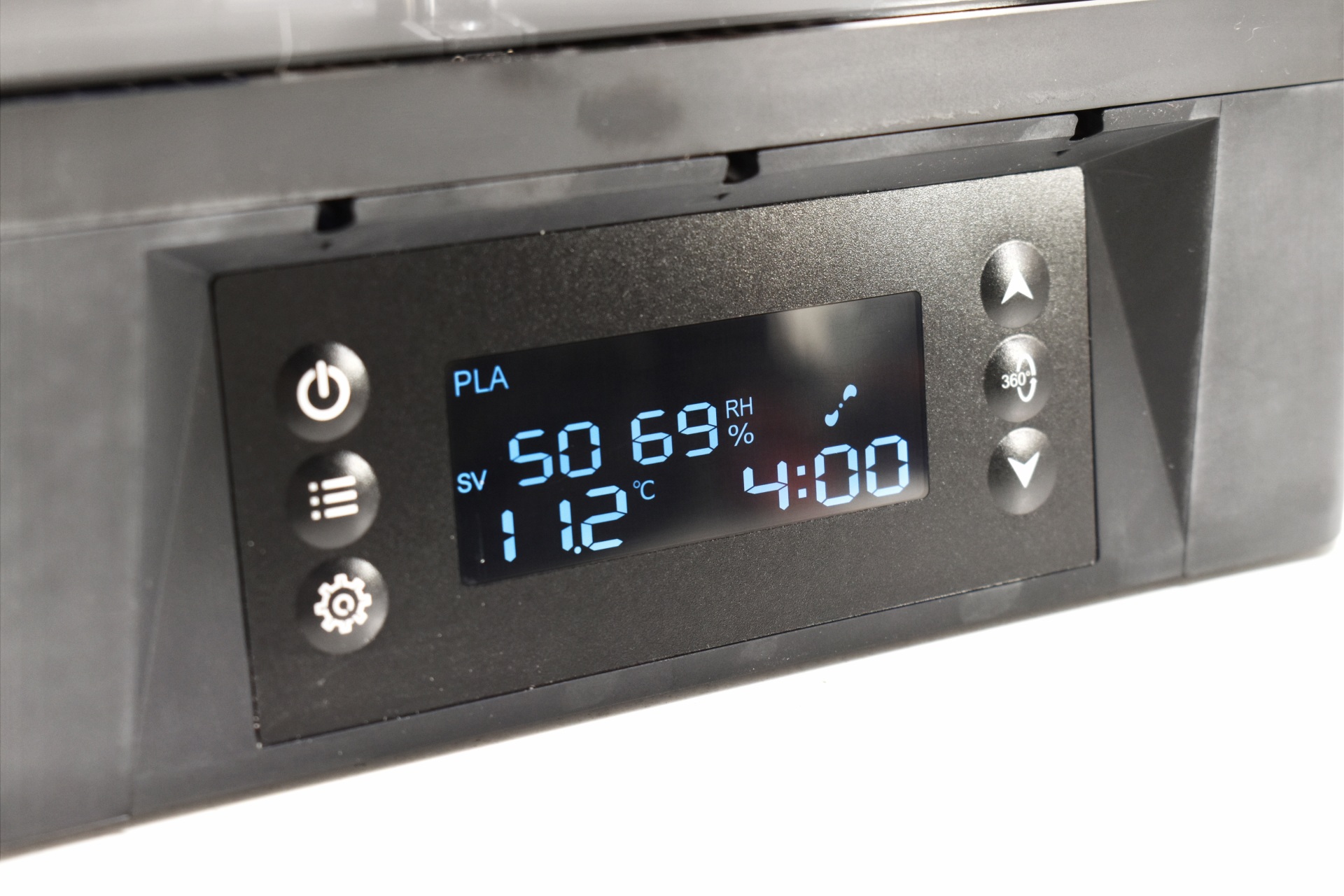
As you can all see the LCD screen displays time, humidity, temperature, device temperature and type of PLA.
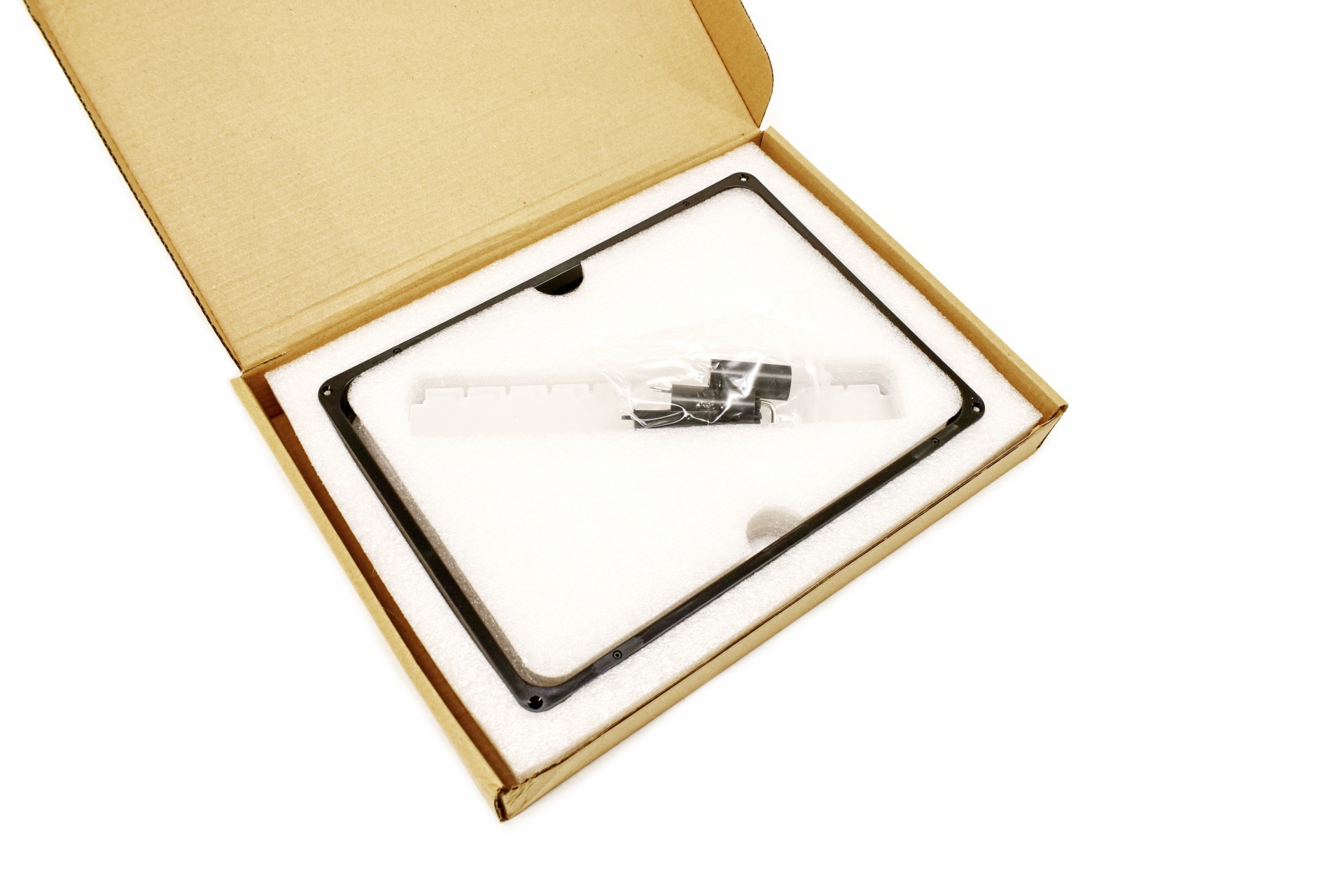
Again, worth pointing out is that for people using 3Kg filaments EIBOS has an extra kit available (they did send it over but I don't have any 3Kg filaments in the lab).
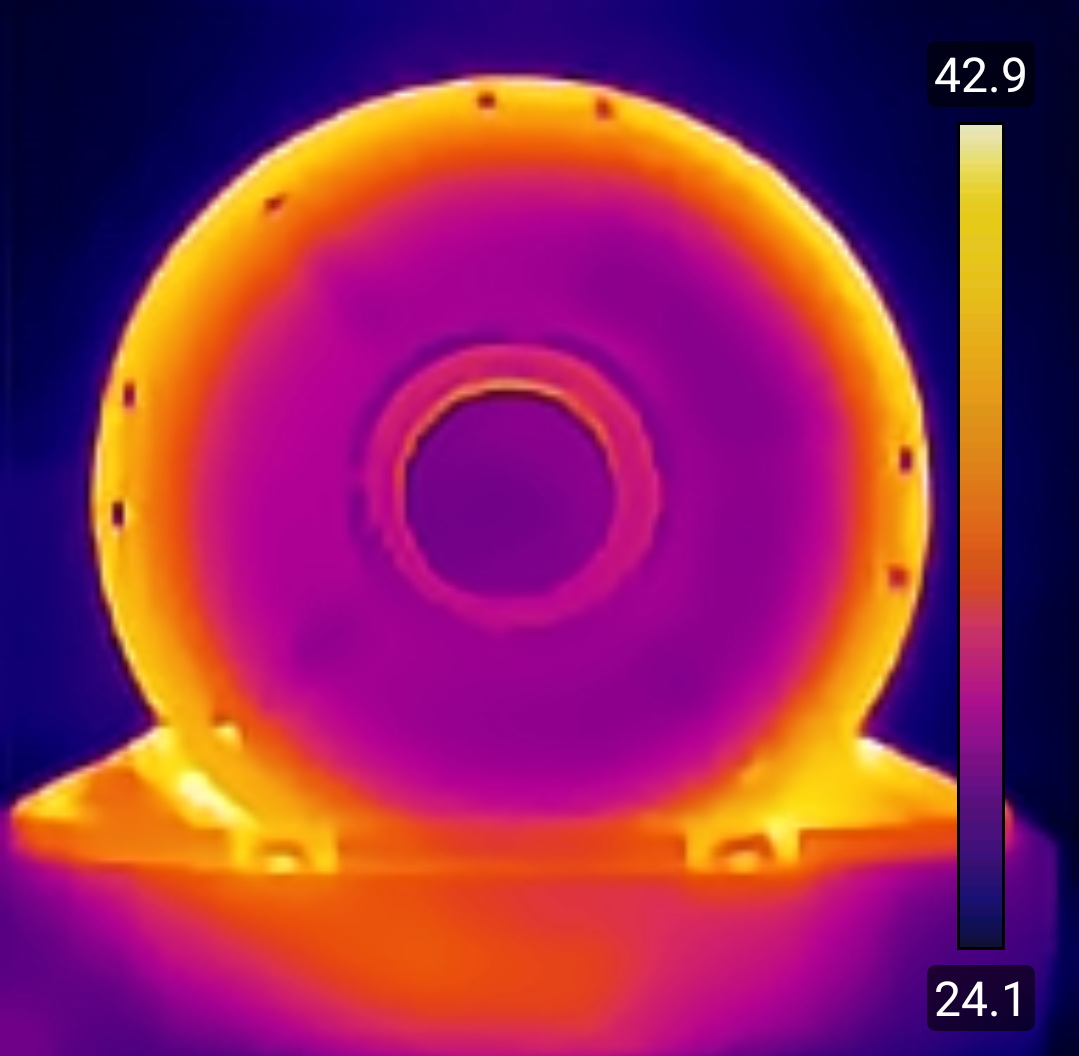
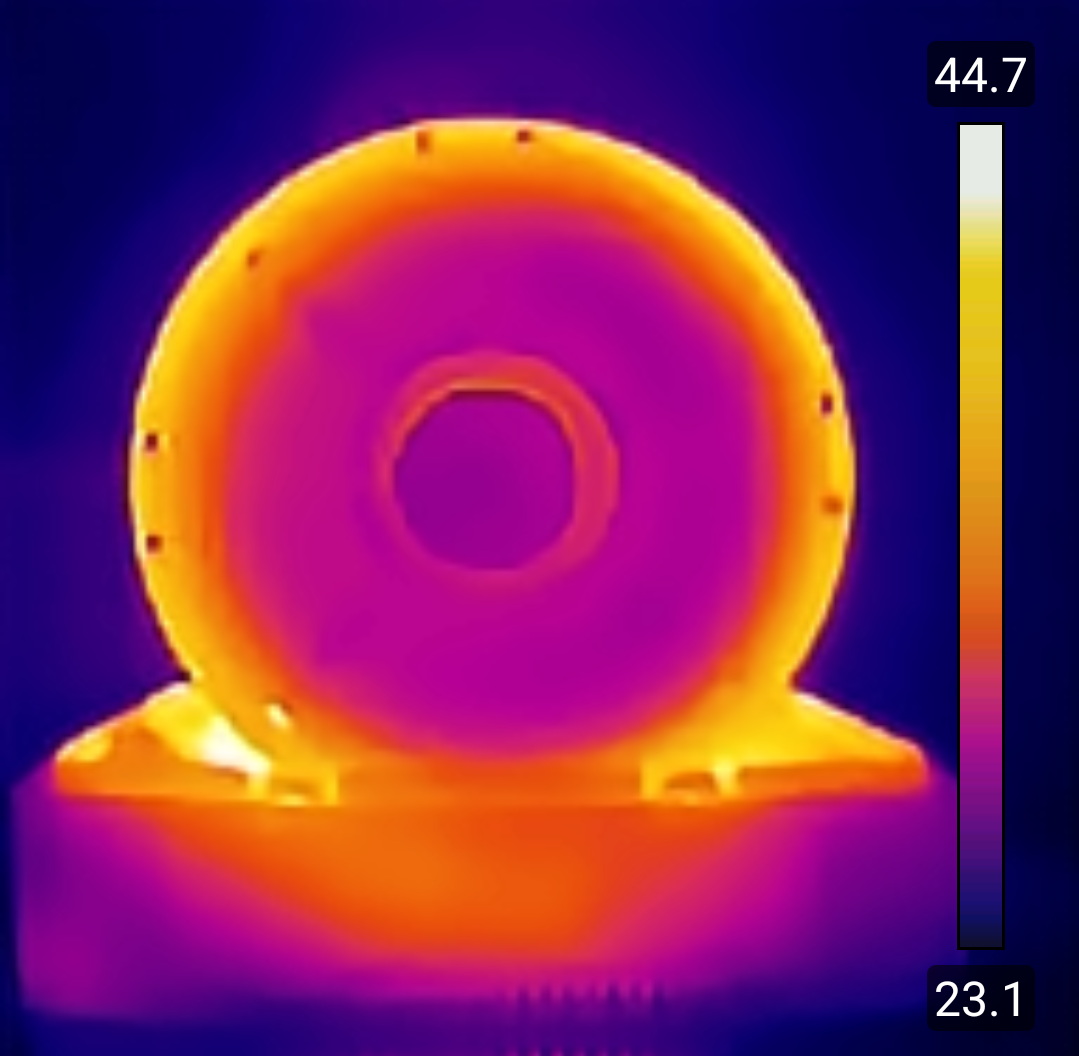
Using a thermal imager, I tested the POLYPHEMUS with and without the 360-degree feature and yes, I did notice slightly better results with it enabled.
CONCLUSION
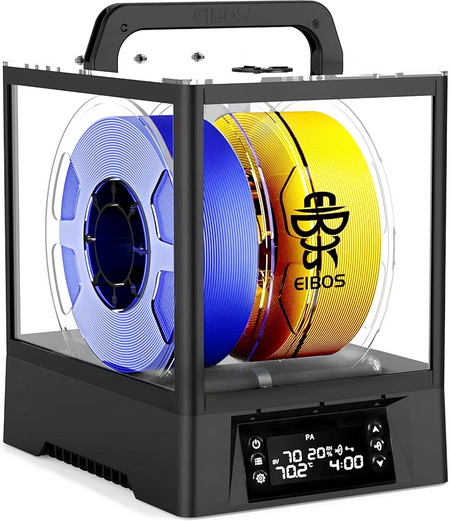
Looking at the EIBOS POLYPHEMUS from a performance‑driven perspective, it stands out as a dryer built to maintain stable conditions over long sessions rather than simply heating a spool and hoping for the best. Its controlled thermal system ramps up quickly, and the preset material modes give you predictable behavior across a wide range of filaments without constant manual tweaking. The rotating platform helps distribute warmth around the spool’s circumference, reducing the usual hot‑spot/cold‑spot imbalance that can show up in static dryers. For users who frequently work with moisture‑sensitive materials, especially engineering‑grade filaments the consistency it provides is genuinely useful. Where the POLYPHEMUS becomes more versatile is in its ability to scale. With the optional expansion kit, it can house 3kg filaments, which opens the door for long‑form printing, multi‑day jobs, or large‑format machines that rely on oversized filament rolls. The dual rear feed ports also make it easy to integrate the dryer directly into your printing workflow, letting you run filament straight from the chamber without constantly relocating spools. Combined with its internal sensors and steady temperature regulation, the device behaves more like a controlled environment than a simple heater box. Its drawbacks are practical rather than conceptual. The power draw above 100W during active heating is something to keep in mind if you run extended drying cycles or operate multiple units. The rotating system does improve uniformity, but the real‑world gain is incremental, not a dramatic leap over simpler designs (although once again, my thermal imaging devices may not be as accurate as the ones used by the people over at EIBOS). And because the chamber is sized to accommodate larger spools and a rotating base, the unit occupies a noticeable amount of workspace, which may matter in compact setups. Even with these considerations, the POLYPHEMUS presents itself as a solid, dependable drying solution.
As I type these lines the POLYPHEMUS filament dryer by EIBOS retails for USD139.19 inside the USA (Amazon.com) and for 125.03Euros inside the EU (Amazon.de) and so it’s priced well for what it does. At the end of the day the POLYPHEMUS does exactly what it was designed to do, it effectively dries and keeps your filaments dry regardless of type and that’s why it gets the Golden Award.

PROS
- Fast 360 Degree Drying
- LCD Screen
- Adjustable Time, Humidity & Temperature
- Filament Support (9 Types Plus 3 Custom)
- Extra Motor & Roller
- 3Kg Filament Support Kit Available (Extra)
CONS
- Overall Size
- Power Consumption (For Some)