



INTRODUCTION
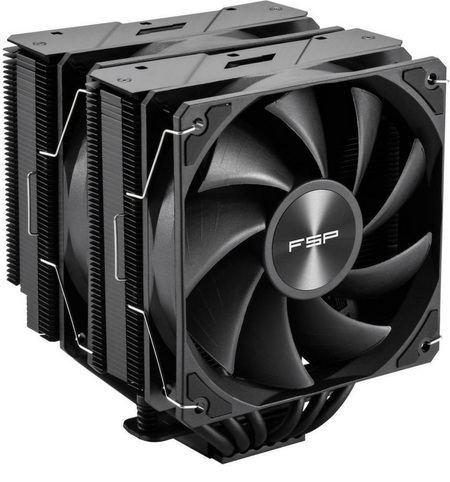
PC cooling usually comes down to two camps: classic air coolers built around big heatsinks and steady airflow, and liquid coolers that lean on pumps and radiators to keep temperatures in check during heavier loads. Both approaches have matured enough that the choice often depends more on maintenance, noise, and personal preference than raw performance. FSP’s MP7 Black steps into that middle ground with an air‑tower design that aims to deliver the reliability people expect from air cooling.
FSP Group is one of the global leading power supply manufacturers. Since its establishment in 1993, FSP Group has followed the management conception “service, profession, and innovation” to continuously fulfil its responsibilities as a green energy resolution supplier. With the combination of its leading role in power supply technology and the cultivation of green energy field, FSP Group now provides more competitive quality products and makes itself the most reliable partner for customers, consumers, and suppliers with joint creation of maximized values.
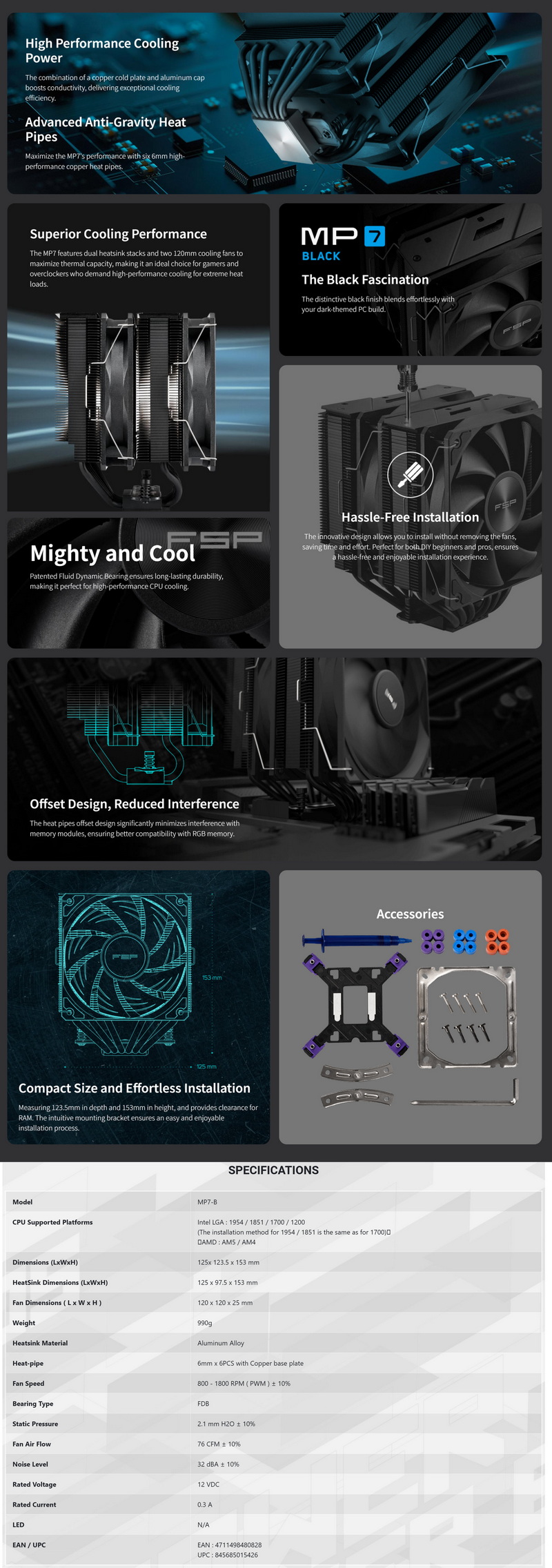
The FSP MP7 Black comes loaded with the kind of specs that give an air tower real headroom. It uses a dual‑tower layout paired with six 6mm thick copper heat pipes to move heat quickly away from the CPU, backed by two 120 mm FDB fans designed for long‑term durability and steady airflow. The cooler measures 125x123.5x153mm, making it a solid fit for most mid‑tower builds while still offering serious thermal mass. FSP’s design leans on a copper cold plate with an aluminum cap to improve conductivity, and the mounting system supports all the latest sockets, including LGA 1954/1851/1700/1200 and AM4/AM5. Noise levels sit around 32dB, and depending on the model, users can opt for either a quiet PWM setup or an ARGB‑equipped variant for lighting control.
SPECIFICATIONS AND FEATURES
PACKAGING AND CONTENTS
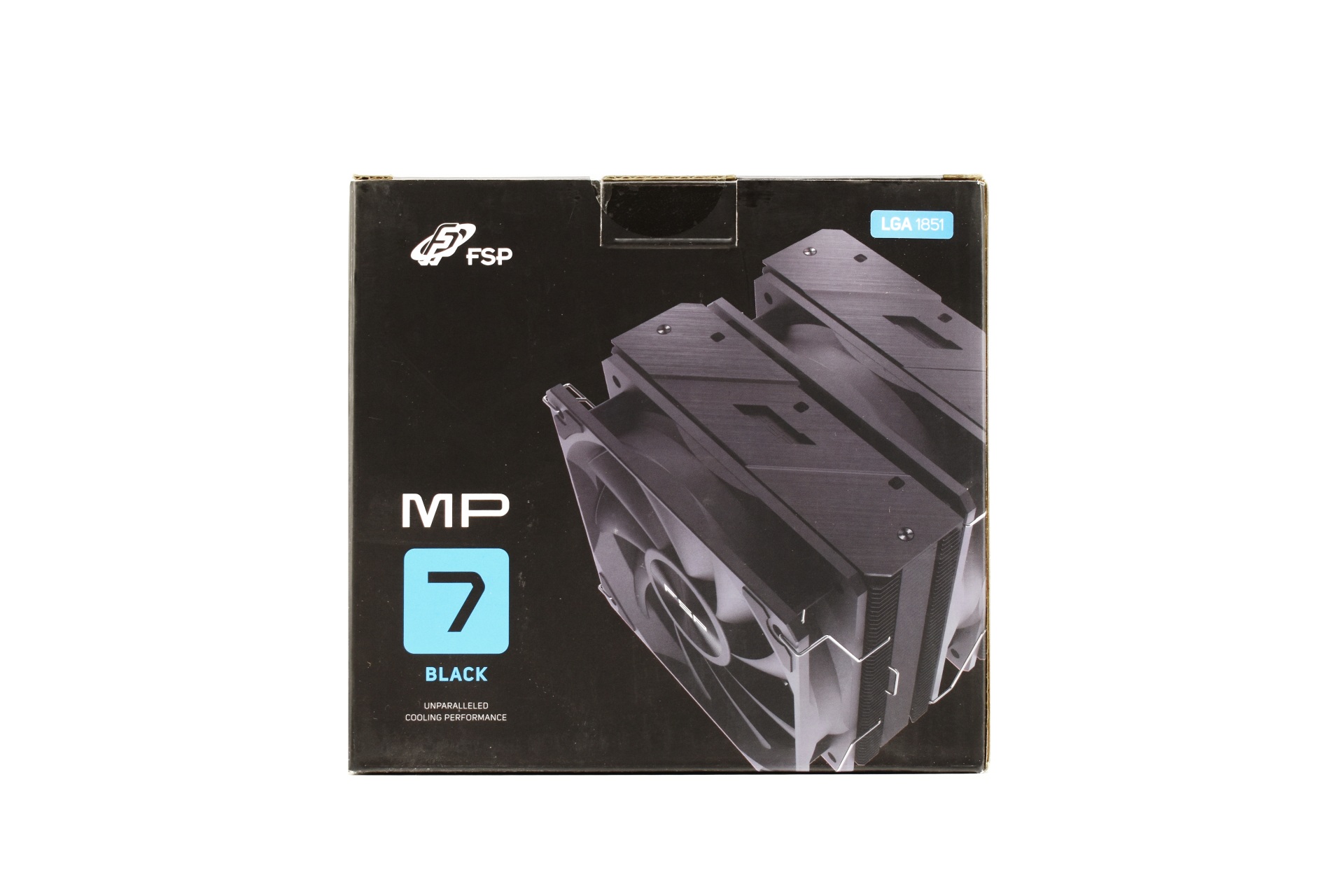
FSP uses a black box to ship their MP7 Black model the front of which has a partial product picture, their logo and the model name.
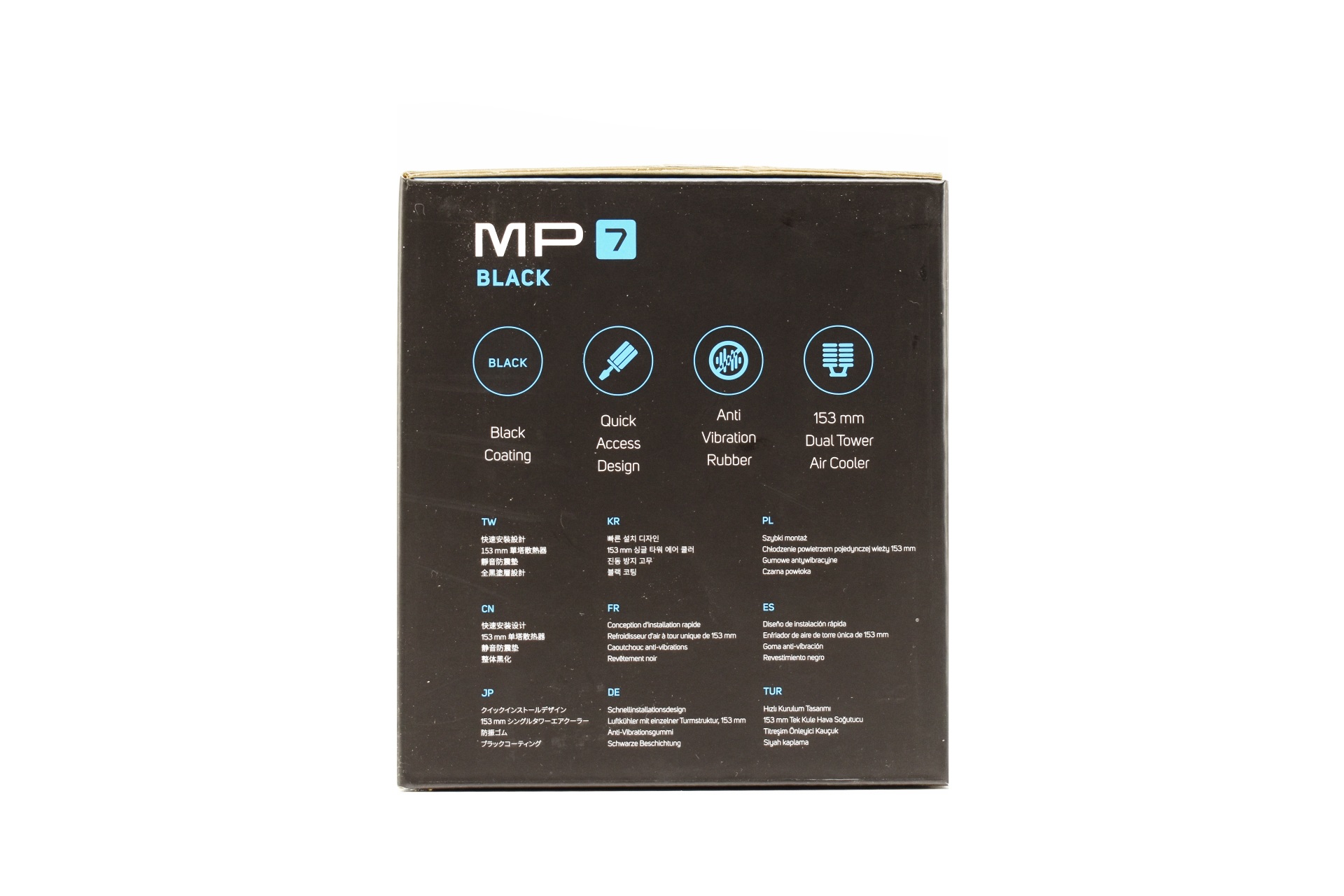
The main product features are printed on the left side in 10 languages.
On the right side FSP points consumer to their website in 35 languages.
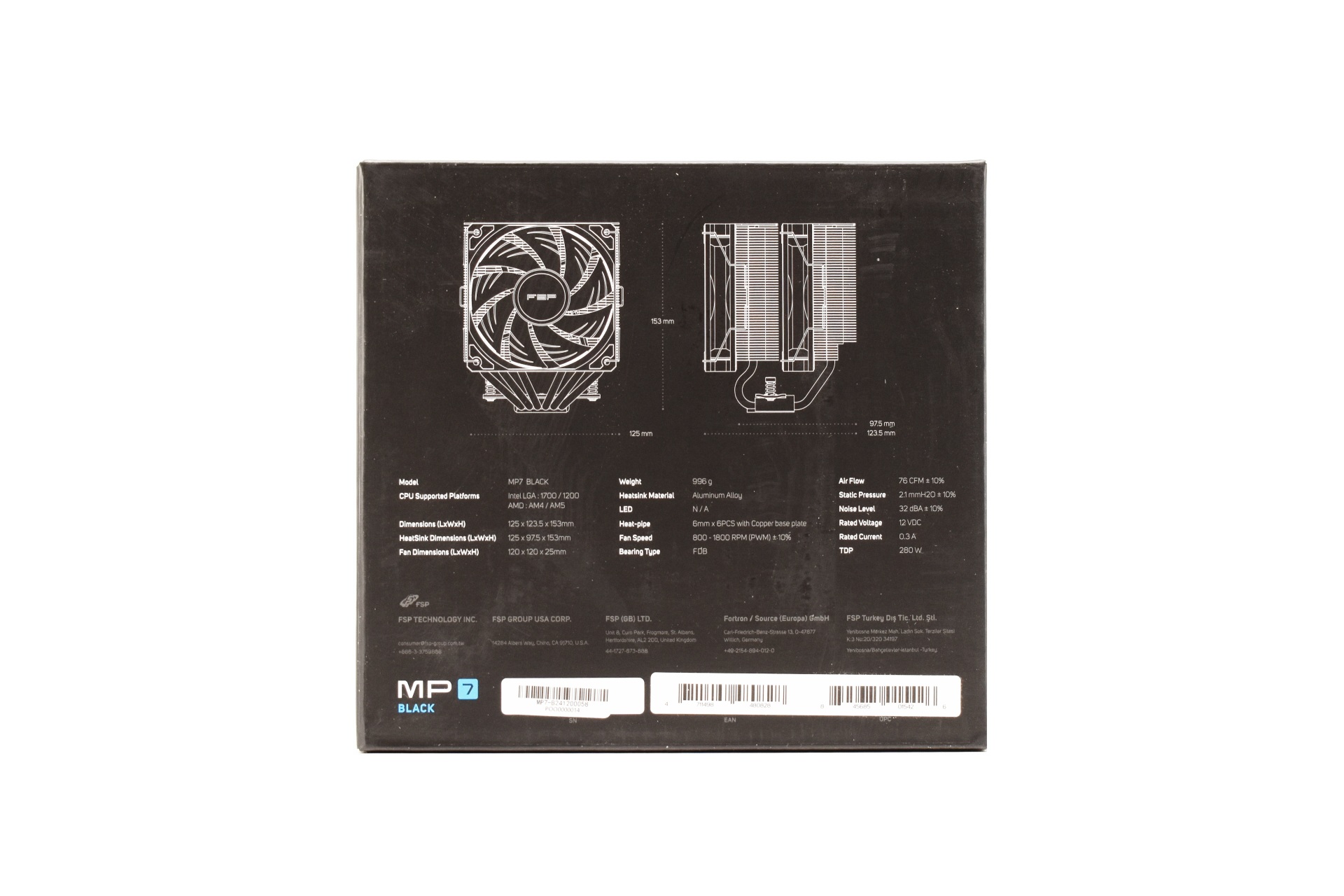
Two product drawings and the product specifications are located at the rear of the box.
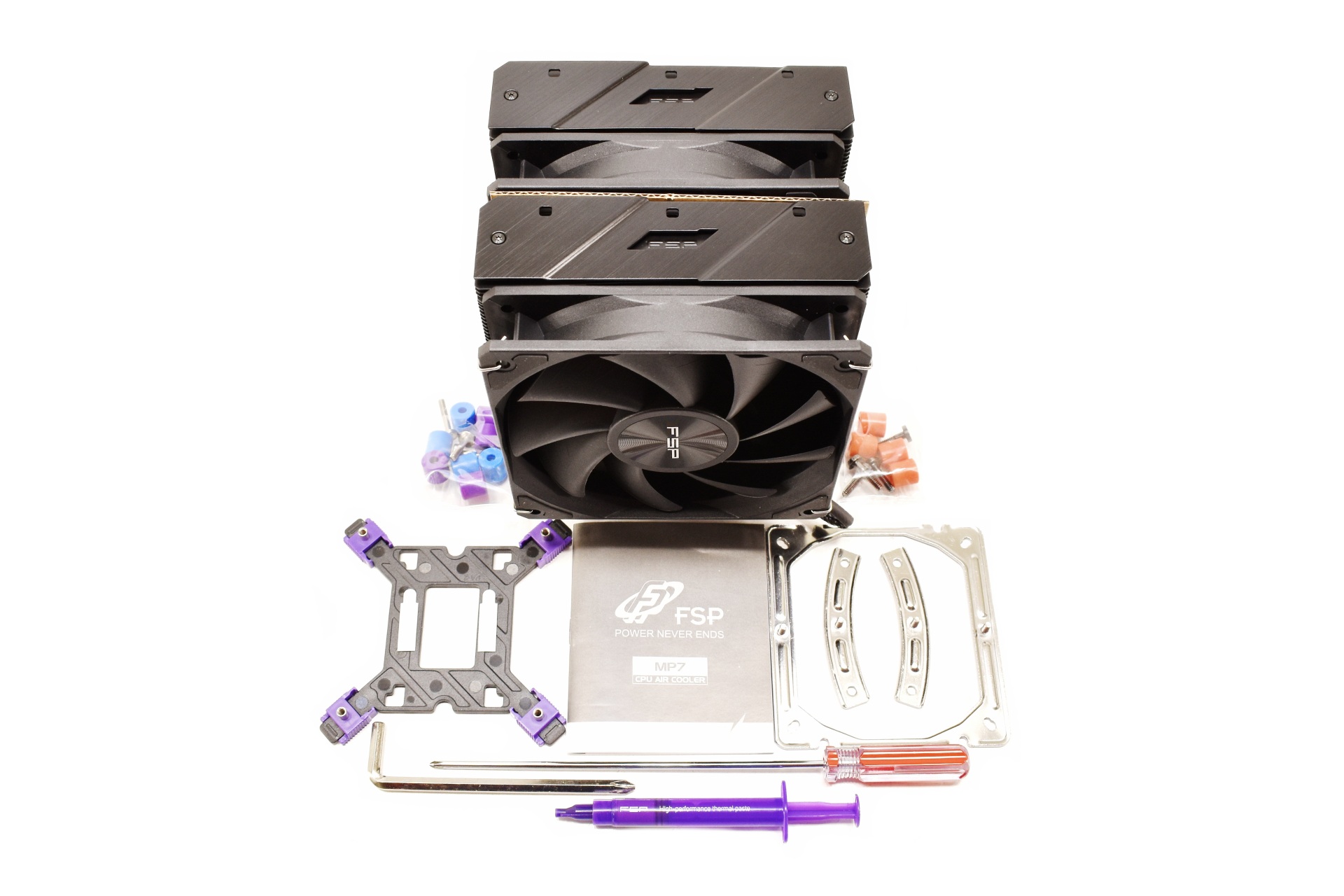
Alongside the MP7 Black inside the box you'll also find a long screwdriver, thermal paste tube, Allen key/screwdriver, backplate, quick start guide and all the bits and pieces required to mount the MP7 on Intel LGA 1200/1700/1851/1954 and AMD AM4/AM5 motherboards.
THE MP7 BLACK
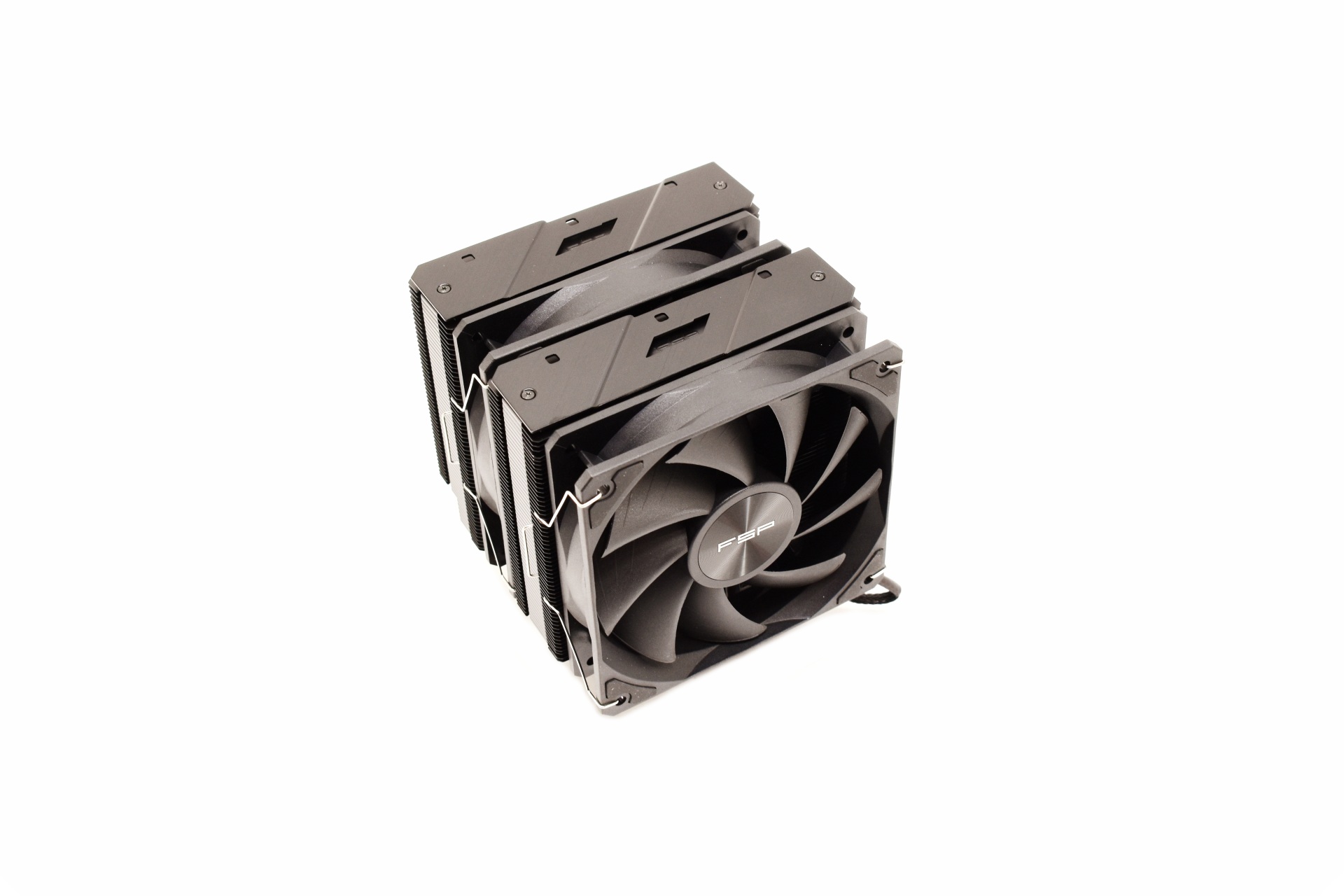
With both fans installed the MP7 weighs 990g and measures 153mm in length, 125mm in height and 123.5mm in width.
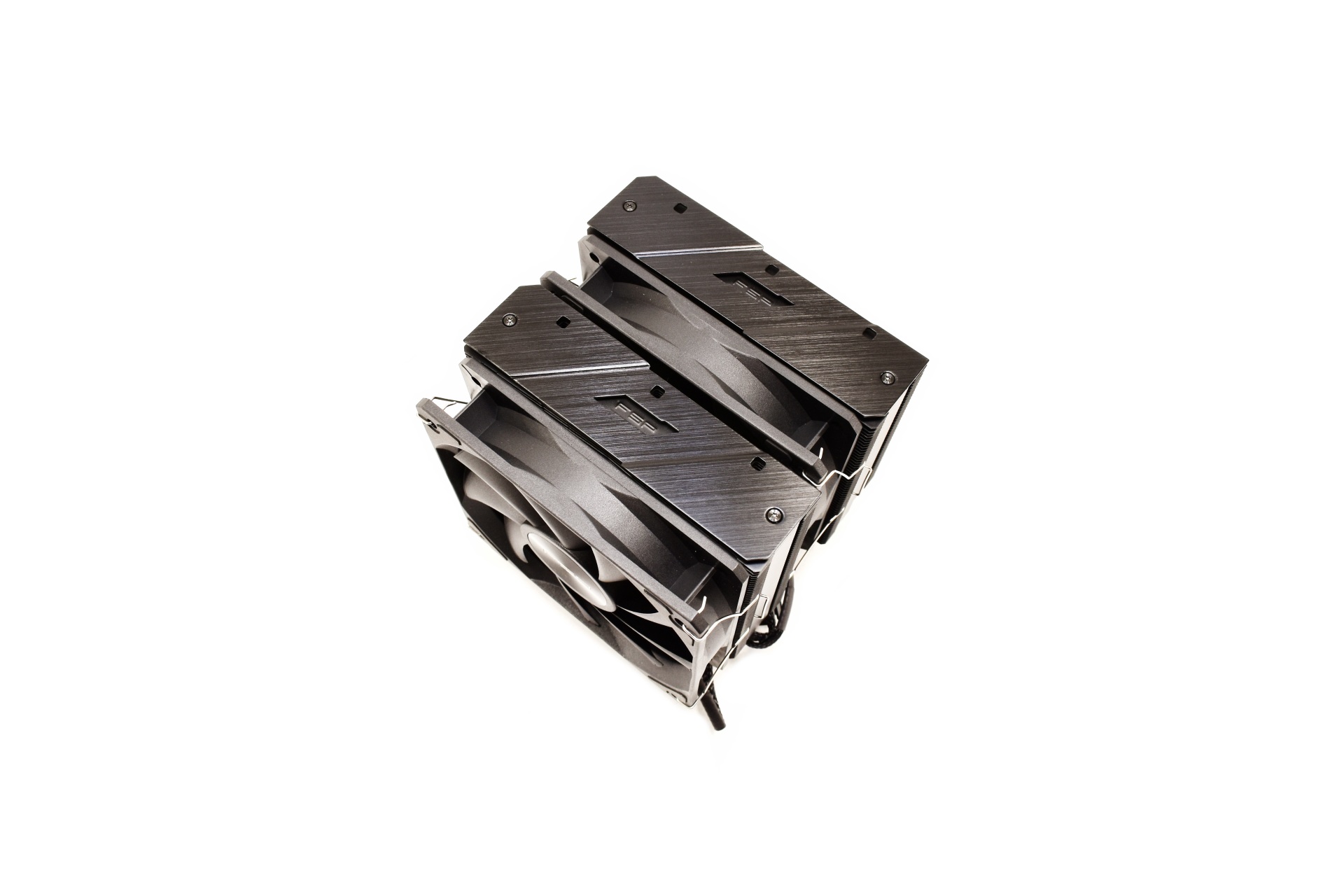
At the top FSP has placed brushed aluminum with openings from where you can see their logo placed on the top aluminum fins.
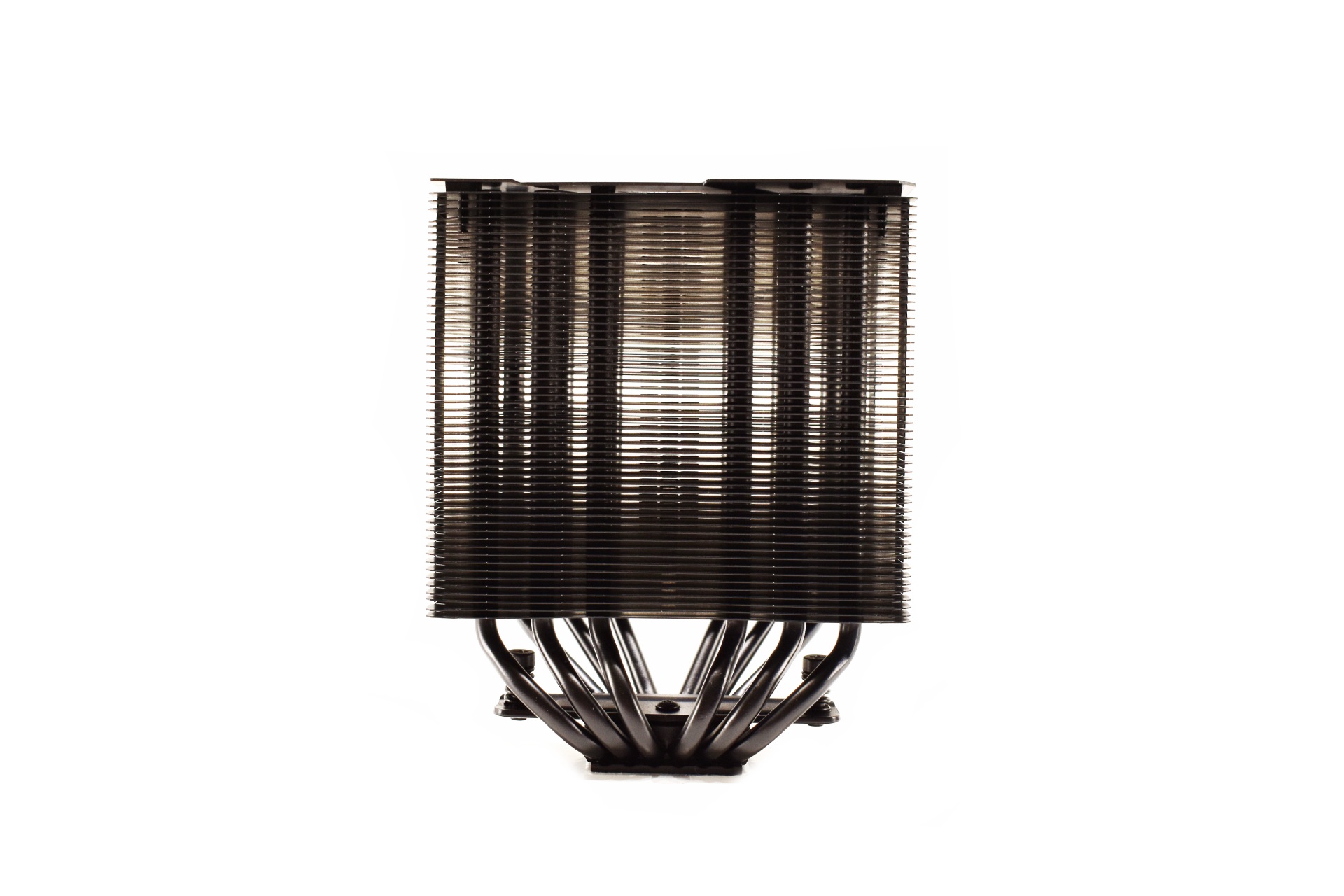
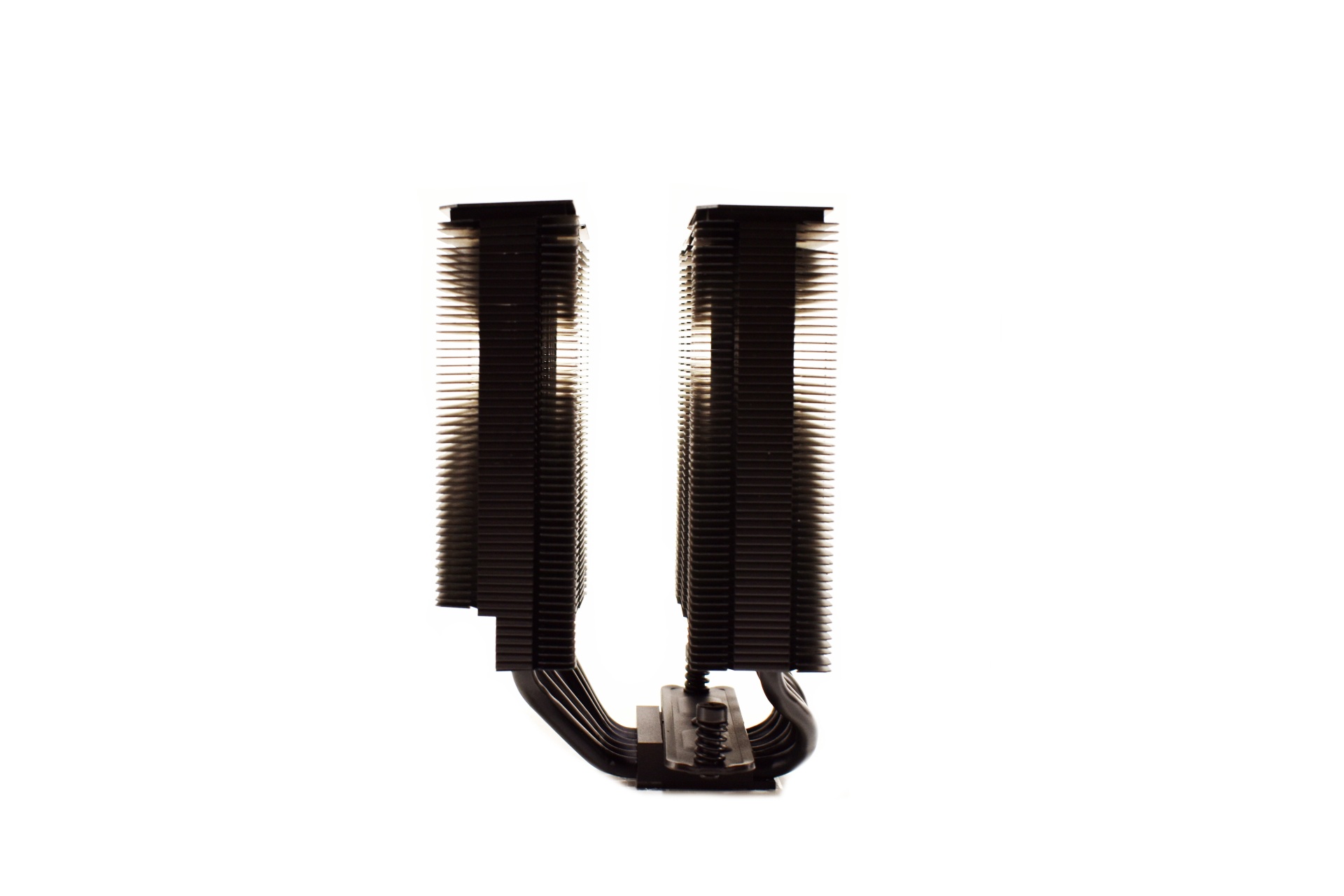 Each of the two towers features a total of 54 aluminum fins partially closed on the sides to improve airflow.
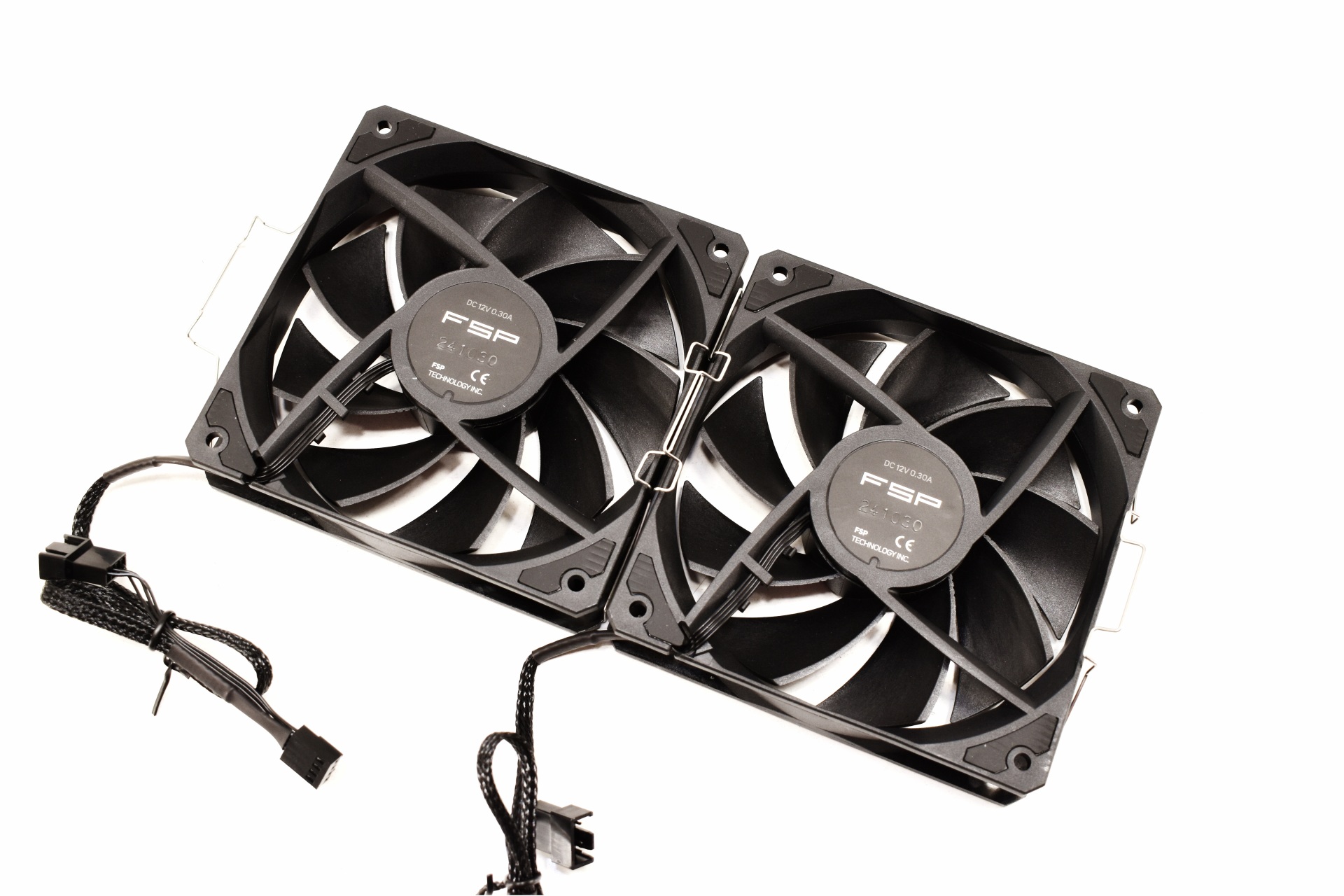
According to FSP the two 120mm fluid-dynamic bearing fans can reach speeds of up to 1800RPM to produce airflow levels of up to 76CFM with up to 2.1mmH2O static pressure and 32dBA noise.
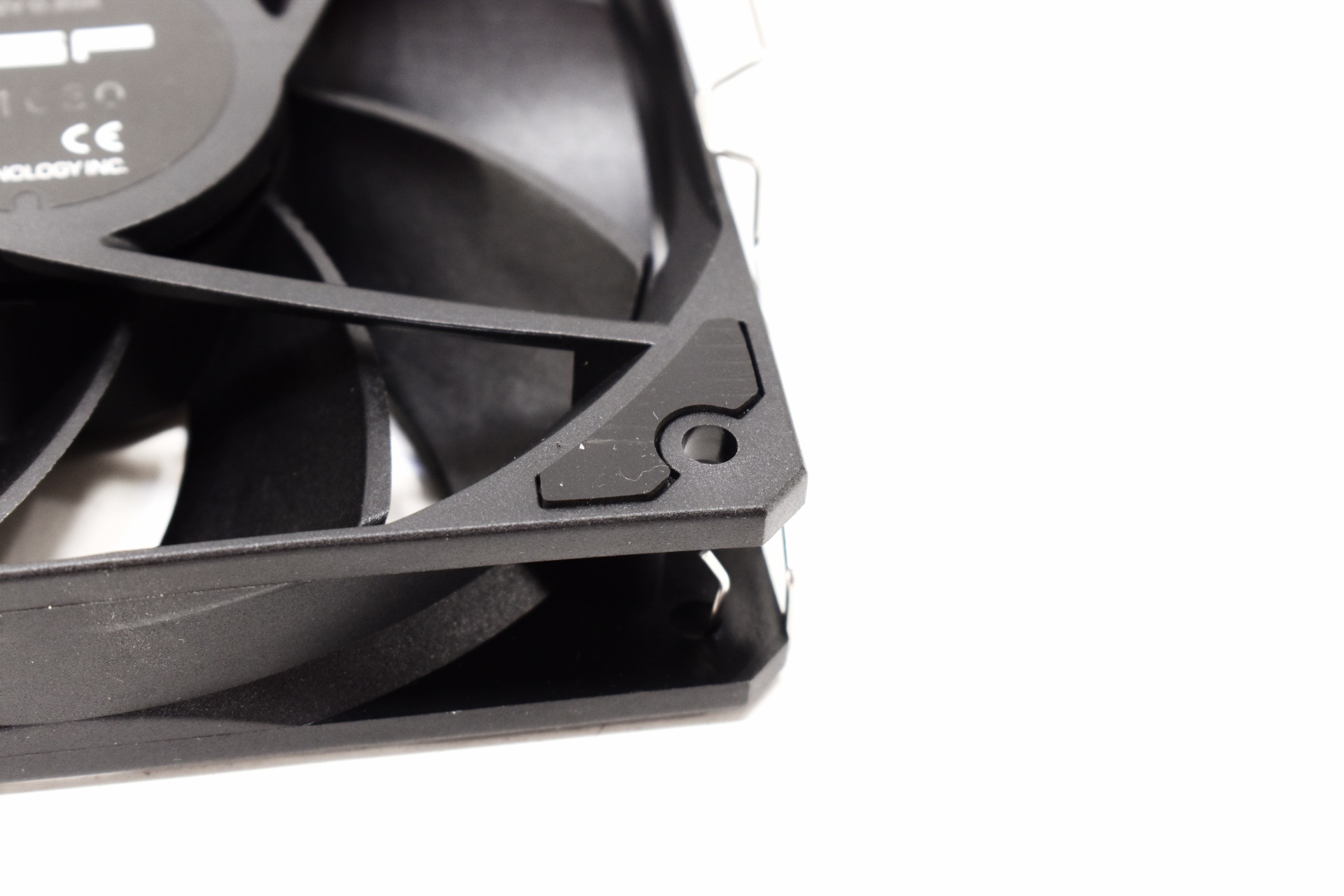
Typically, both fans have rubber pads on all 4 corners.
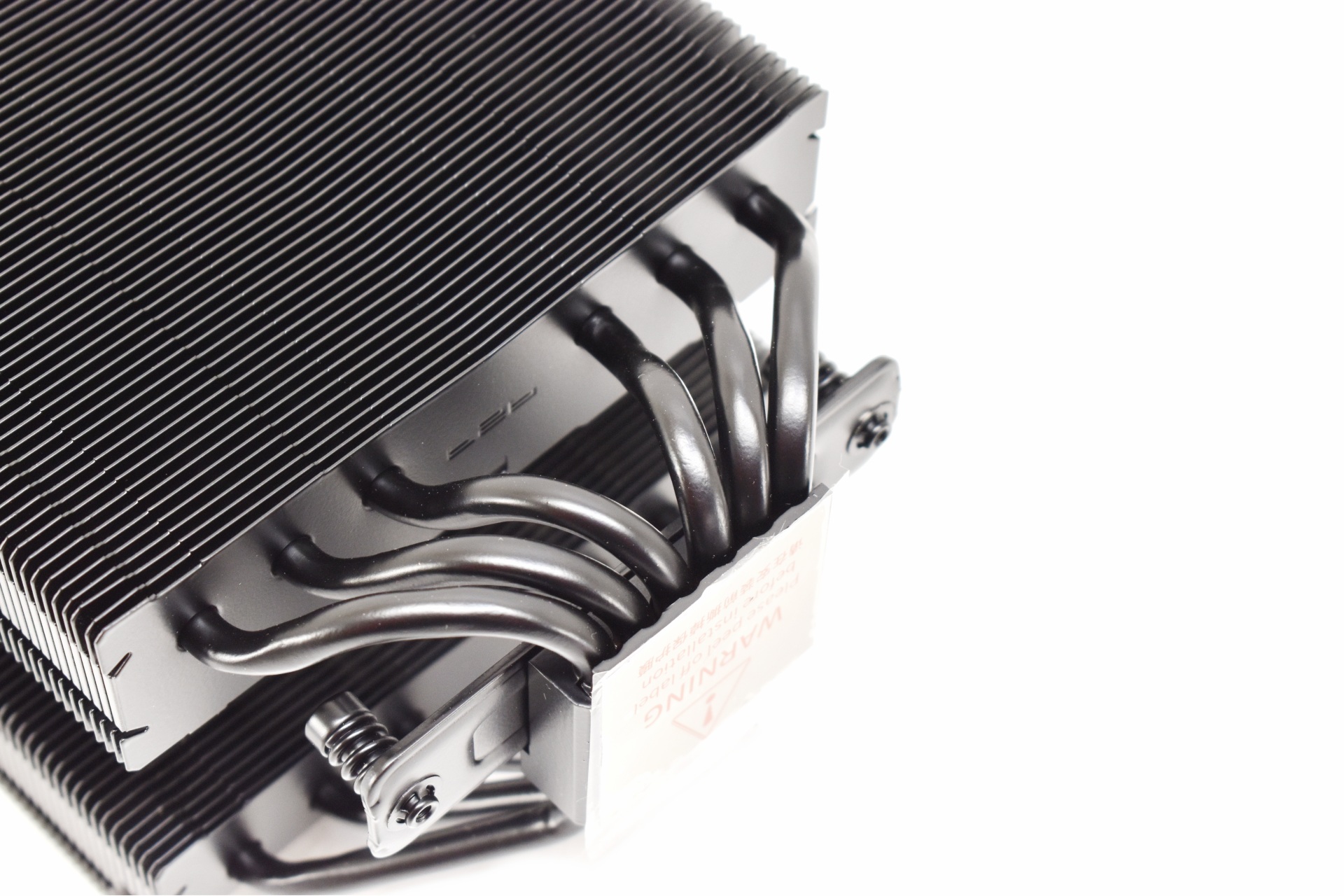
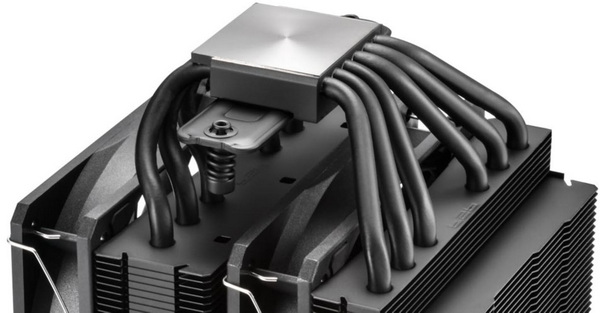
The MP7 Black features a grand total of six 6mm thick copper heat pipes.
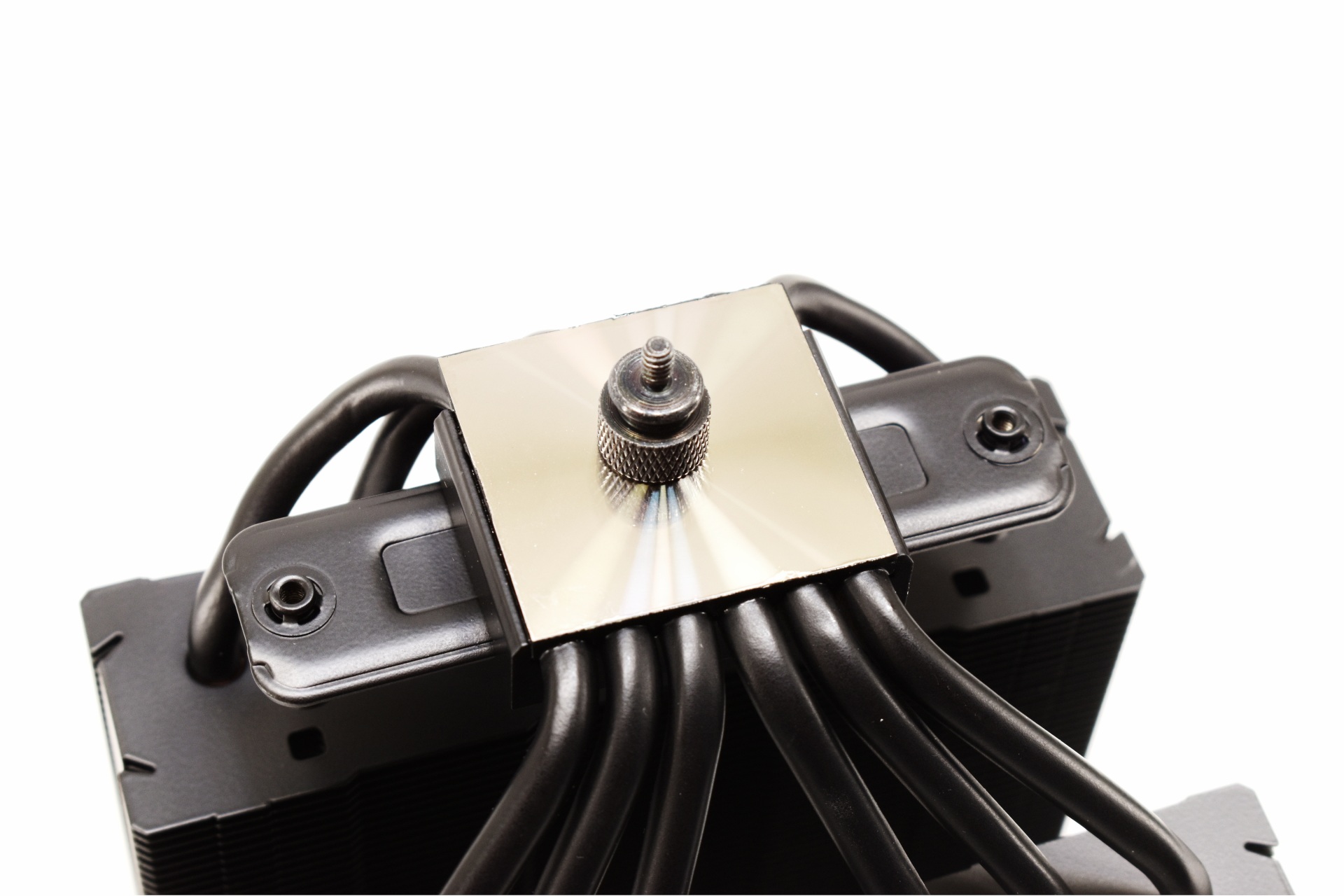
The copper base is nickel plated but lacks the mirror like finish we find in other models.
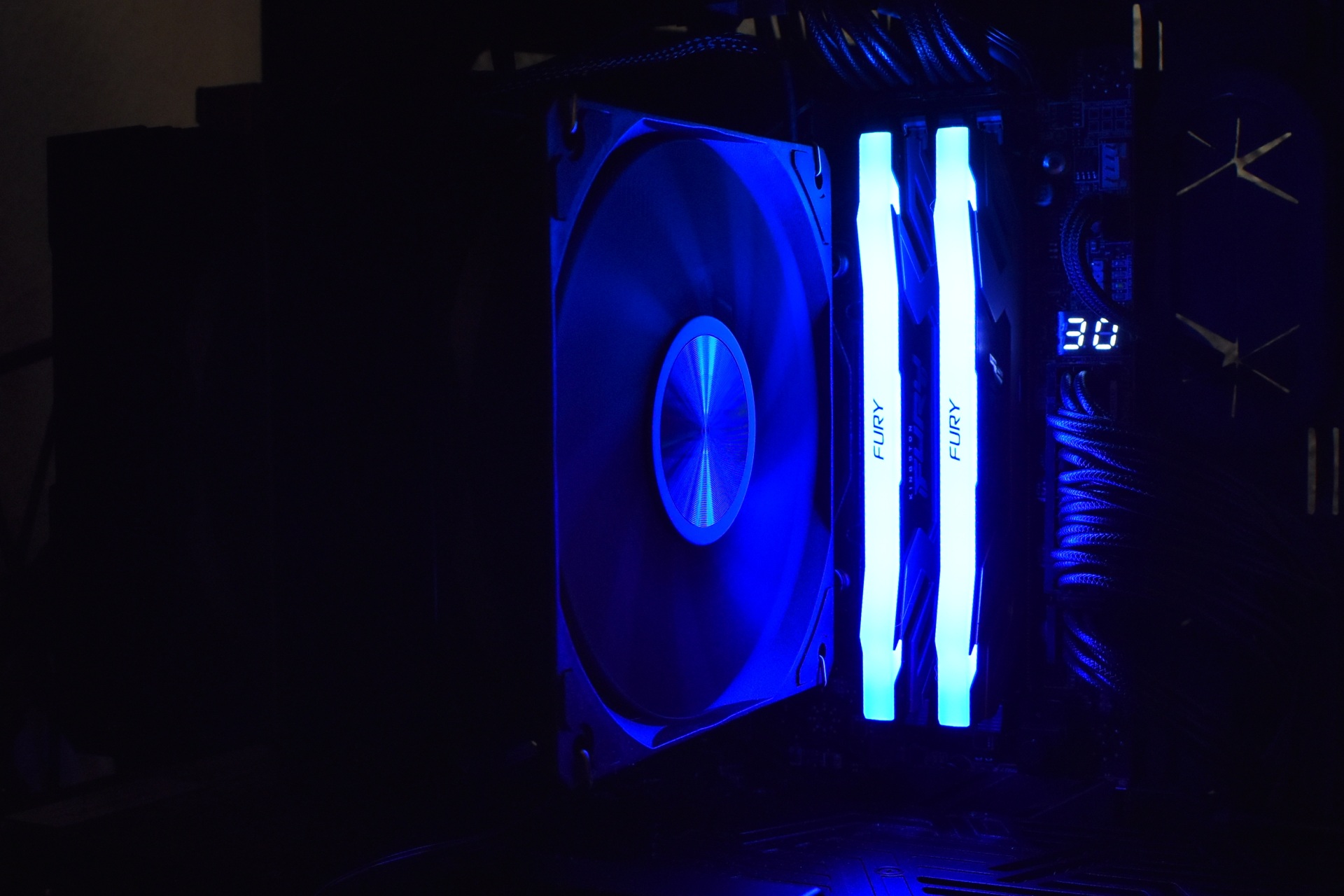
Since the MP7 Black lacks ARGB lighting it doesn’t stand out (good news is that there are no clearance issues with modern motherboards).
TEST BED

TESTING METHODOLOGY
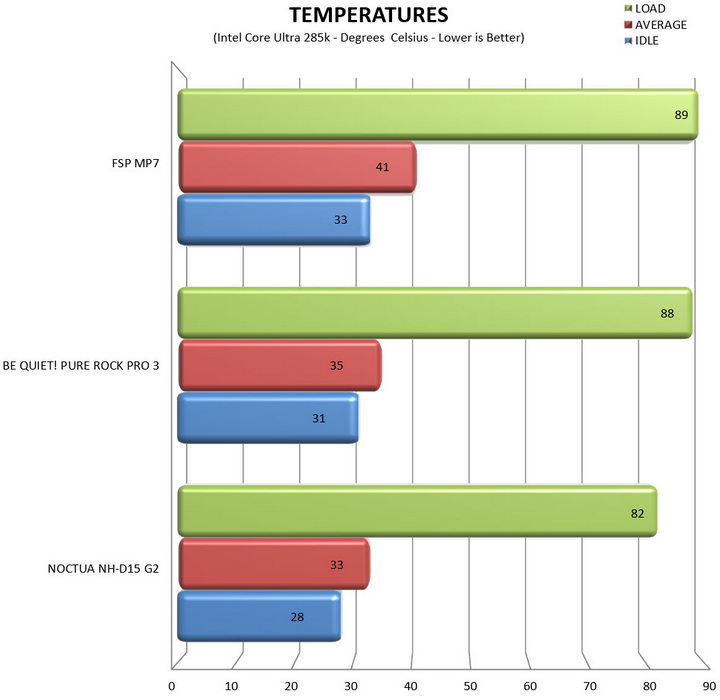
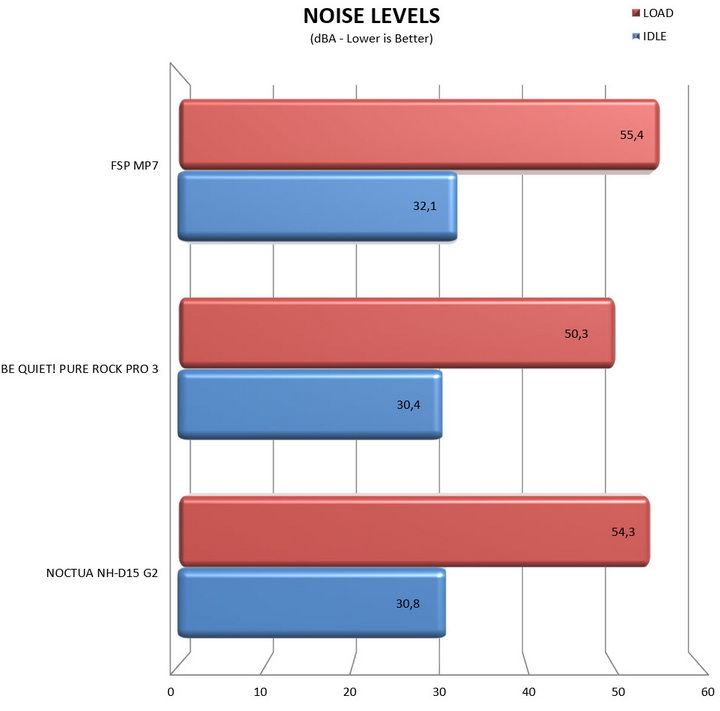
I always take things quite seriously when it comes to work so just like with the previous LGA1366 and LGA2011 databases every single CPU Cooler in the charts will be tested under the same exact conditions. Testing a CPU Cooler automatically means that you need to know where it stands against the immediate competition and to accomplish that I’ve spent both money and time through the years, something that I honestly plan to continue to do so in order to get the most accurate results for the end consumers who read these lines. Every CPU cooler in this database is tested with the bundled 140mm/120mm/92mm/80mm fans while working at both idle speed and 100% of their speeds for all the temperature tests. CPU Coolers that do not come bundled with a fan/s are measured using a Noctua fan (size dependent on the model) to test for the temperature tests but due to the lack of a stock fan dBA level tests are obviously skipped. Single (120/140mm) watercooling solutions are tested with the radiator mounted at the rear of our test rig while dual/triple/quad (240/260/280/360/420/480/560mm) solutions with the radiator mounted at the top. For the dBA tests every cooler in the database was measured both while on idle mode or with the fan controller in the minimum setting and while on extreme load or with the fan controller all the way to the highest possible setting (PWM fans do that on their own without our intervention). Every single test takes place in a temperature controlled room of 23 degrees Celsius Ambient Temp with the help of two AC units placed diagonally inside the room. The Noctua NT-H2 thermal paste is used with every CPU Cooler. Finally, it's very important to point out that just because a CPU Cooler is better than another when tested with a specific system that does not necessarily mean that the same performance differences will apply 100% for other CPU models and in other situations (such as different ambient temps and system configurations).
To successfully record the load temperatures, we use the latest OCCT application for around 6-10 minutes to push the processor to its limits and after that is done and the temperatures are recorded, we wait for about 10-20 minutes for the CPU to cool down and record the idle temperatures. This is done to allow time for the thermal conductive material to achieve the optimal performance level. Same procedure is then repeated with the Passmark BurnIn Test as a failsafe just in case the OCCT results are wrong. This procedure is more time consuming than the usual peltier/thermometer tests but this way not only can readers get results based on real CPUs but those results can also be triple checked by using a variety of programs. Last but not least the temperatures were recorded using the latest versions of AIDA64, HWiNFO and HWMonitor while the noise level tests are performed using a high precision ExTech HD600 Decibel Meter placed about 10-15cm above the CPU Cooler. Still although the same testing procedure applies to all units do take into consideration that unlike the official numbers which are measured in special noise isolated labs with just the fans here, we also have both the rest of the cooler and the rest of the system (although all system fans are turned off when recording noise levels).
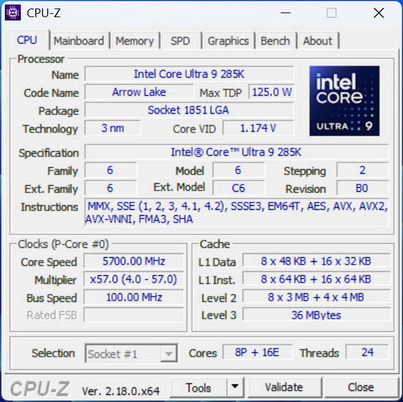
* As of November 2024, the Core Ultra 9 285K is used for CPU cooler tests.
TEST RESULTS
CONCLUSION
The FSP MP7 Black lands in a comfortable spot for anyone who wants strong, dependable cooling without stepping into liquid territory. Its thermal performance sits alongside some of the better air coolers in its class, even if it can’t quite chase the raw output of something like Noctua’s NH‑D15 G2, which still plays in a different league (also, considerably larger). The black‑coated finish gives it a more premium, uniform look, and the overall build quality feels solid rather than showy. Installation is straightforward, with no clearance headaches around RAM or motherboard components, making it a stress‑free fit for most mid‑tower systems. Noise levels remain well‑controlled under typical loads, though the performance‑to‑noise balance could use a touch more refinement when the fans ramp up. As a whole, the MP7 Black delivers reliable cooling, clean aesthetics, and an easy setup experience, exactly what many builders want from a modern air tower.
As of now the MP7 Black CPU Cooler by FSP retails for around USD55 inside the USA and for 65.53Euros inside the EU (Amazon.de) a price tag which is more or less balanced for what you’re getting. At the end of the day the MP7 Black may not offer the best cooling efficiency and the lack of ARGB lighting may steer some potential buyers away but overall, it delivers as it should and for that it gets the Golden Award.

PROS
- Build Quality
- Price / Performance Ratio
- Black Coating
- Dual Fan Solution
- Installation Ease
- Zero Clearance Model
CONS
- USA Availability (Currently)
- Lack Of ARGB Lighting (For Some)