



INTRODUCTION
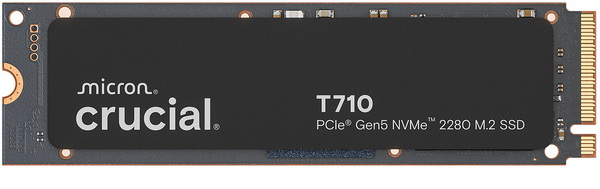
If someone had asked me just 1 year ago today if I could see myself having many Gen5 PCIe M.2 NVMe SSDs at the same time in the lab I'd probably had said it's hard but well, here we are and yes, quite a few have found their way in the lab. Silicon Motion, Phison and MaXio have all released their 2nd generation Gen5 NAND flash controllers and so it's no surprise that the market is quickly filled with brand new SSD models. The brand new T710 by Crucial is among those models and for the past month I've been testing the 2TB variant.
We are an industry leader in innovative memory and storage solutions transforming how the world uses information to enrich life for all. With a relentless focus on our customers, technology leadership, and manufacturing and operational excellence, Micron delivers a rich portfolio of high-performance DRAM, NAND and NOR memory and storage products through our Micron® and Crucial® brands. Every day, the innovations that our people create fuel the data economy, enabling advances in artificial intelligence (AI) and compute-intensive applications that unleash opportunities — from the data center to the intelligent edge and across the client and mobile user experience. To learn more about Micron Technology, Inc. (Nasdaq: MU), visit micron.com.
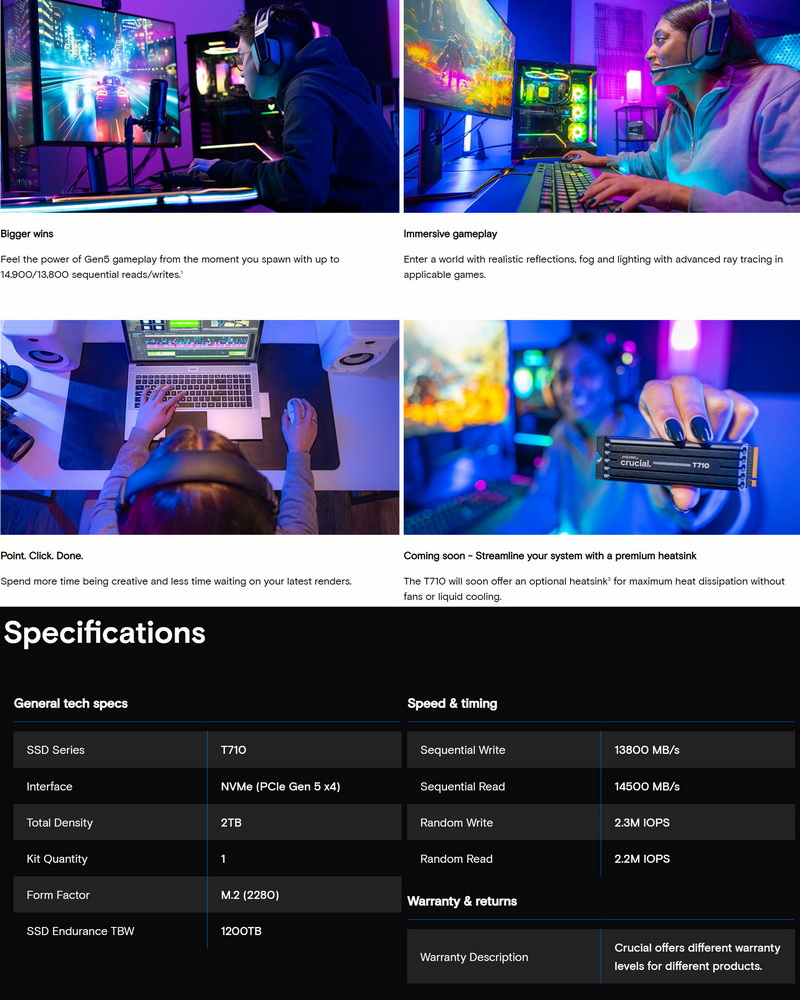
The brand new T710 line of M.2 Gen5 SSDs by Crucial is currently available in three capacities (1/2/4TB) and ships with or without a large black heatsink (according to marketing pictures it also has an RGB LED in it). For the T710 line Crucial has used the SM2508 NVMe 2.0 controller by Silicon Motion (6nm lithography) which they've paired with their very own (Micron) G9 276-layer 3D TLC NAND flash and 2GB of LPDDR4 DRAM (2133MHz/4266MT/s) for the 2TB model. The Silicon Motion SM2508 NVMe 2.0 controller features an quad-core ARM Cortex R8 CPU with support for 4 PCIe lanes of 32Gb/s data transfer speed (Gen5 x4), 8 NAND channels with a speed of up to 3600MT/s per channel and packs various technologies including end to end data path protection, programmable firmware interface, SRAM ECC & CRC parity, Innovative LDPC ECC engine, embedded programmable RAID, real-time full-drive AES 128/256bit encryption, hardware SHA 256/384 and TRNG, secure boot for FW authentication, built-in smart clock-gating mechanism (highly efficient power consumption), ONFI 5.0 and Toggle 5.0 support and TCG Opal 2.0 compliance. As for warranty Crucial covers the entire T710 line with a 5-year limited warranty and regarding endurance they report an TBW of 600 for the 1TB capacity, 1200 for the 2TB capacity and 2400 for the 4TB capacity.
SPECIFICATIONS AND FEATURES
PACKAGING AND CONTENTS
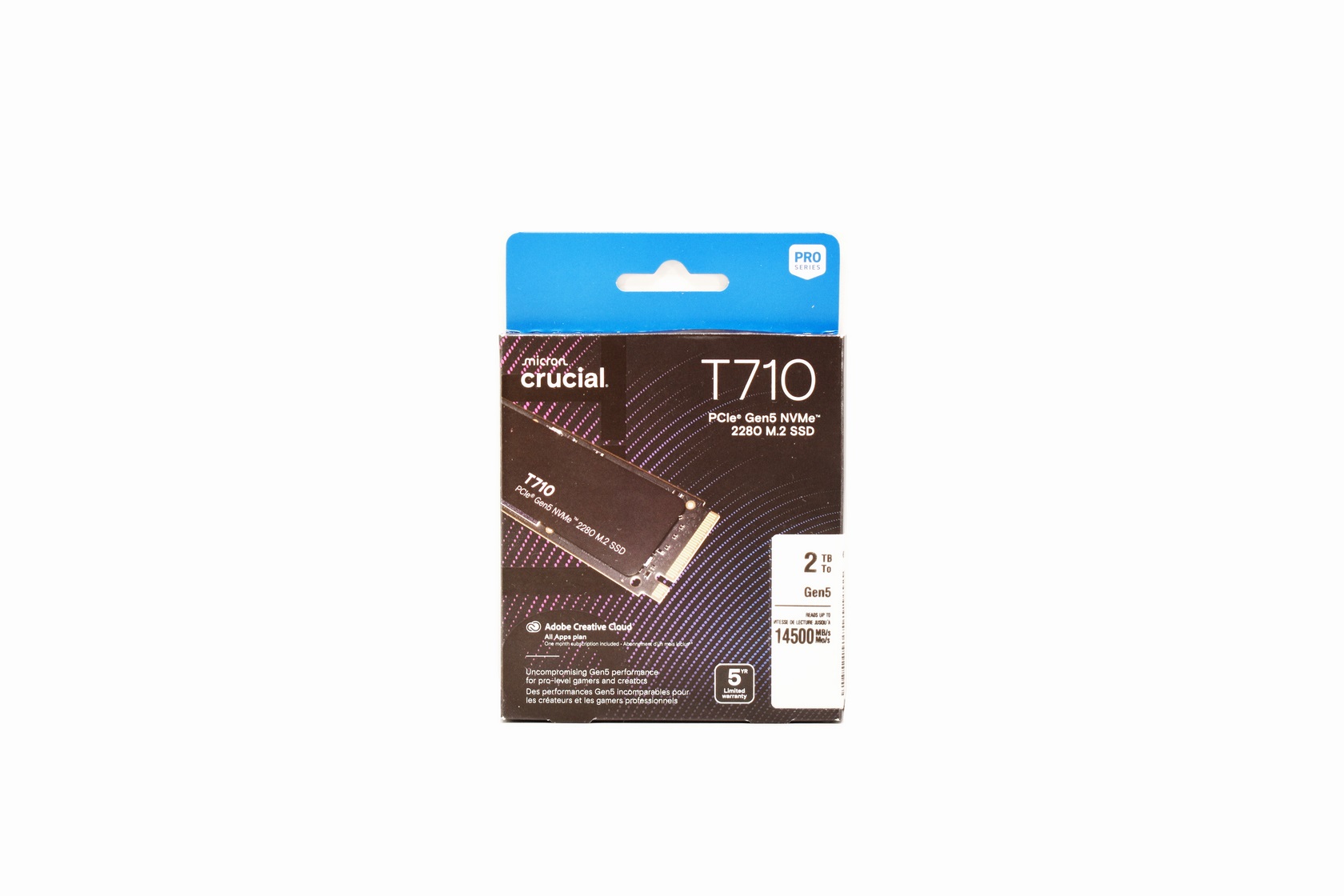
Crucial uses a small blue and black box the front of which is taken by a partial product picture, their logo, capacity, advertised performance and the product name.
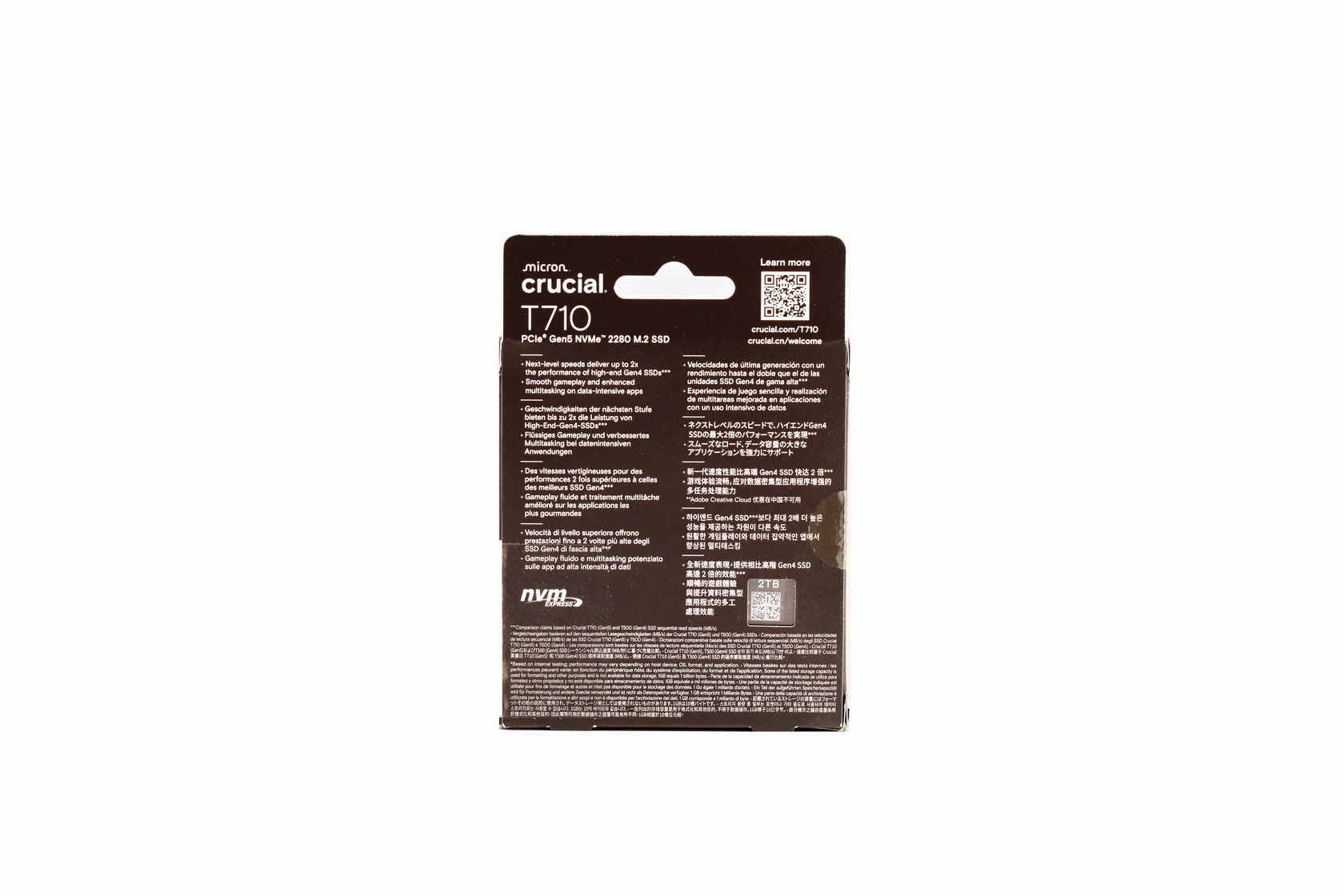
A few words about the product along with its serial number and its barcode are all at the rear.
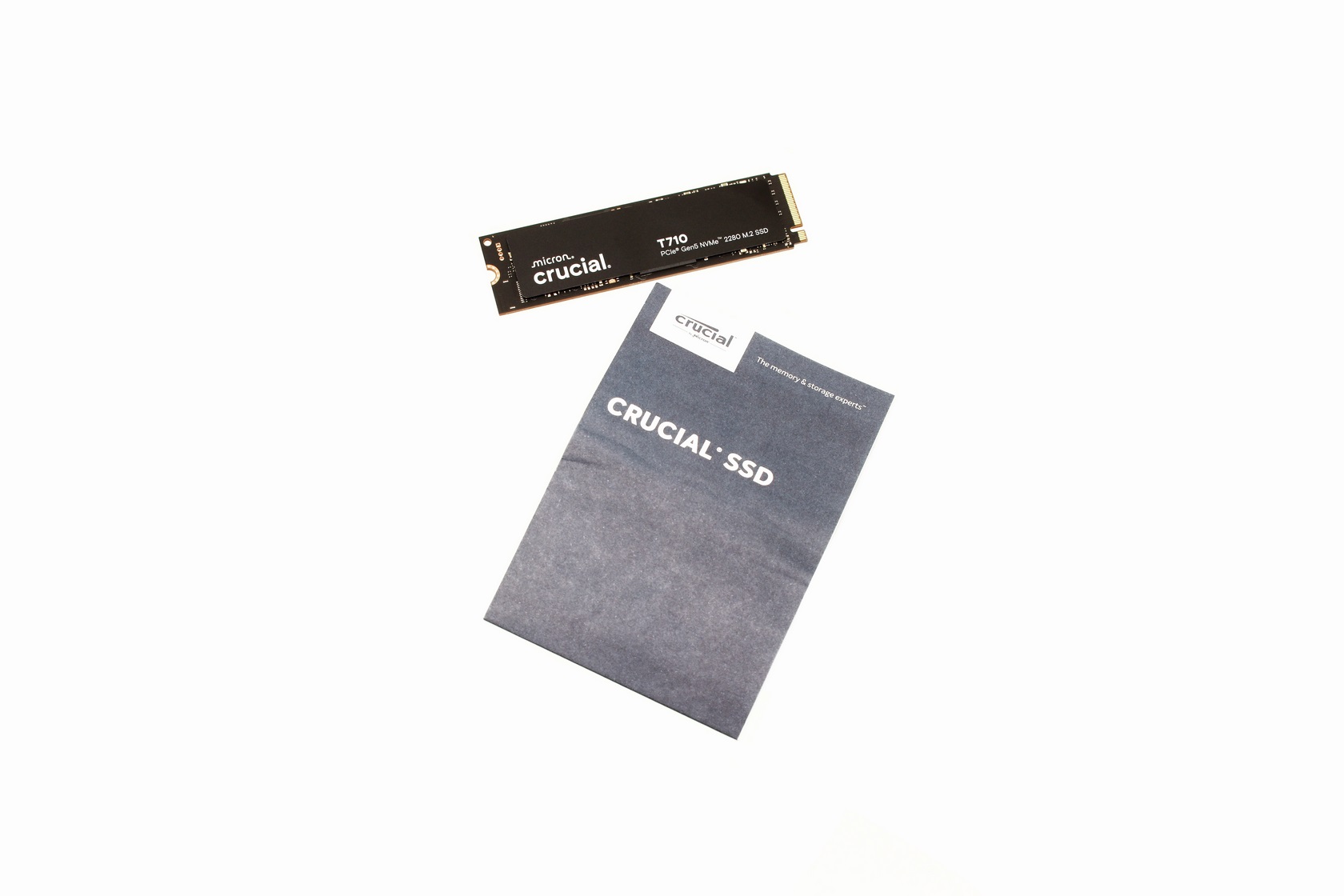
Inside the box Crucial has placed the T710 and a quick start guide.
THE T710 2TB
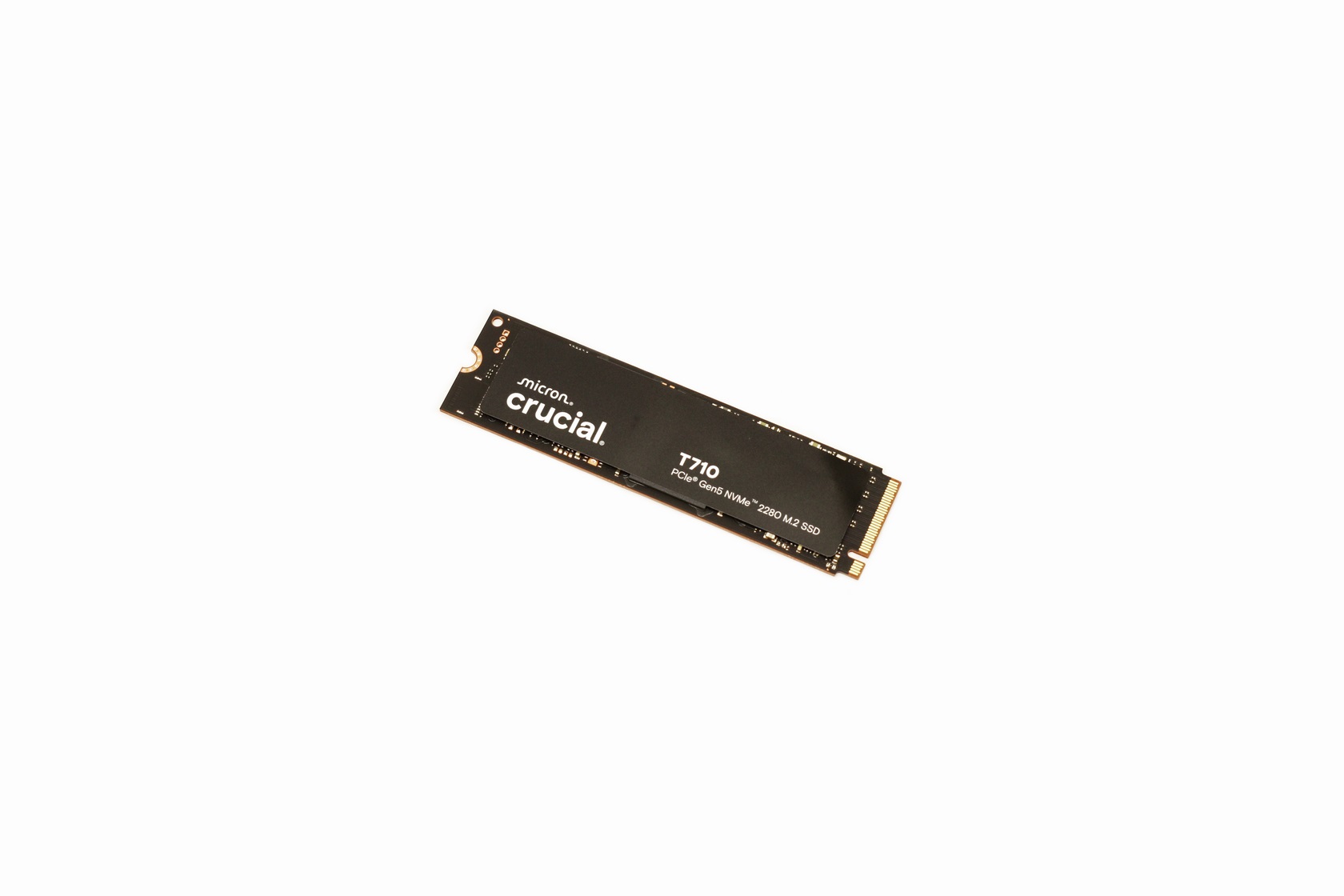
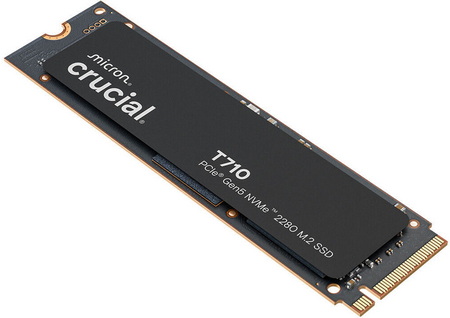
Typically, the T710 follows the 2280 factor and as for the non-heatsink version it just has a thin sticker on top.
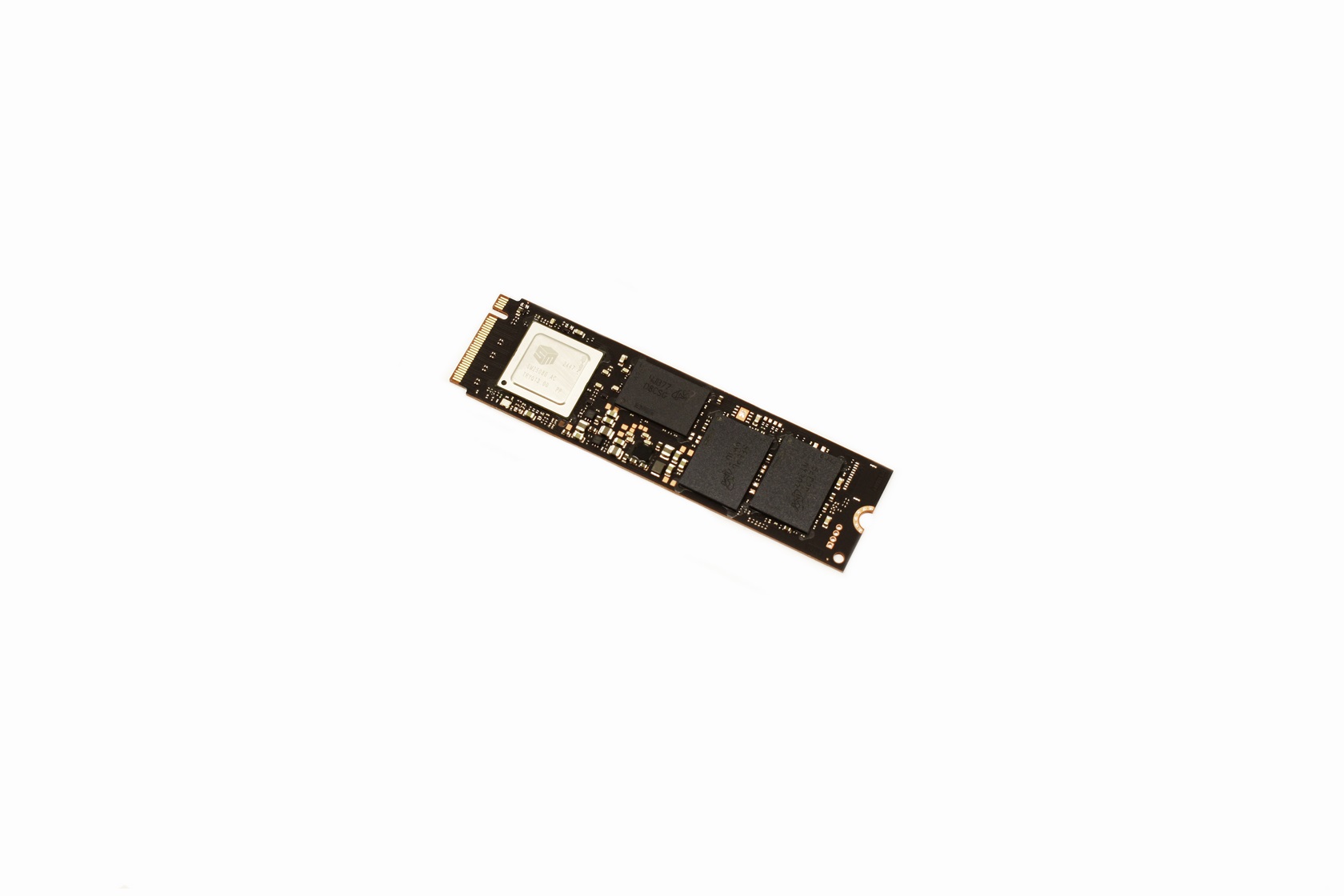
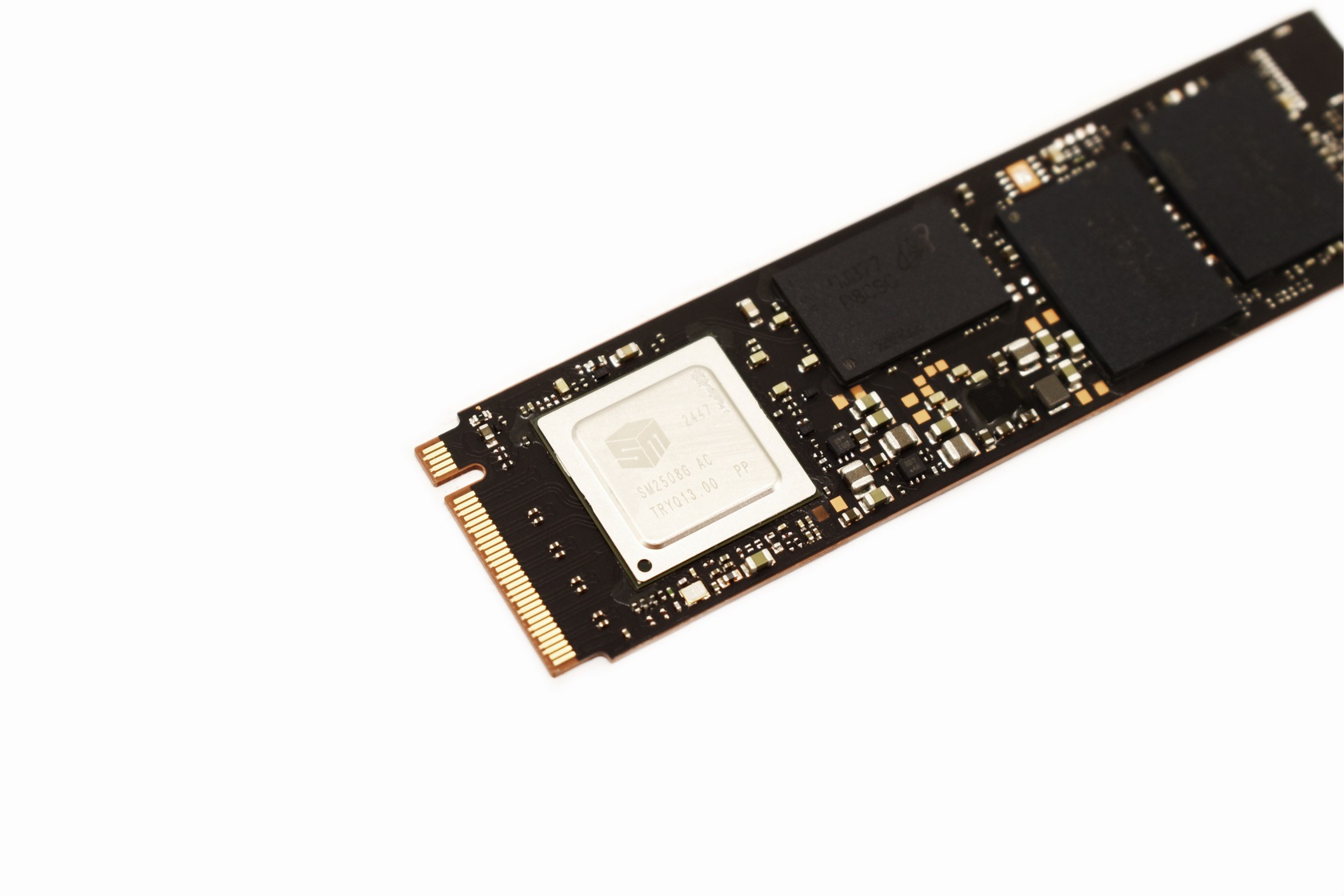
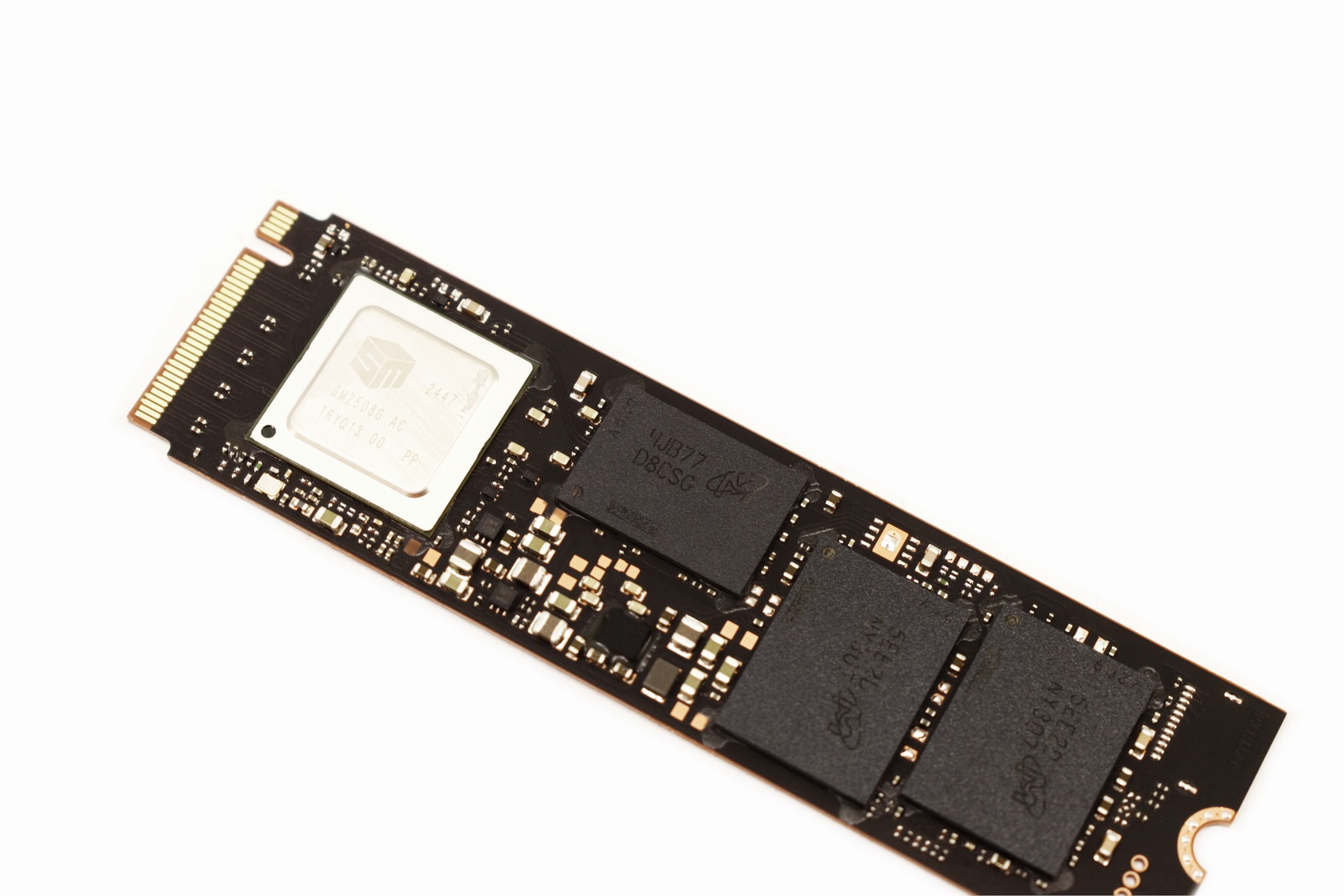
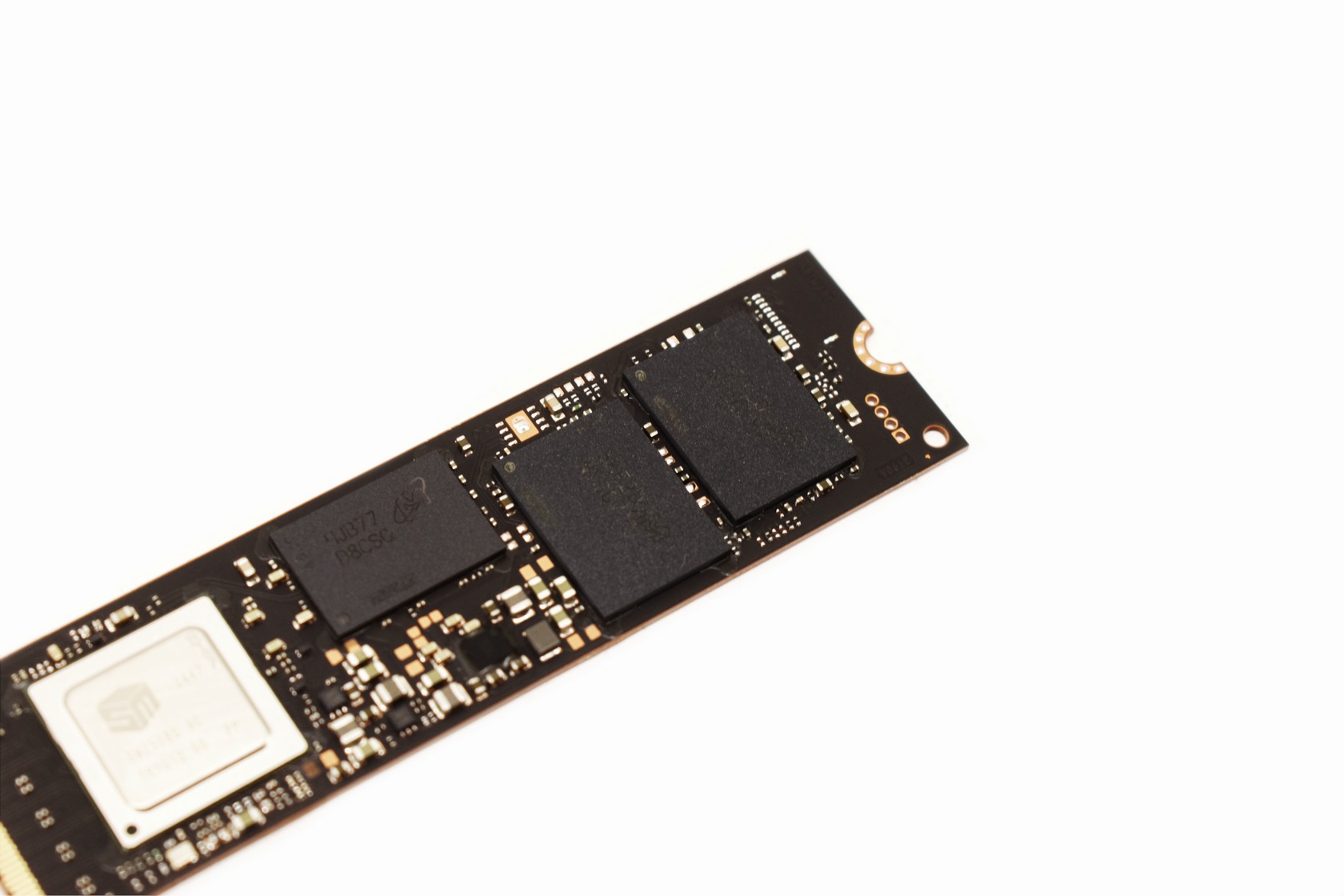
Under the sticker we find the Silicon Motion SM2508 NVMe 2.0 controller, 2GB LPDDR4 DRAM 2133MHz module by Micron and two G9 276-layer 3D TLC NAND flash modules again by Micron.
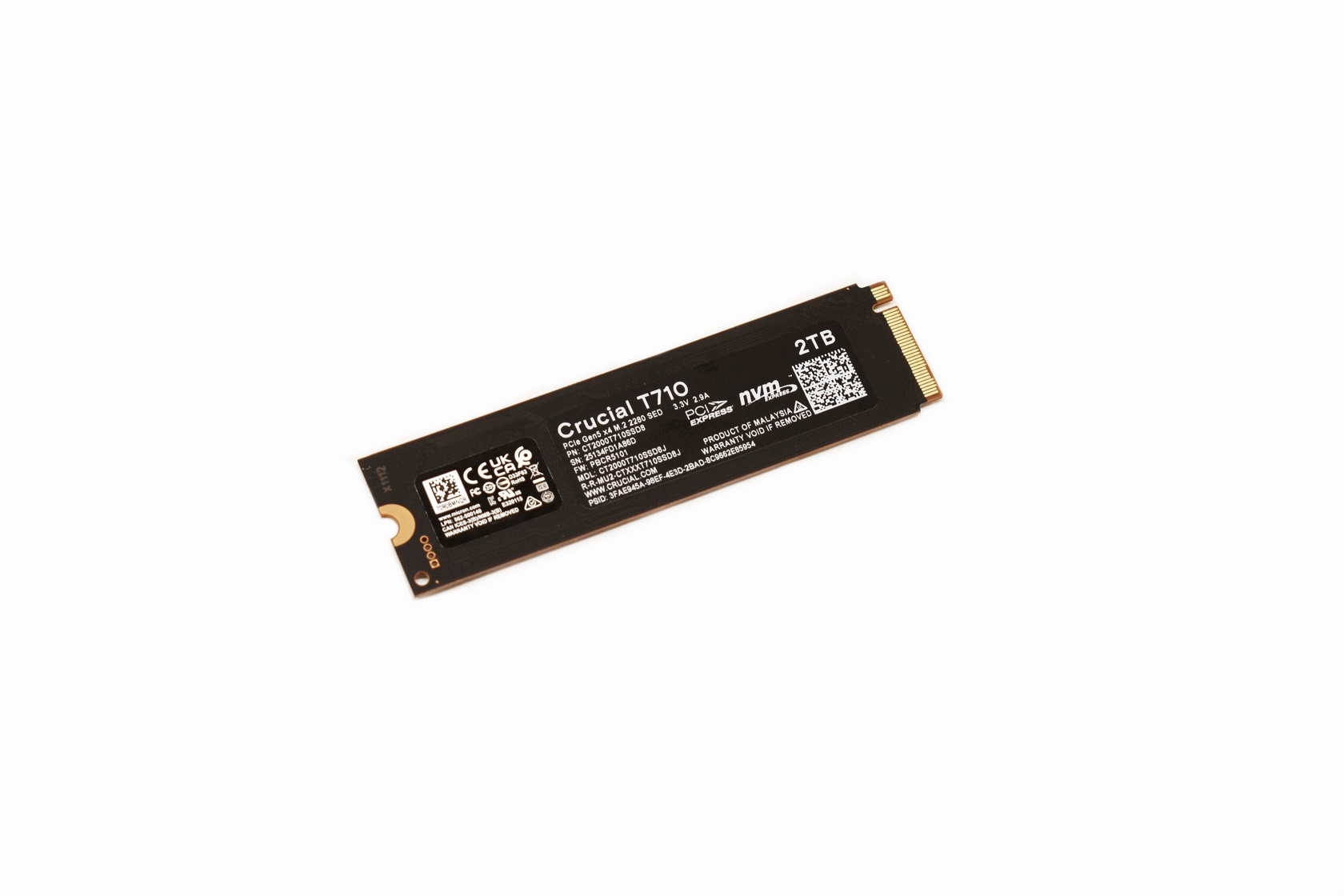
On the other side we just find a sticker with details about the drive itself.
STORAGE EXECUTIVE
Just like with past SSDs by Crucial you can download their Storage Executive software for more control over the drive.
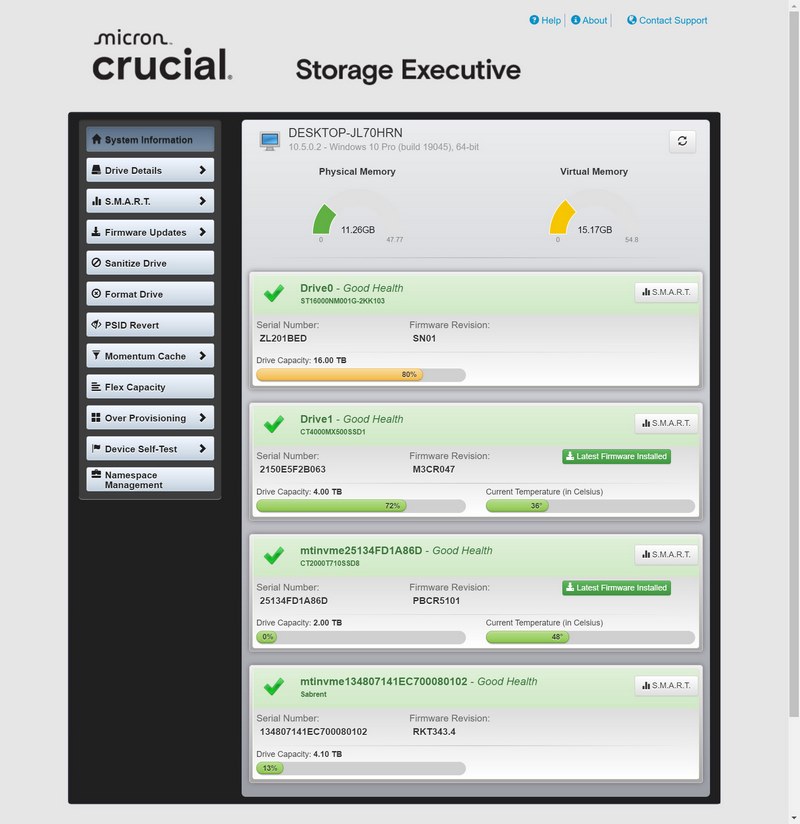
Typically, from the first tab you can check basic details of both your system memory and all available drives.
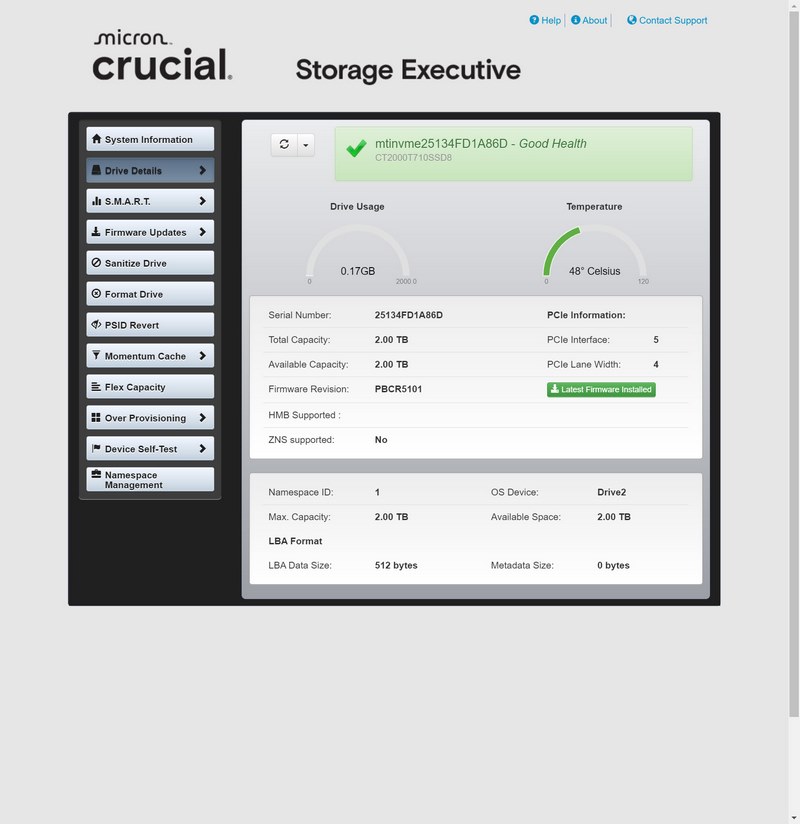
The drive details tab offers a bit more in terms of drive information but not by much.
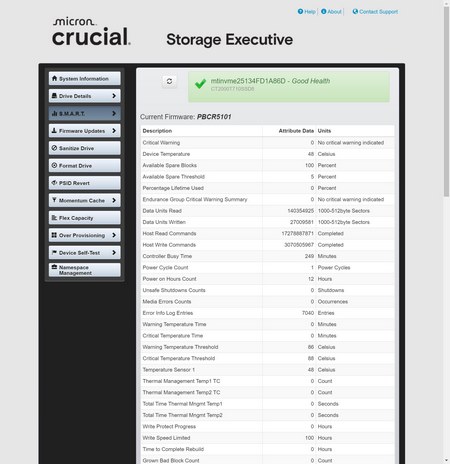
Of course, the software also gives you access to the drives SMART details.
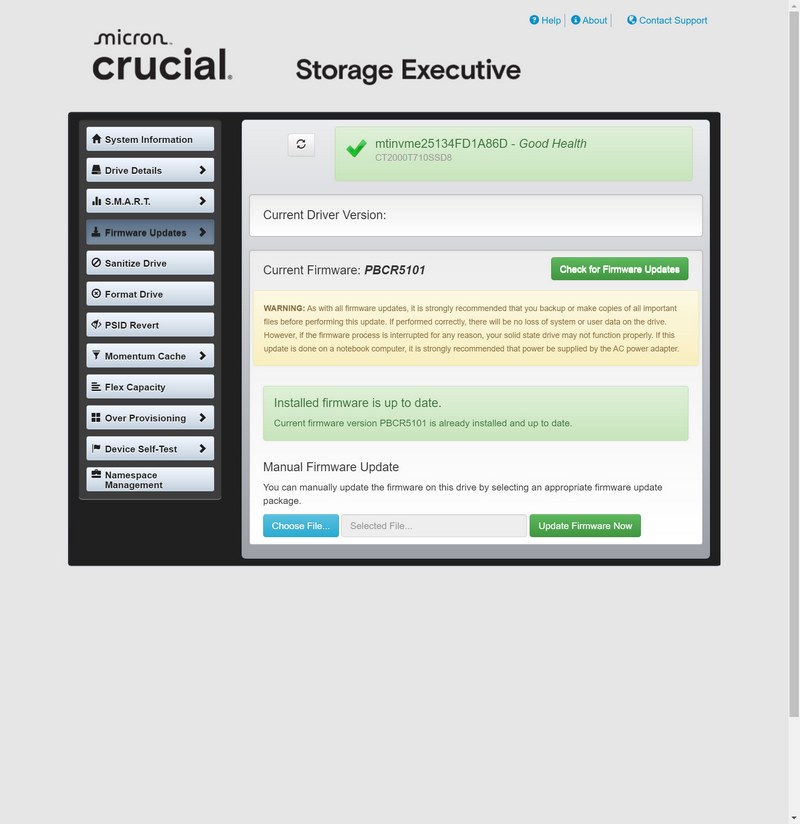
Even though the main tab lists any possible firmware updates you can also check via the corresponding tab.
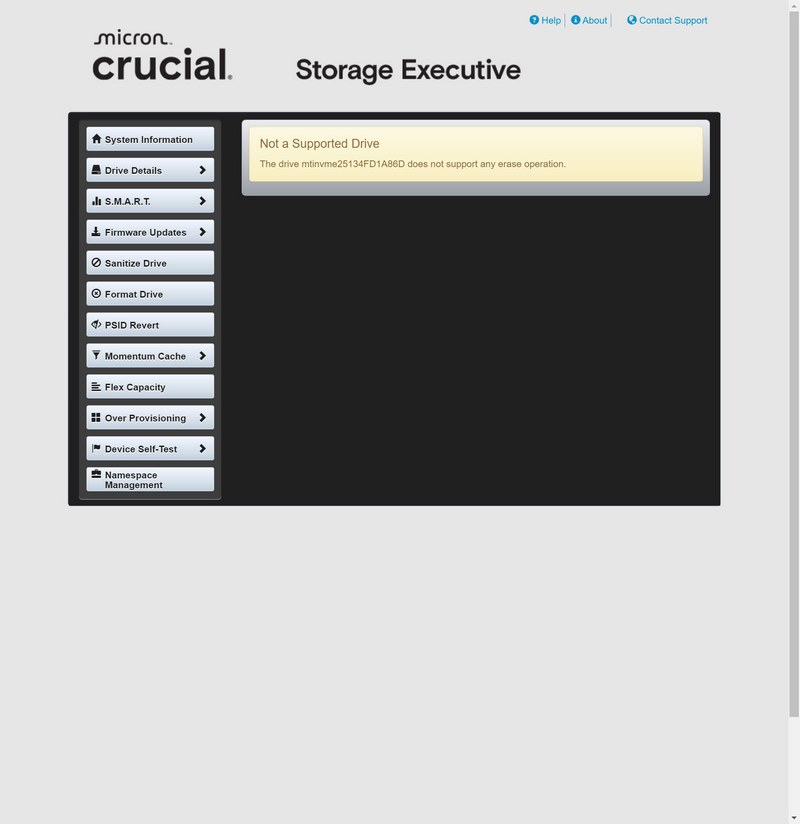
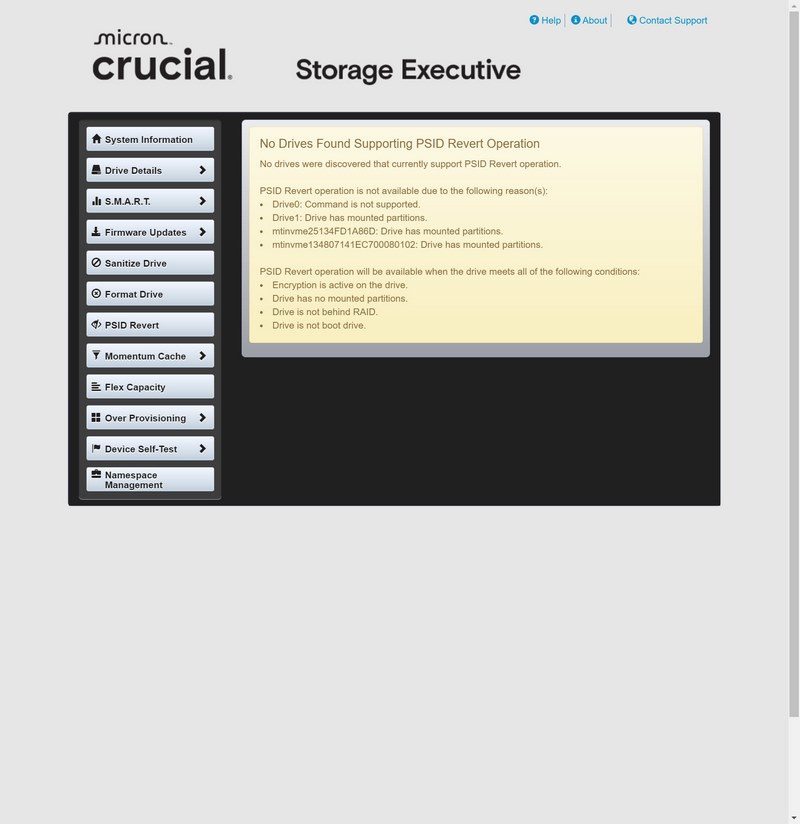
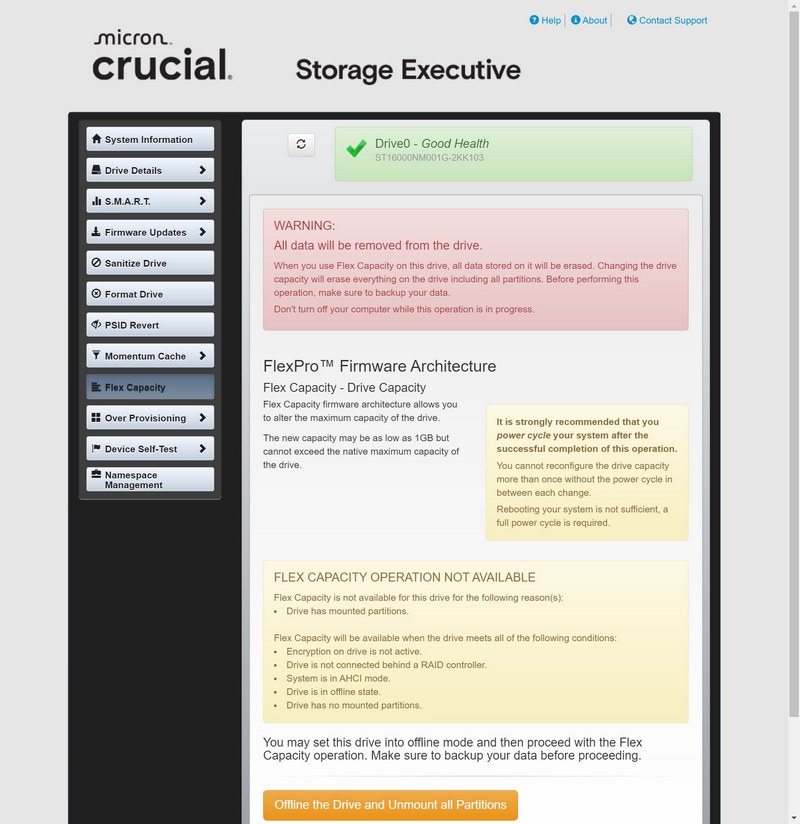
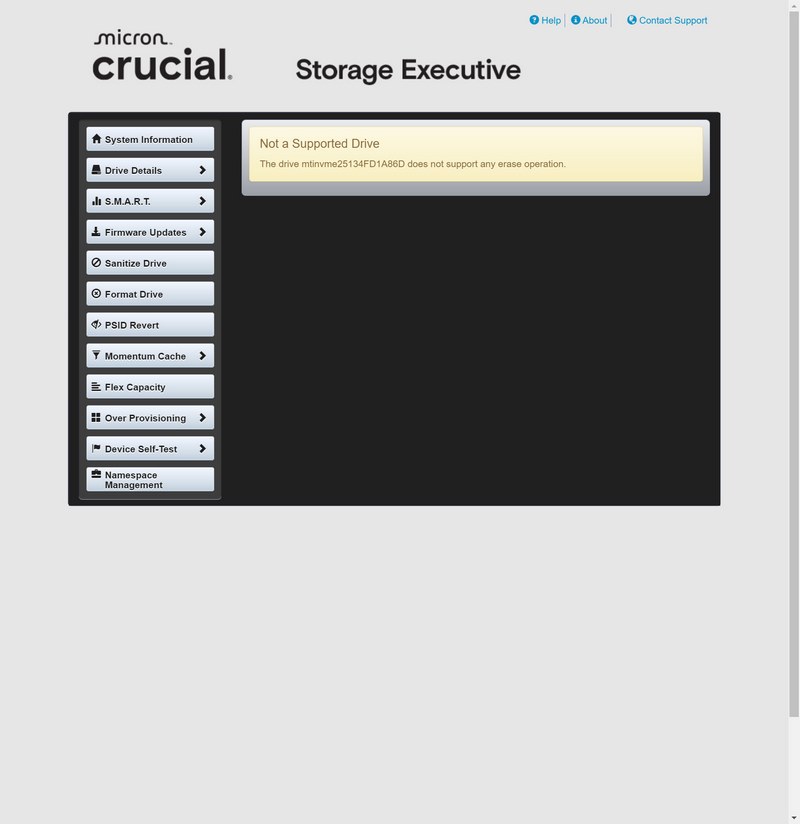
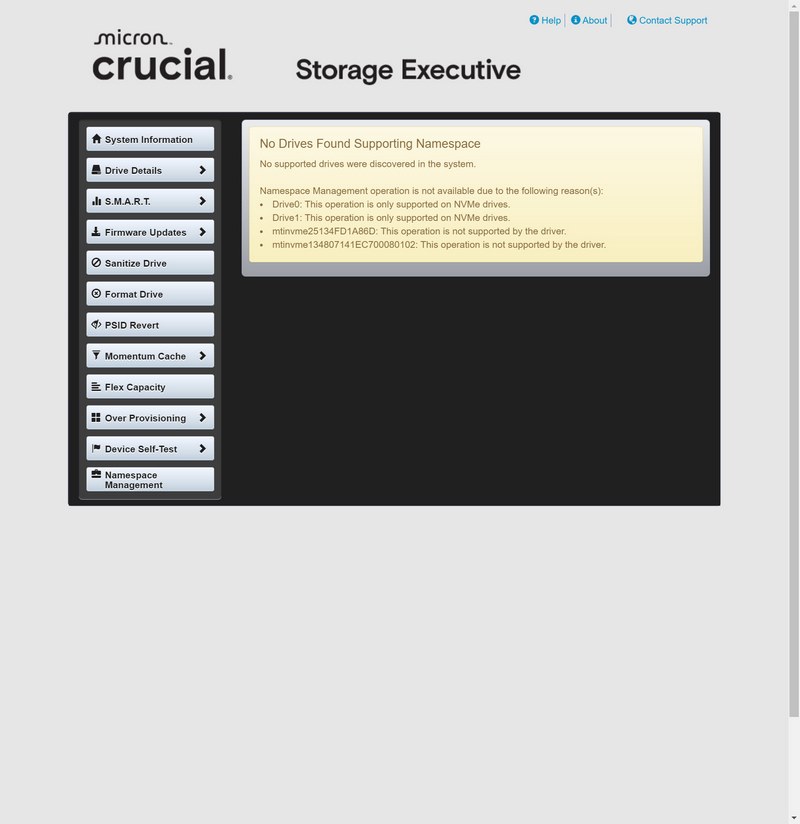
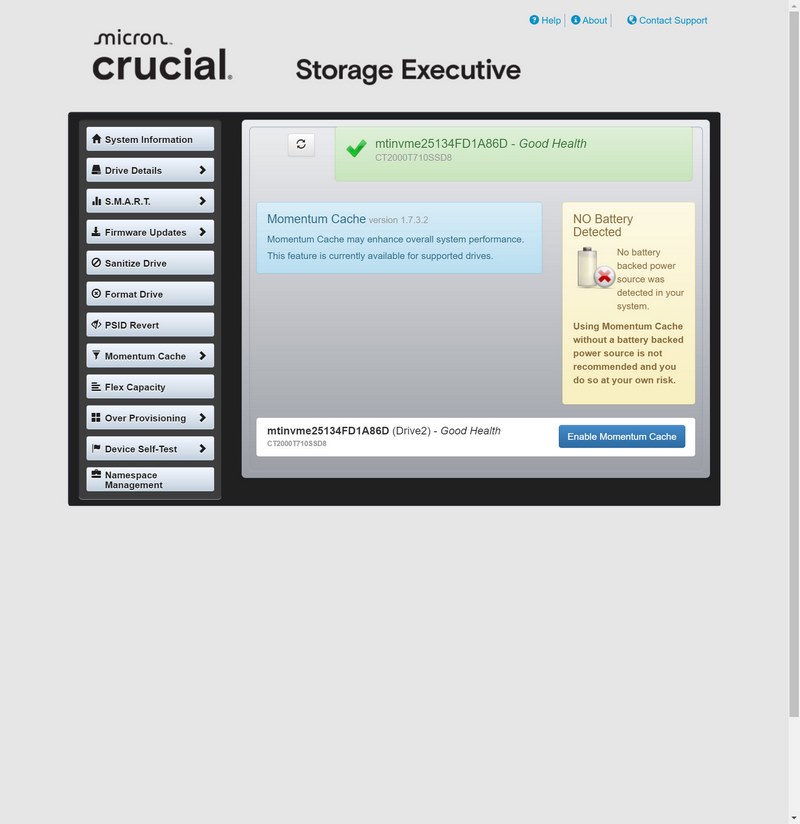
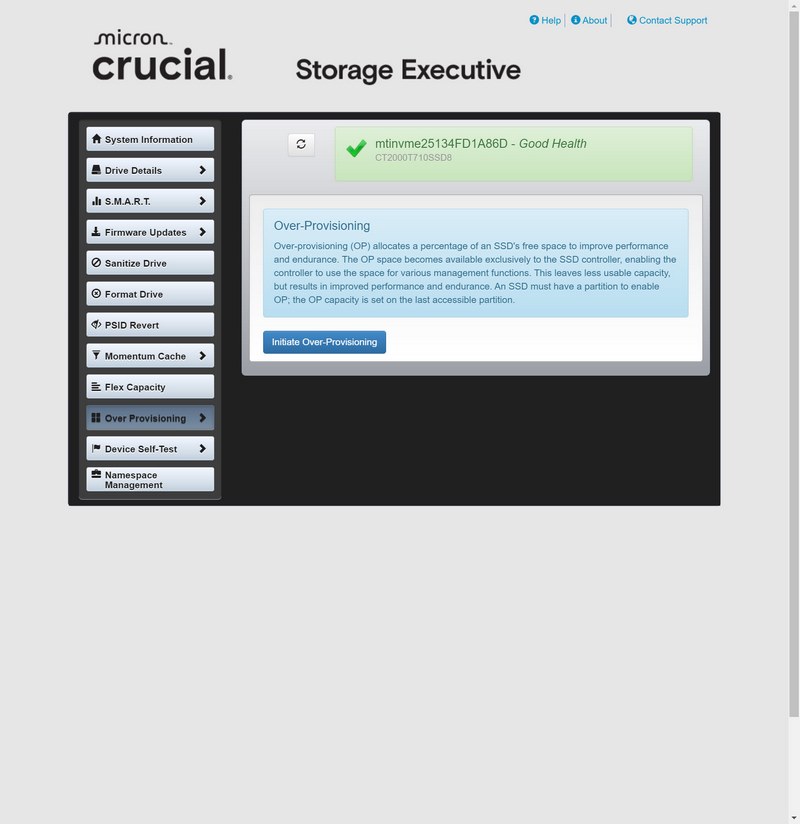
Just like past consumer models the T710 doesn't support features like sanitize, format, PSID revert, flex capacity and namespace management but it does support momentum cache and over provisioning for people who want to push performance even more (once again flex capacity somehow is compatible with the Seagate HDD in my system).
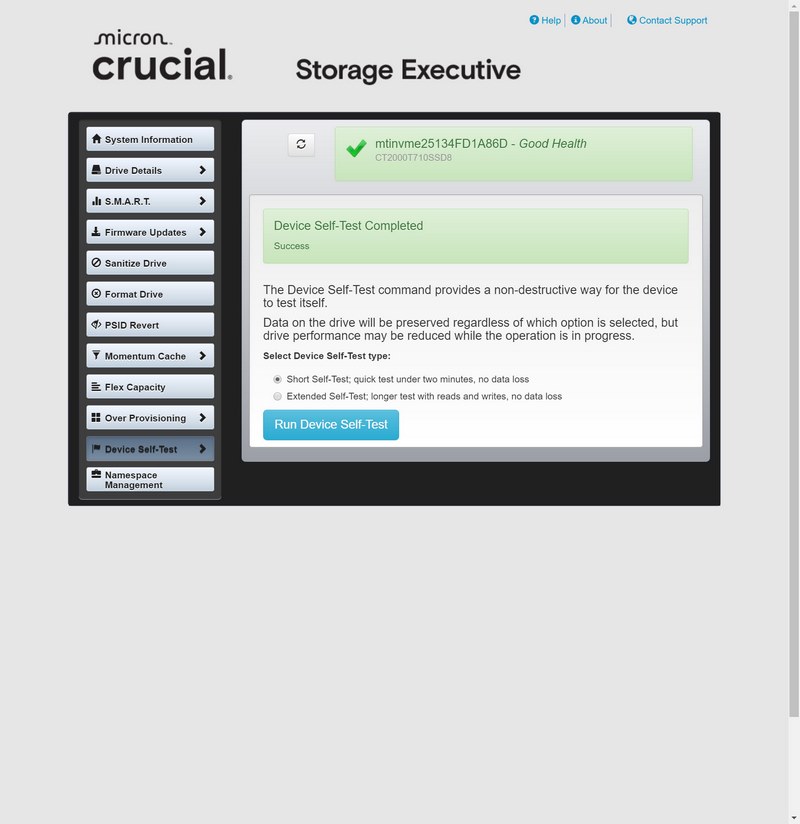
There's also a self-test function which can be useful if you are afraid something's wrong with your SSD.
TEST BED

TESTING METHODOLOGY
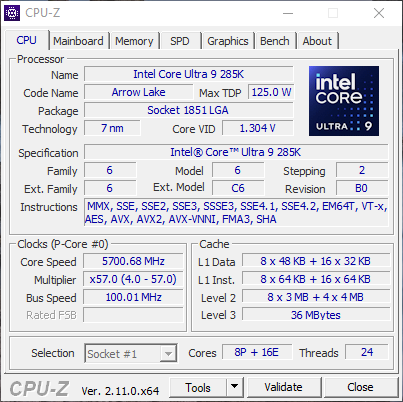
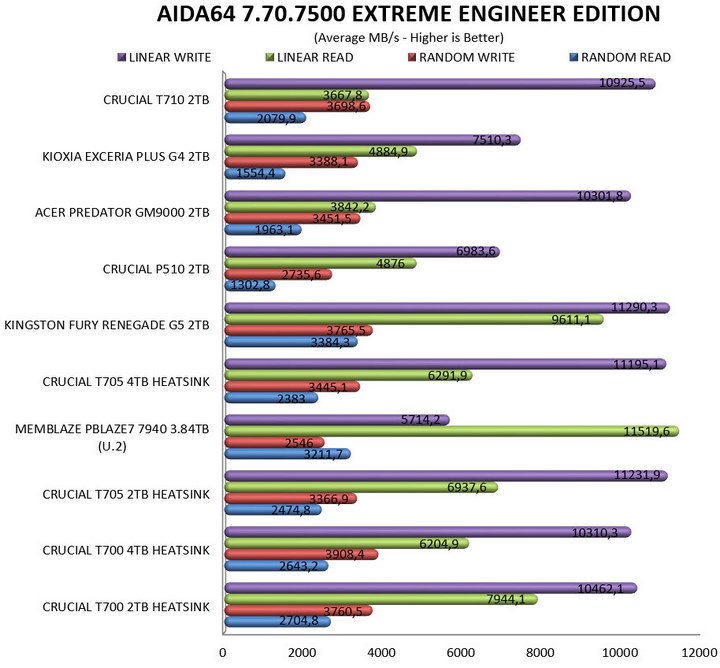
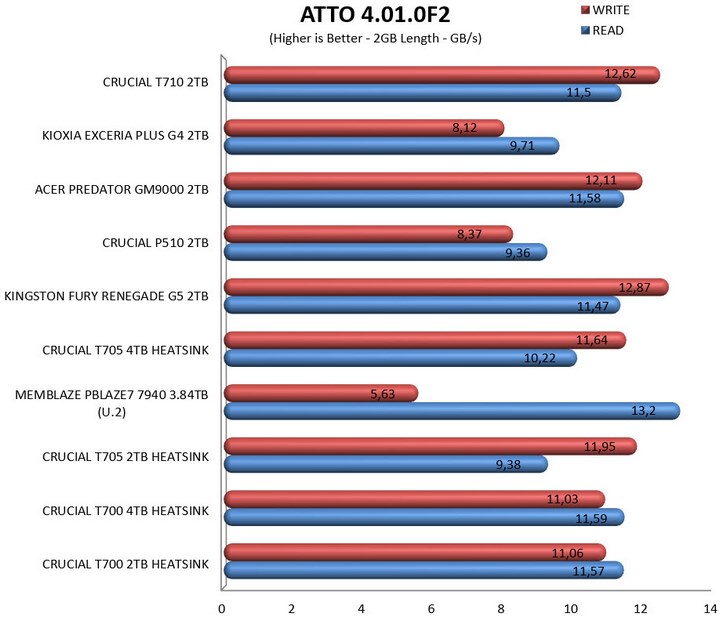
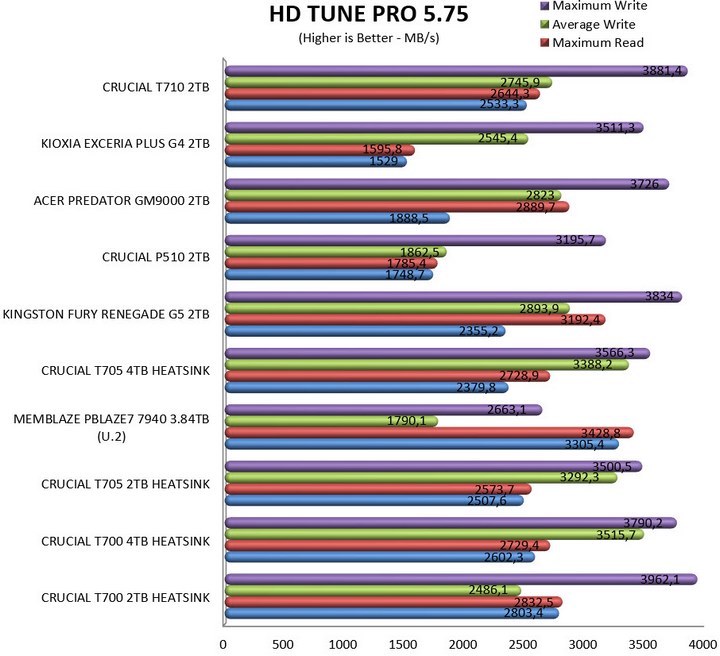
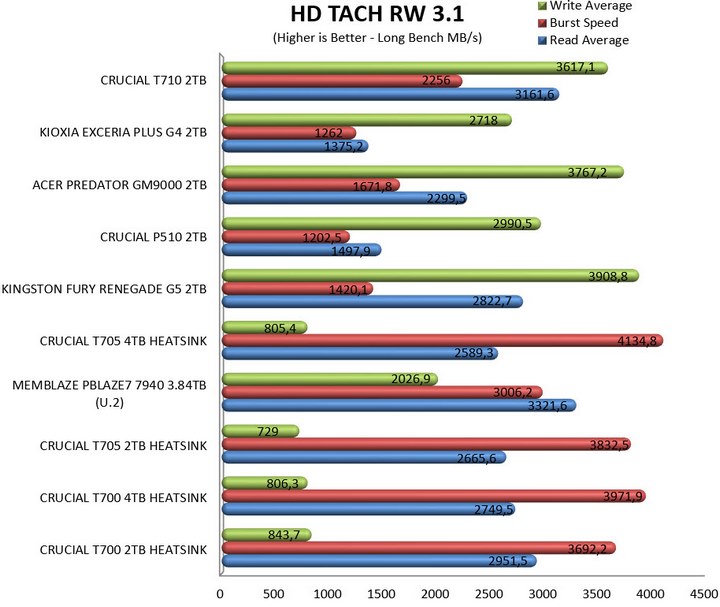
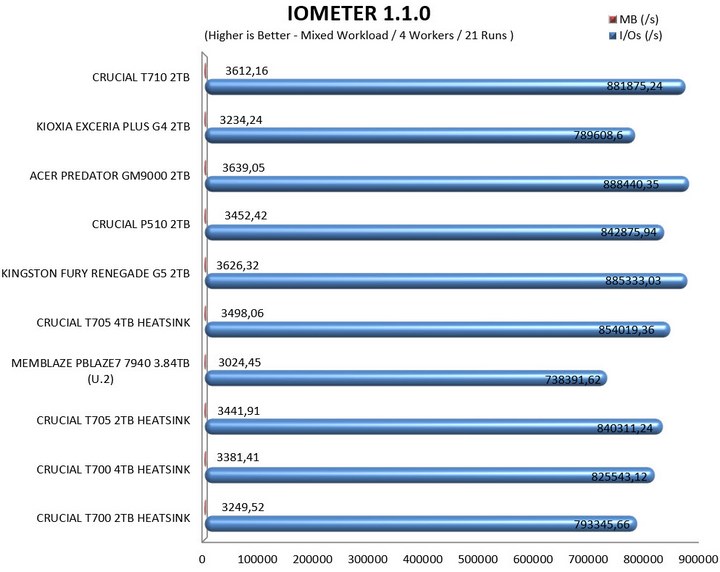
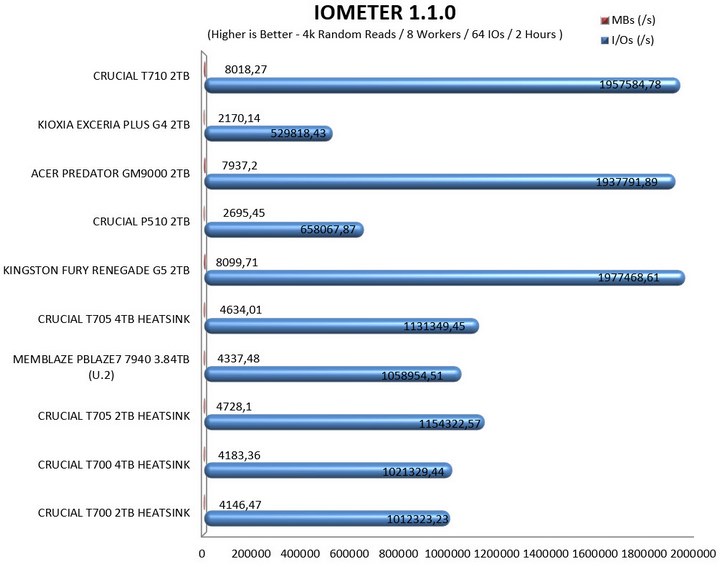
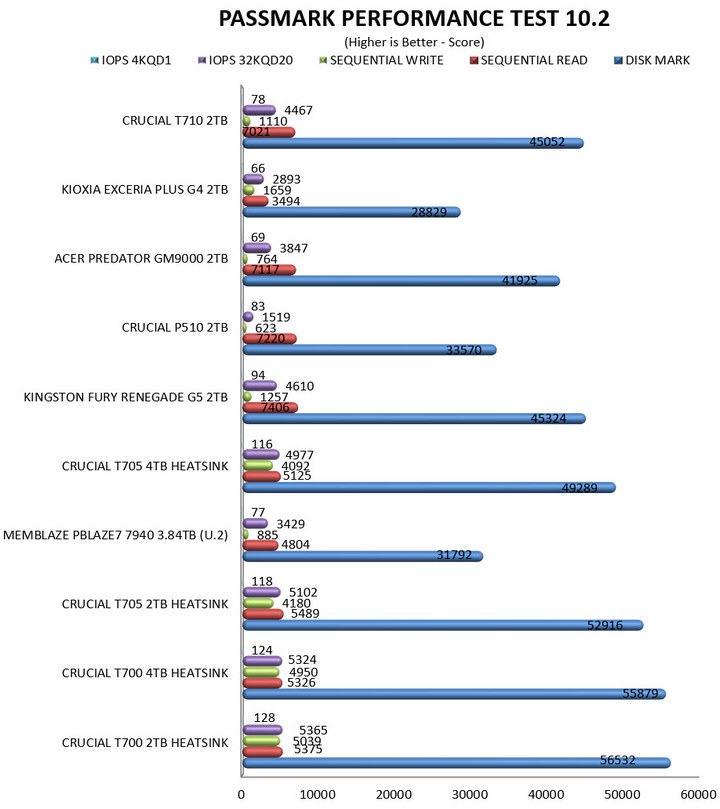
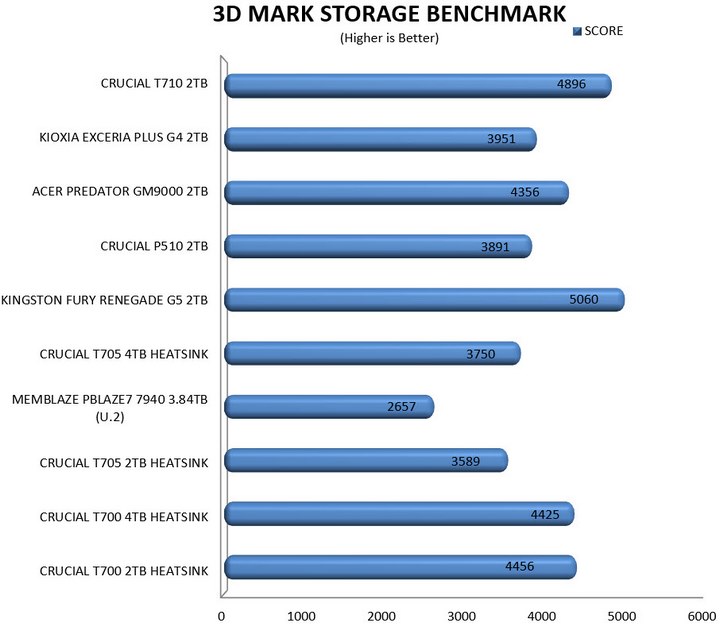
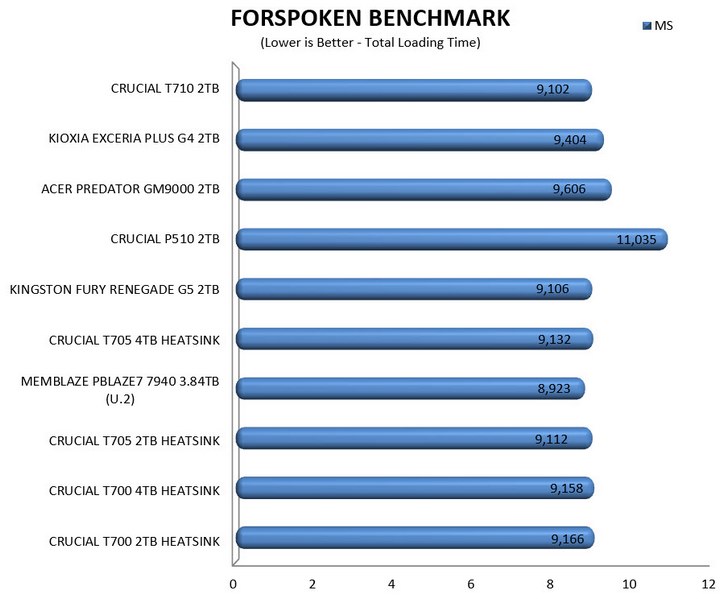
I've been using pretty much the same testing methodology for PCIe 3.0 Gen3 and PCIe 4.0 Gen4 SSDs for far too many years now, so I decided to "tweak" it for PCIe 5.0 Gen5 models. Needless to say, Gen5 M.2 NVMe SSDs will be tested using one of my latest test rigs (Intel Core Ultra 285K / ASRock Z890 Taichi Lite) and unlike with both Gen3 and Gen4 SSDs I will not be using the SNIA (Storage Networking Industry Association) 12 hour IOMeter benchmark since it proved to be rather heavy for early Gen5 SSDs (temperature issues). Instead, I decided to use the latest versions of 3D Mark, AIDA64, AS SSD, ATTO, Crystal Disk Mark, HD Tune Pro, HD Tach RW, Performance Test, IOMeter (4k Random Writes / 4k Random Reads – since September 2024 / SNIA Mixed) and Sandra Titanium for performance measuring and ForSpoken for all of you who might be wondering just how well Gen5 SSDs do in regard to Microsoft's DirectStorage API/Technology. Each test will be run a total of 5 times after which the average number will be recorded in each chart.
TEST RESULTS - AIDA64 / ATTO
TEST RESULTS - HD TUNE PRO / HD TACH RW
TEST RESULTS - AS SSD / CRYSTAL DISK MARK
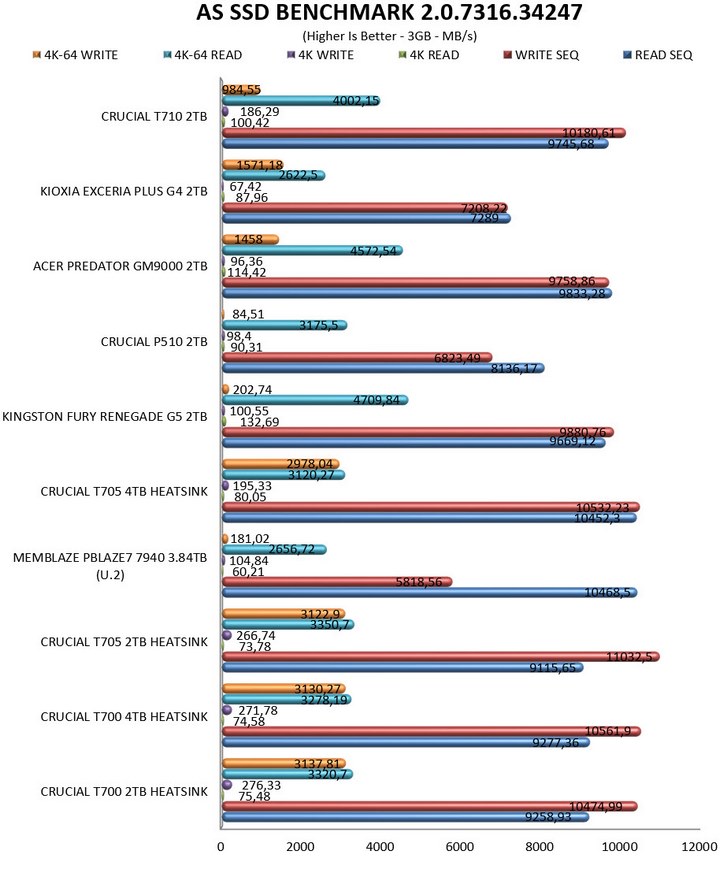
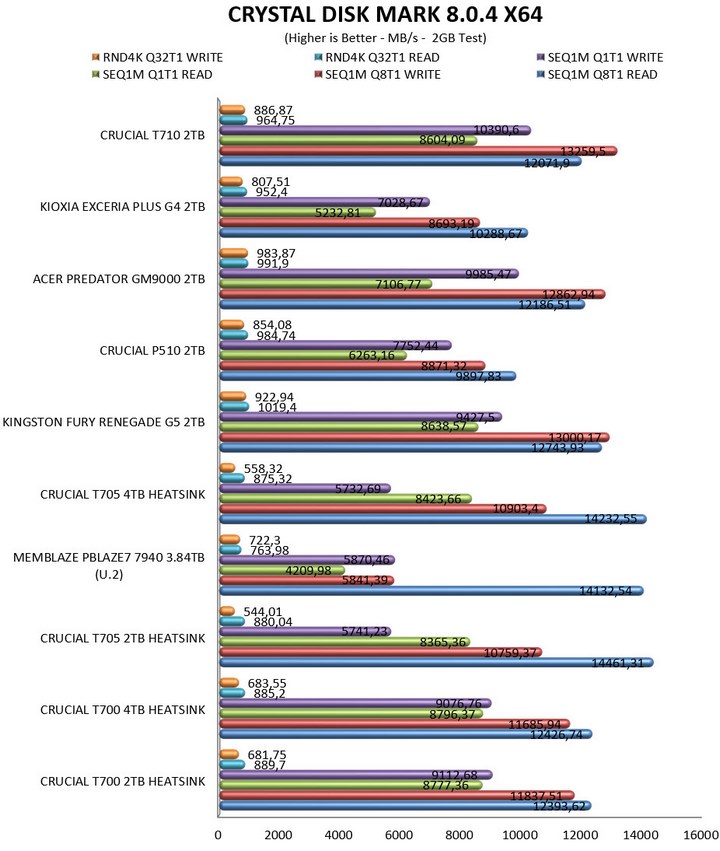
TEST RESULTS - SANDRA TITANIUM / IOMETER
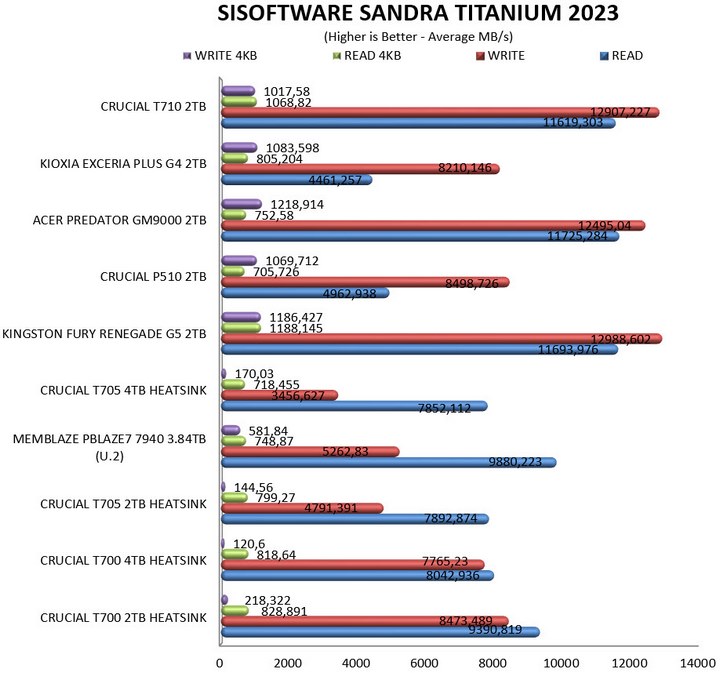
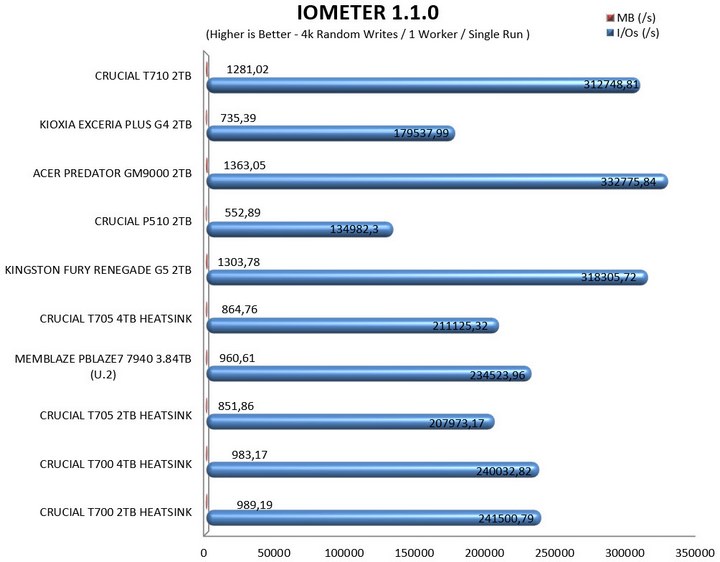
TEST RESULTS - PERFORMANCE TEST / 3D MARK / FORSPOKEN
CONCLUSION
As expected, the T710 2TB Gen5 M.2 NVMe SSD by Crucial exchanges blows on every single test with the Renegade G5 by Kingston, primarily because they share the same NAND flash controller and DRAM. Where the T710 excels slightly is the 3D TLC NAND flash used (G9 276-layer) and so it’s slightly faster overall. Durability numbers are also slightly better but if we’re being honest both drives are great 2nd generation Gen5 M.2 NVMe SSD models which will easily cover consumer demands. The storage executive software has remained the same for years now and well, it’s among the most detailed and easy to use in the industry so I understand why Crucial has yet to make any changes. My sole issue is once again capacity and with 4TB as its maximum it’s certain to leave out consumers looking for more (again, it’s 2025).
With a current price tag set at USD239.99 inside the USA (Amazon.com) and for 260.50Euros inside the EU (Amazon.de) the brand new T710 2TB Gen5 M.2 NVMe SSD by Crucial is priced very well. Performance, durability, price, the T710 just have it all and so the Platinum Award is in order.

PROS
- Quality
- Top Performance (Over 14000MB/s)
- Endurance (1200TBW)
- No Thermal Throttling
- Storage Executive Software
- 5 Year Limited Warranty
CONS
- Available Capacities (Only Up To 4TB)