

THE FREO Z ULTRA
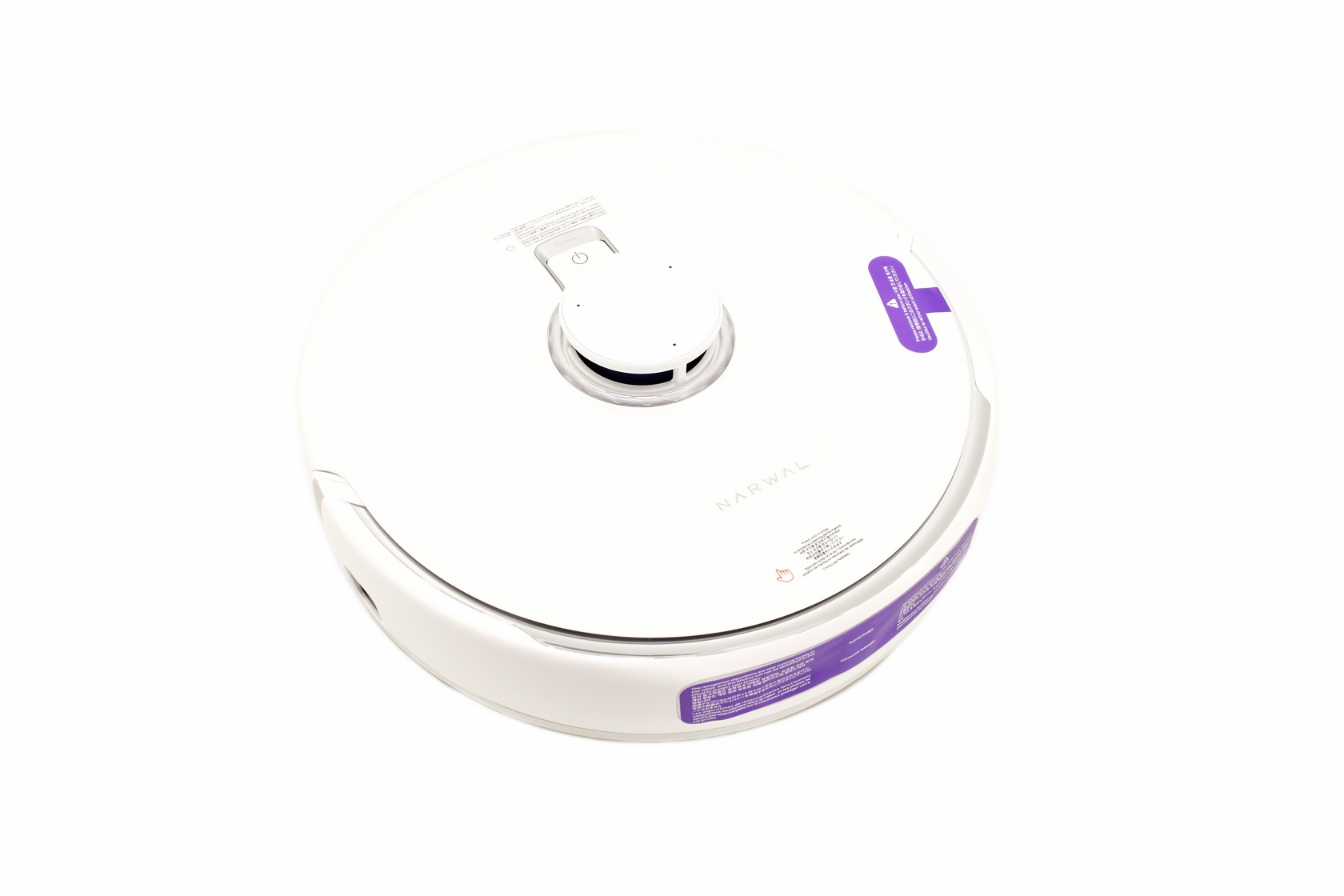
The plastic housing of the Freo Z Ultra robot vacuum cleaner measures roughly 350mm in diameter and 110mm in height.
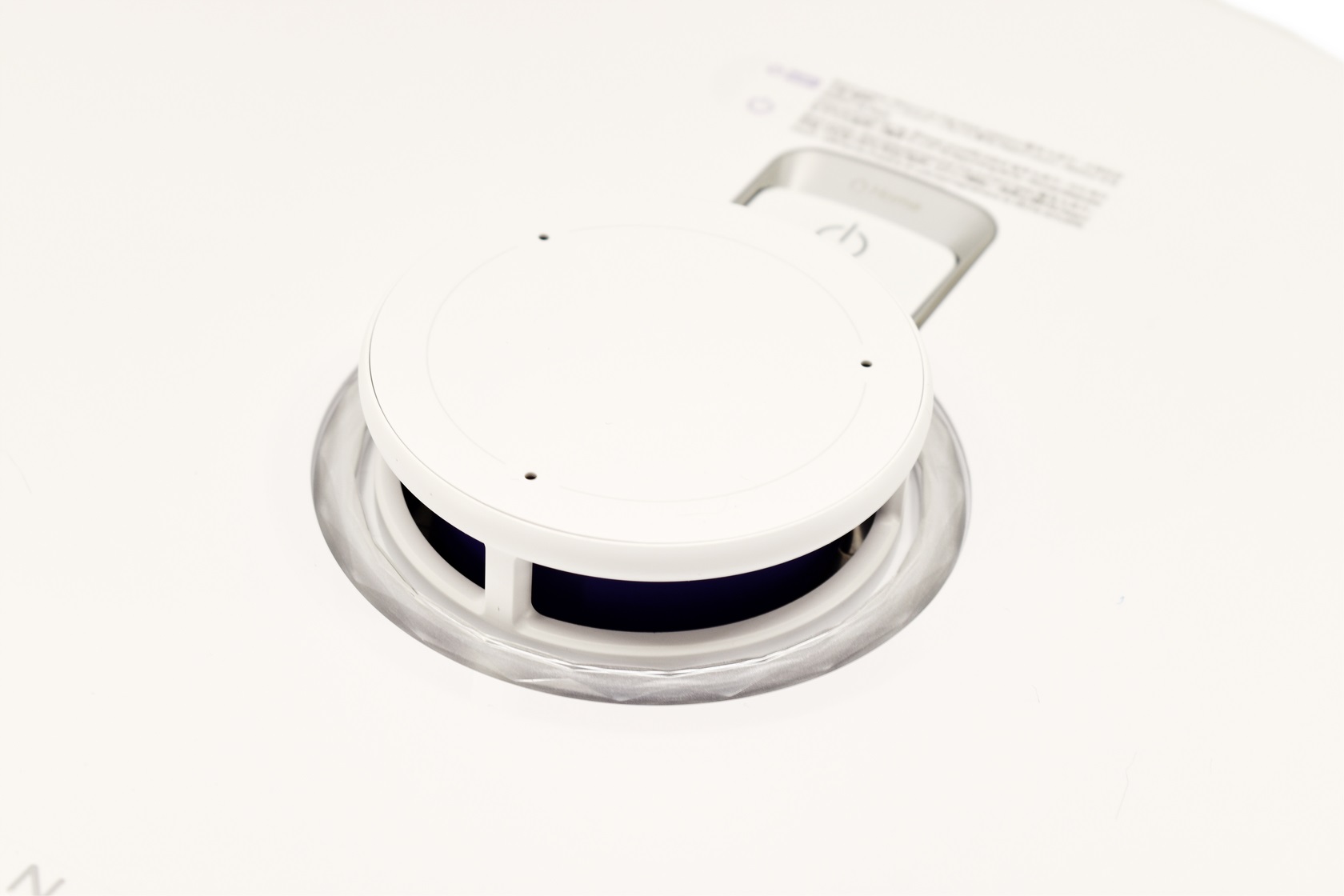
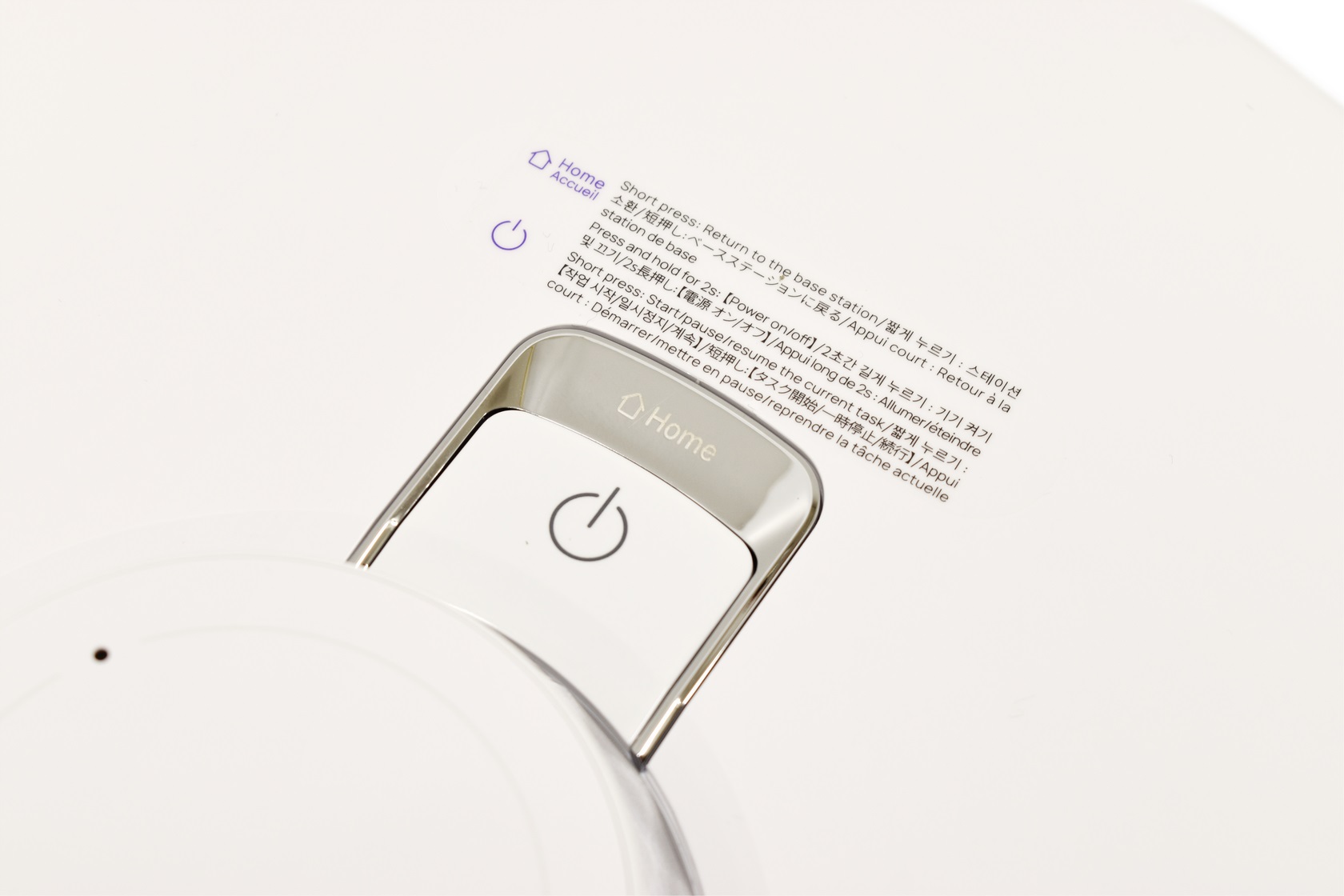
Typically, the LiDAR sensor is located on top of the enclosure right next to the on/off/pause/resume/return to base button.
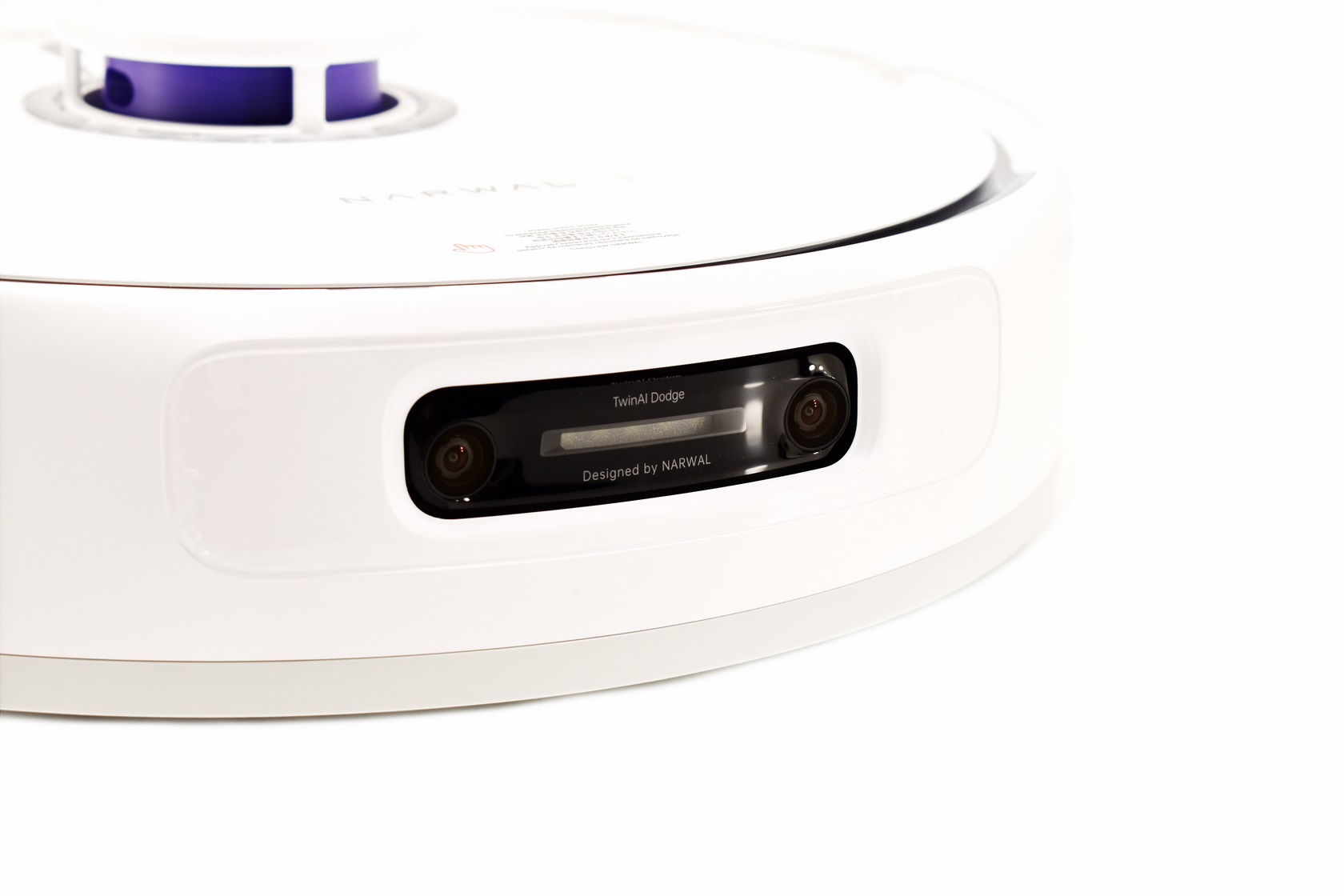
At the front we find the dual RGB cameras (1600x1200p) and the 5 LED headlight.
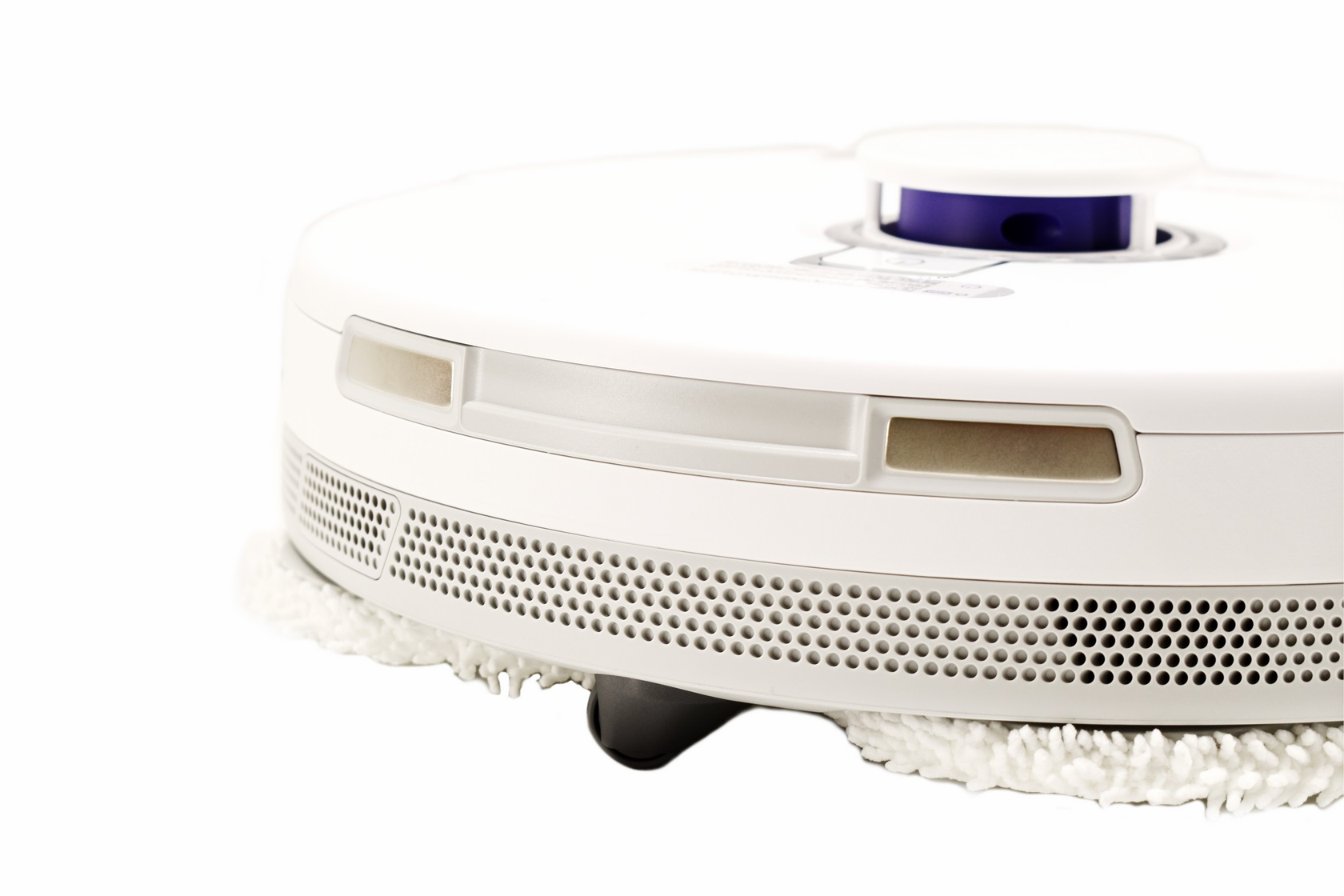
The charging contacts are as expected at the rear of the housing.
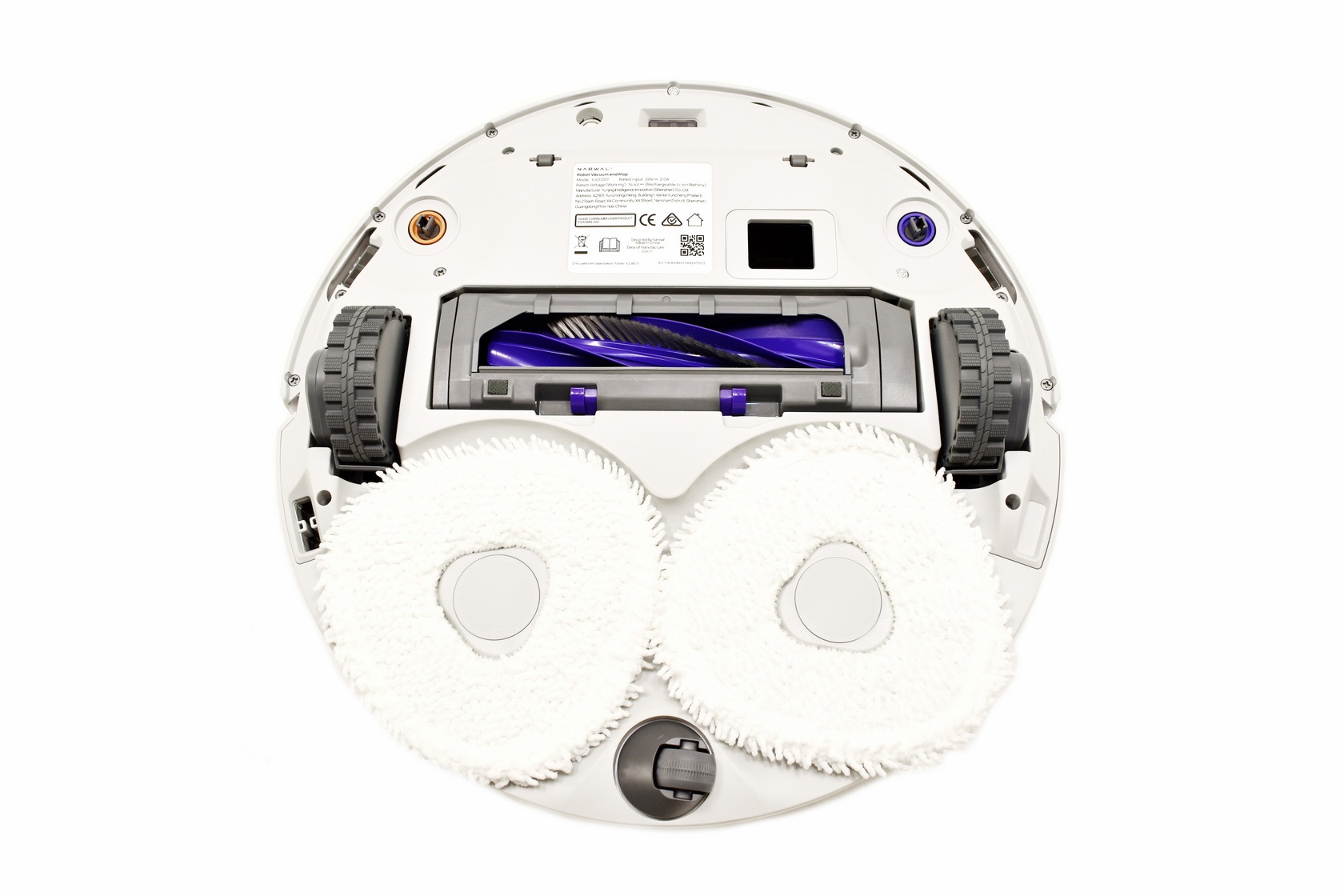
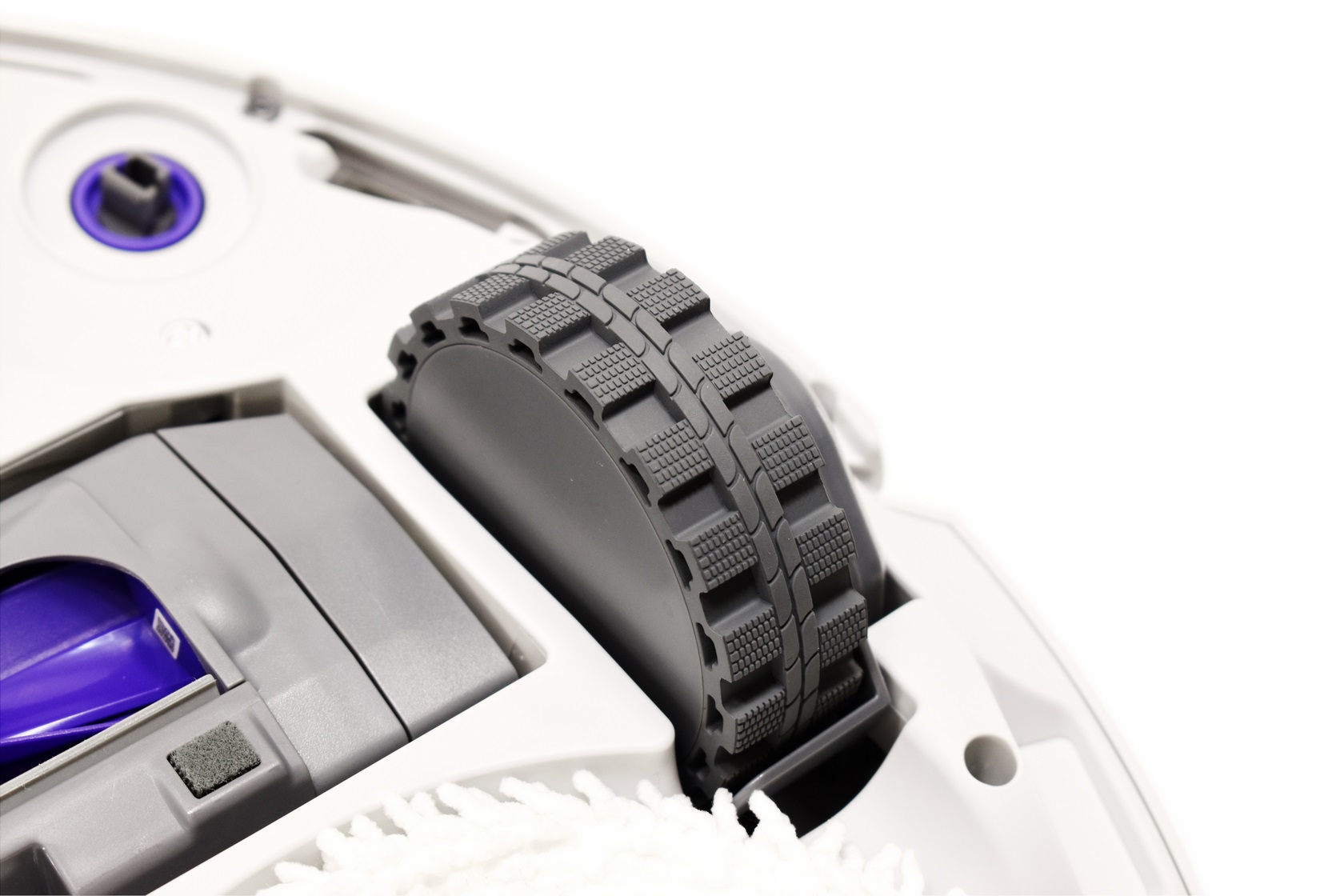
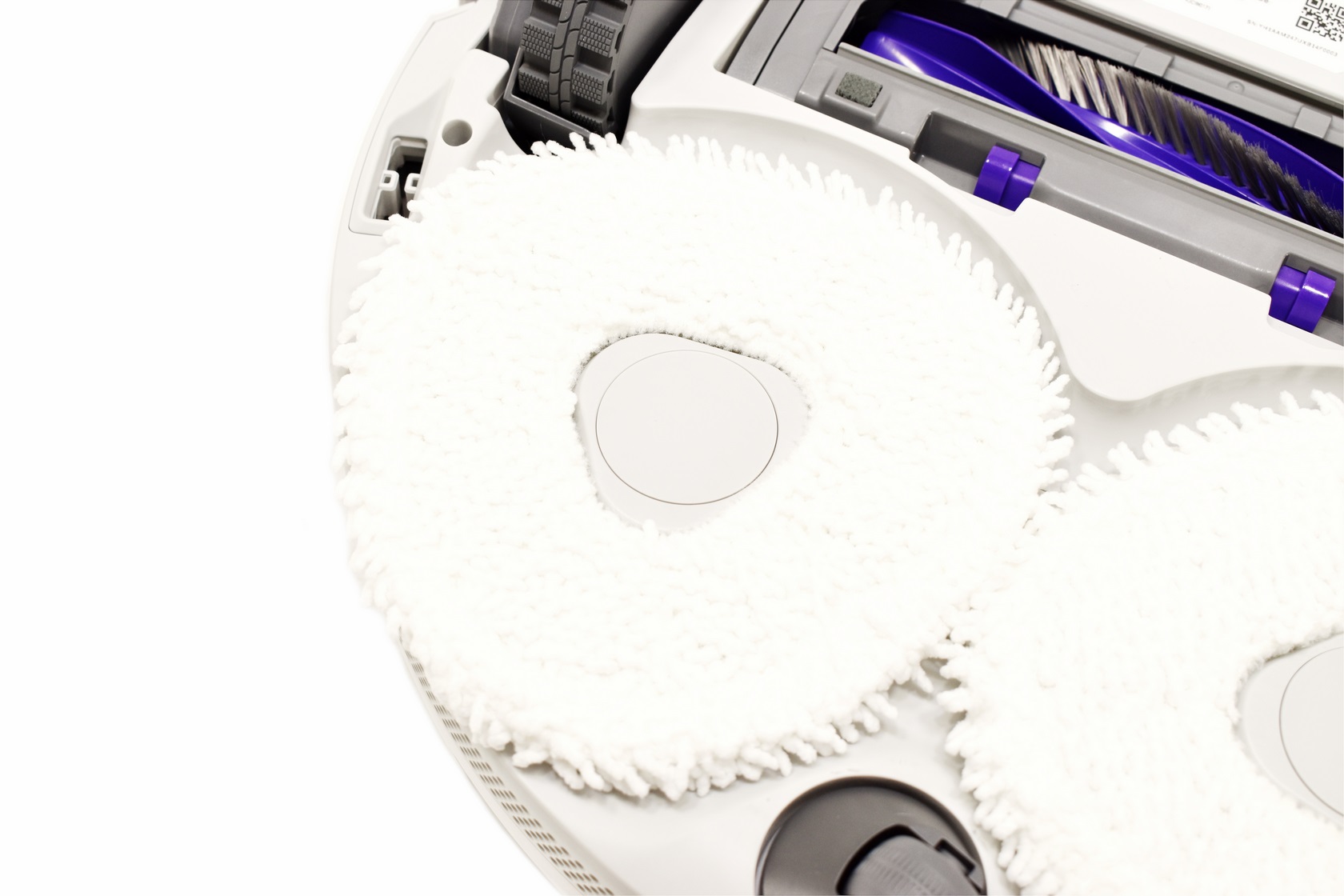
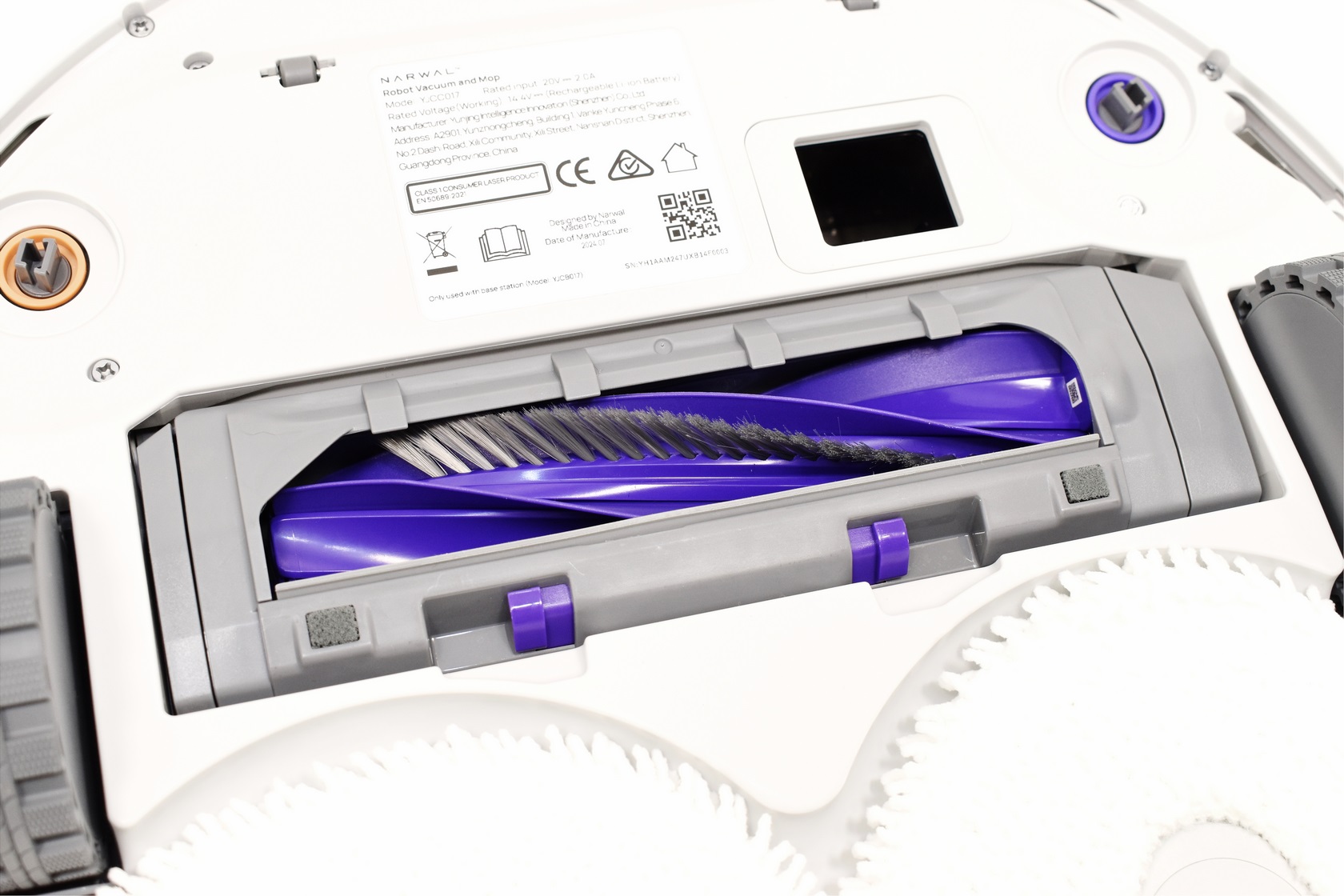
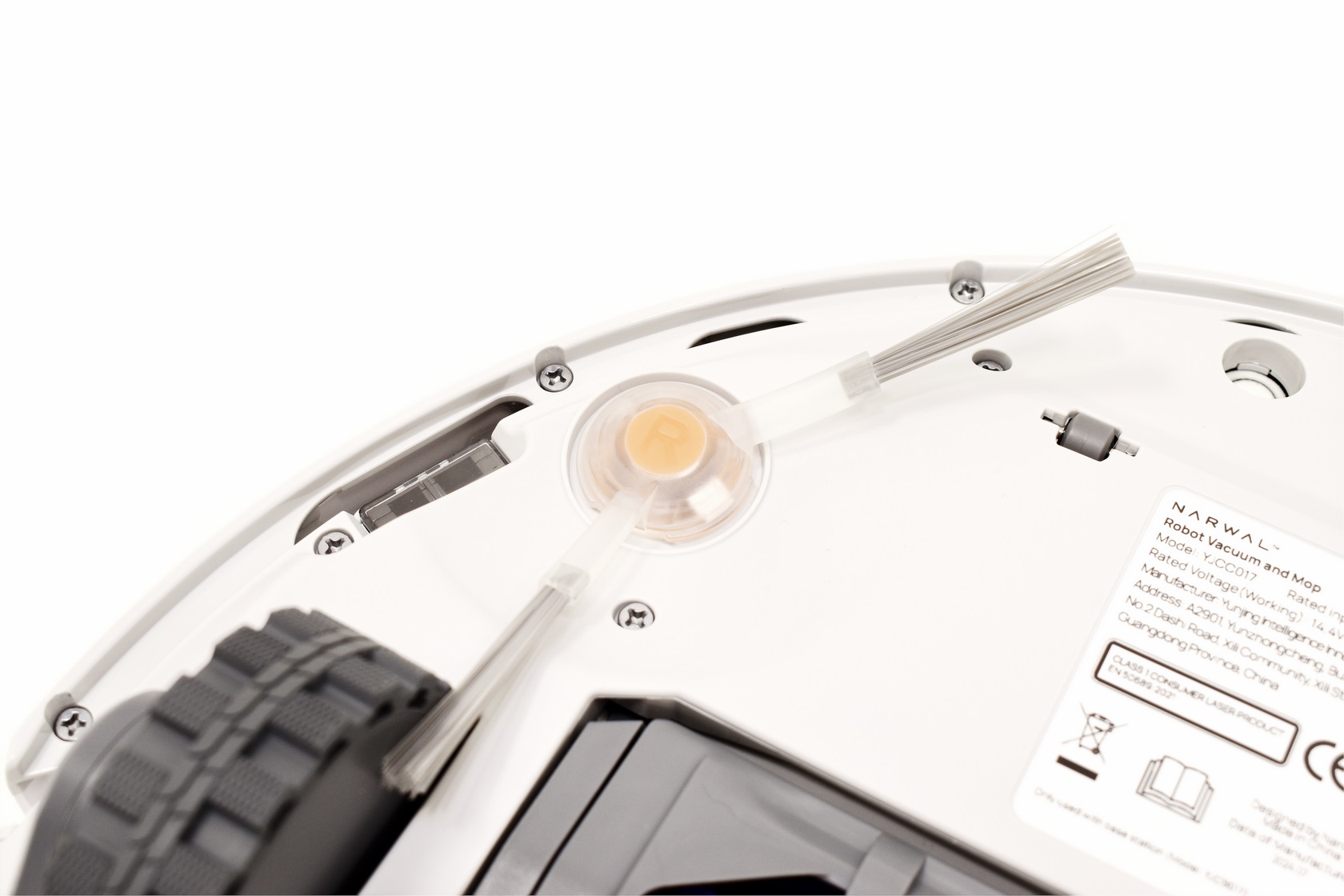
Turning the Freo Z Ultra over we see the two rubberized side wheels, two triangular shaped mopping pads, floating detangling roller brush, two ports for the side brushes, 3 sensors and the baseboard slot.
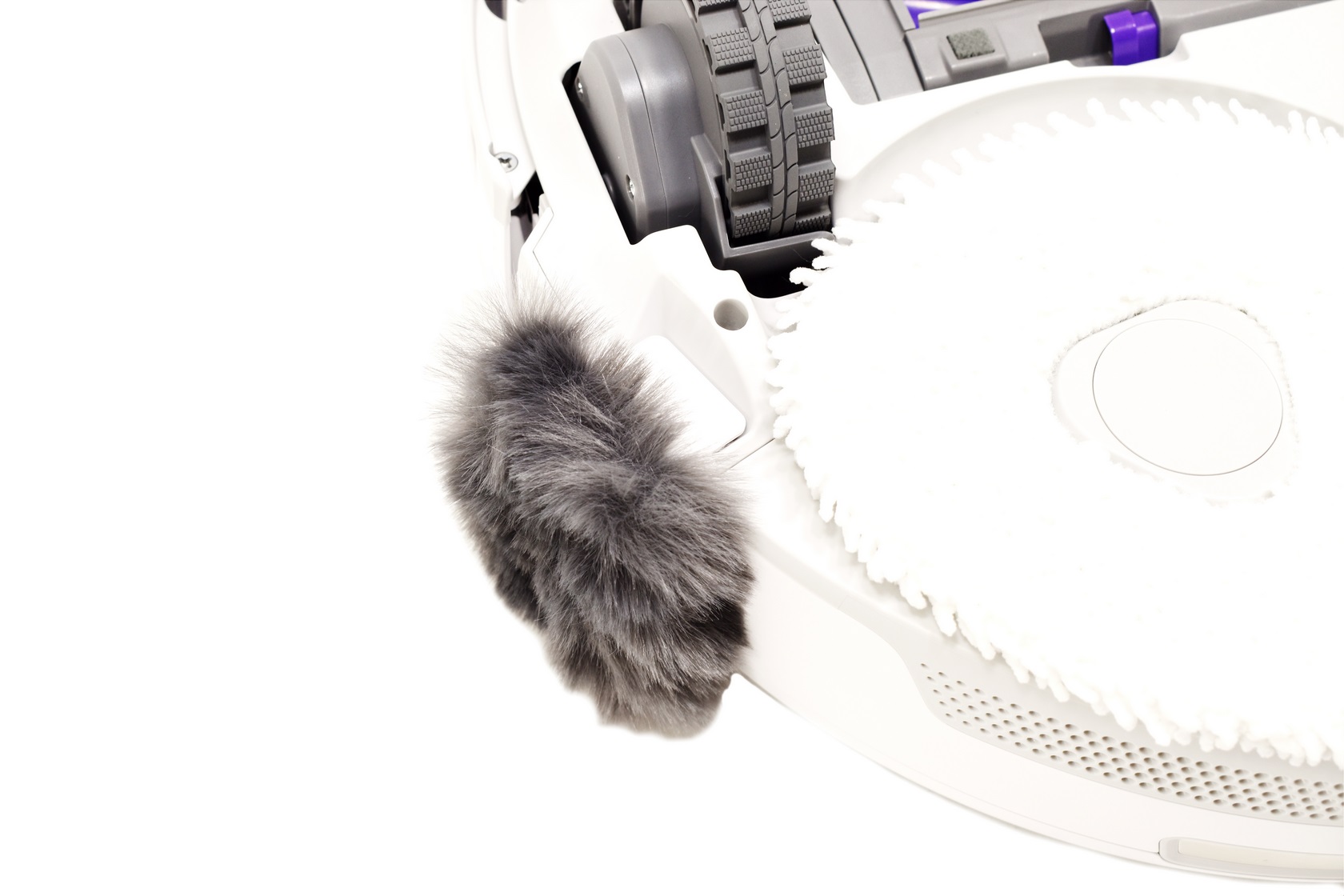
The baseboard cleaner attaches at the base as seen above and at least in my case it worked well.
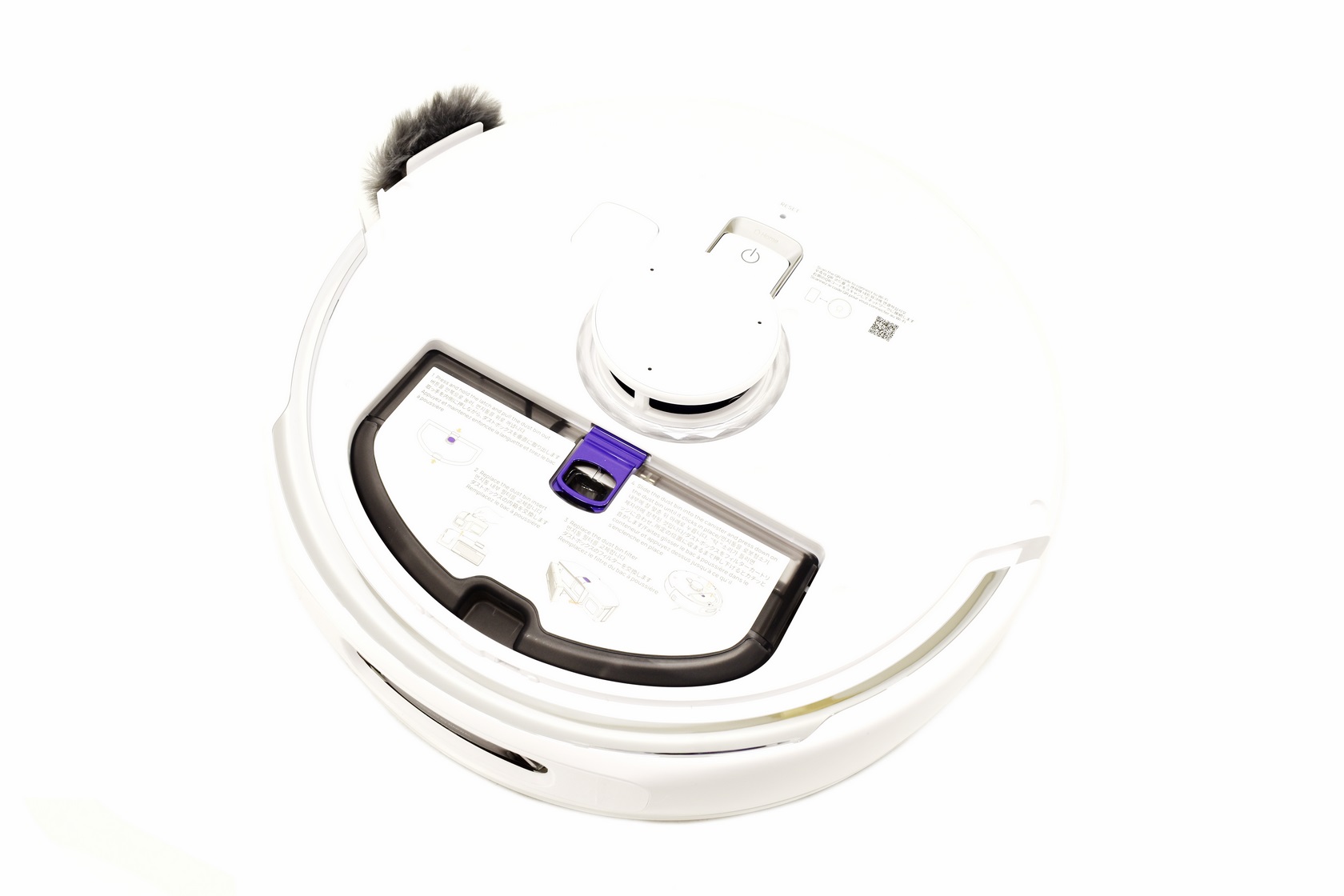
This time over the entire top comes off to reveal the dust bin.
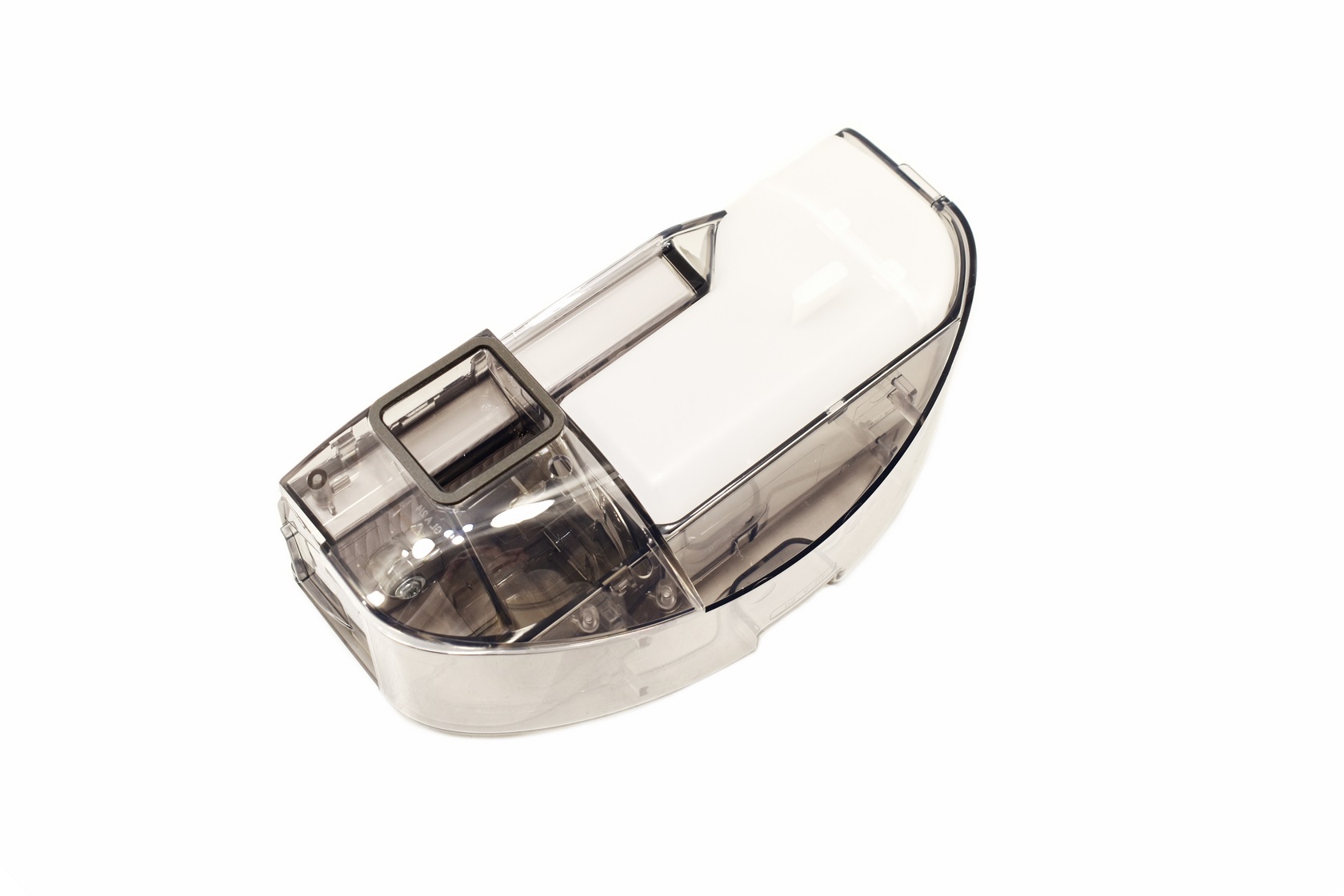
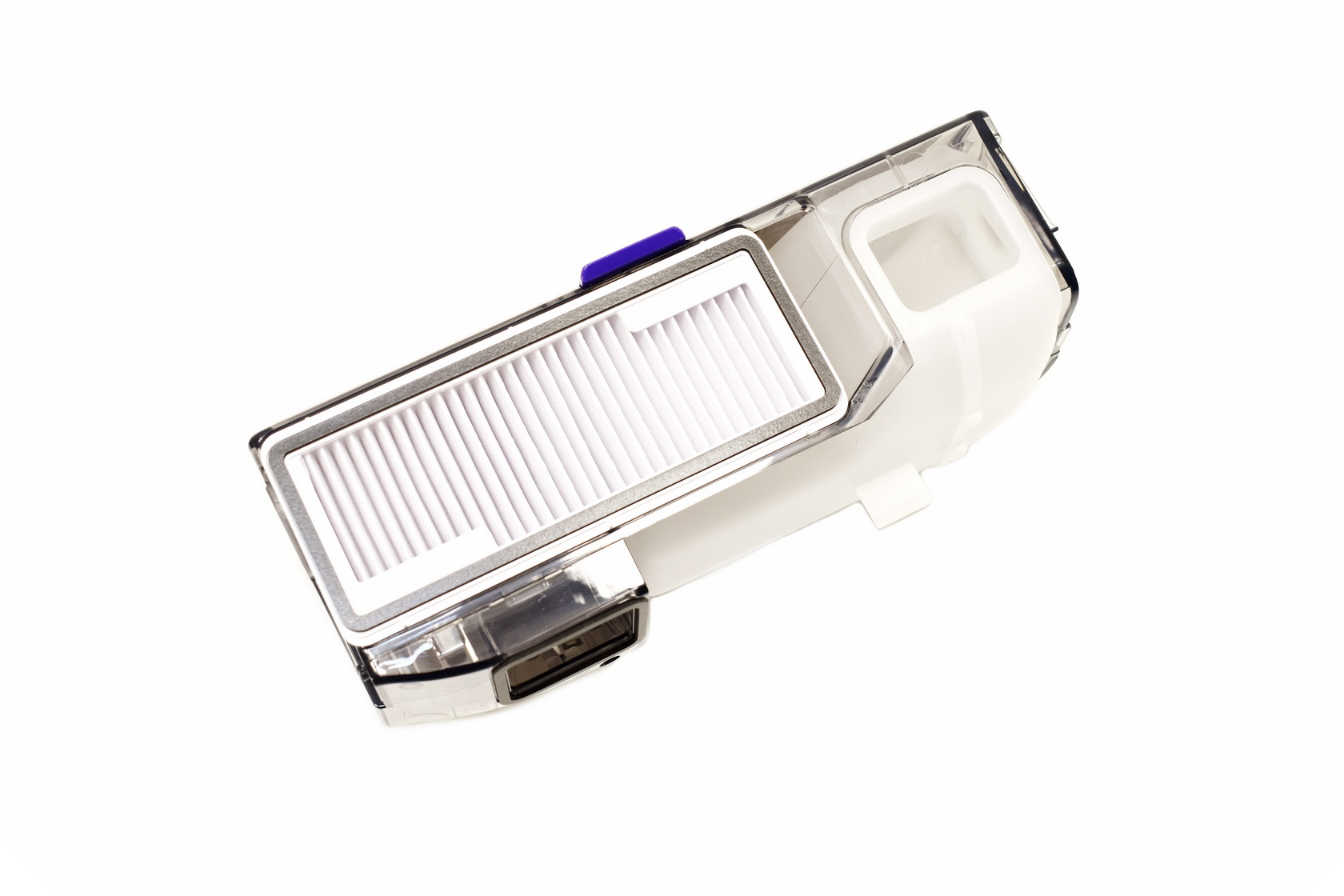 The dust bin is made of 3 pieces, the entire housing, the replaceable dustbin, and the air filter.
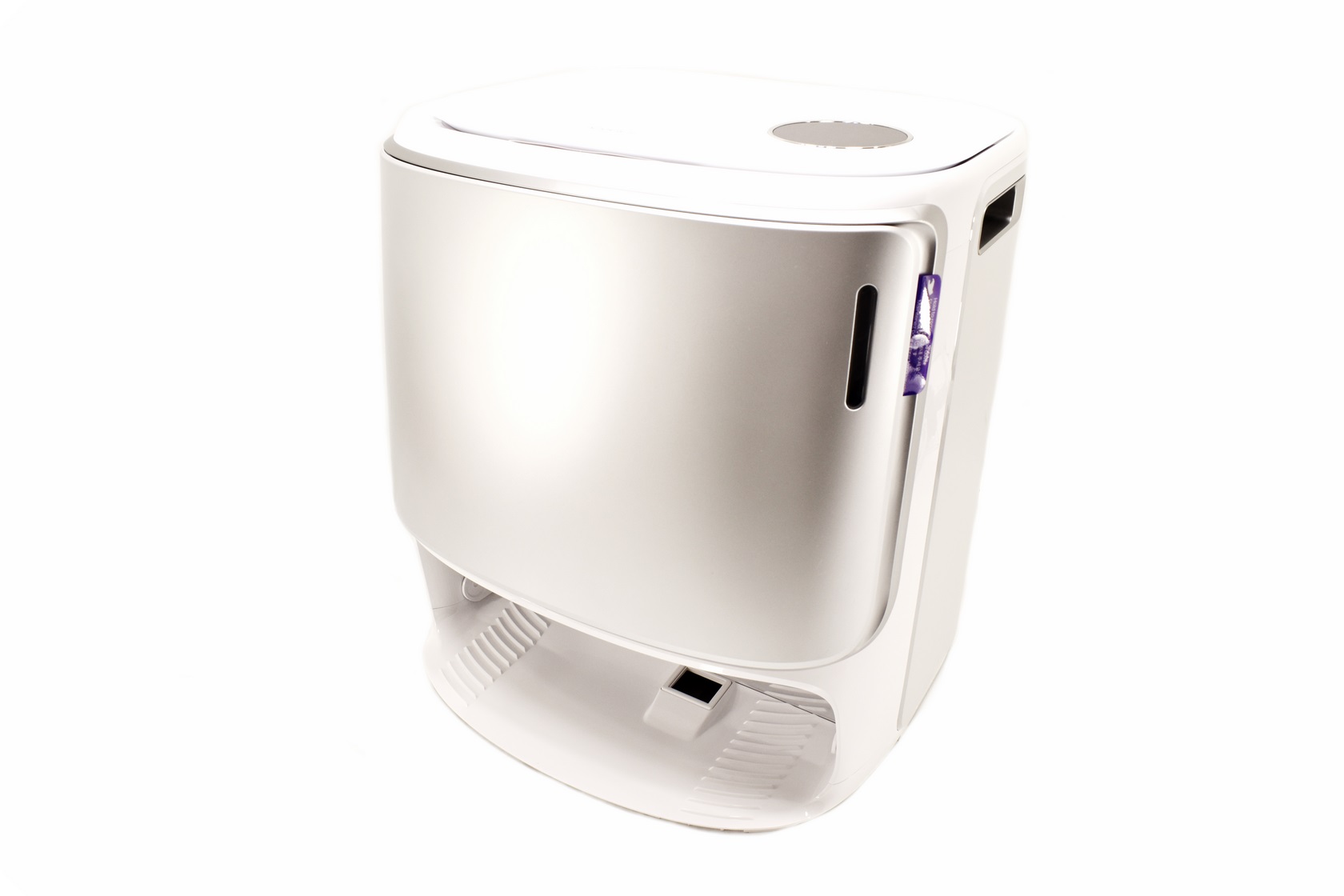
Moving to the base station it's also made primarily of plastic and measures 462mm in height, 430.8mm in length and 388.3mm in width.
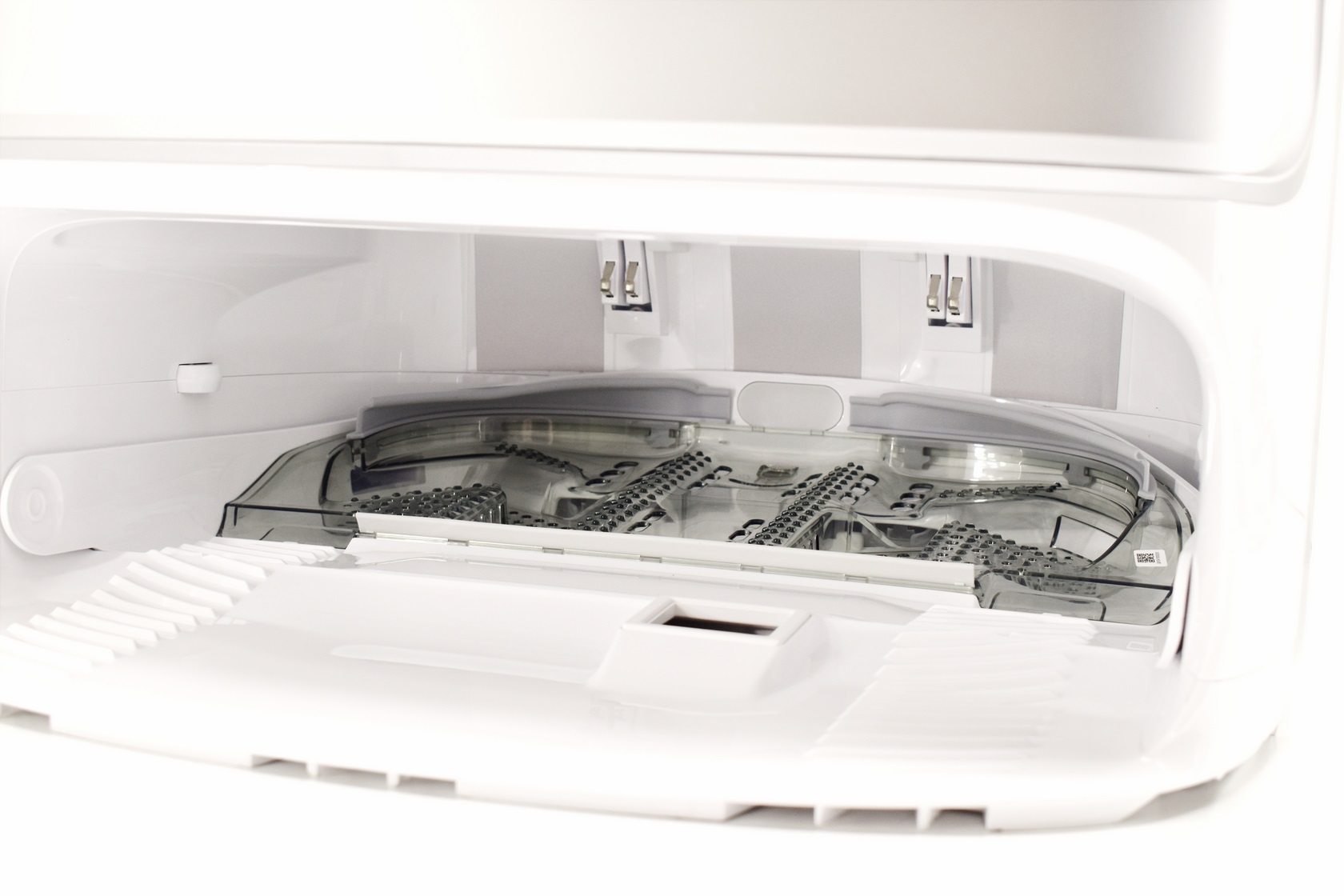
Just like with the base station of the Freo model you can remove and clean the internals of the docking base of the Freo Z Ultra as seen above.
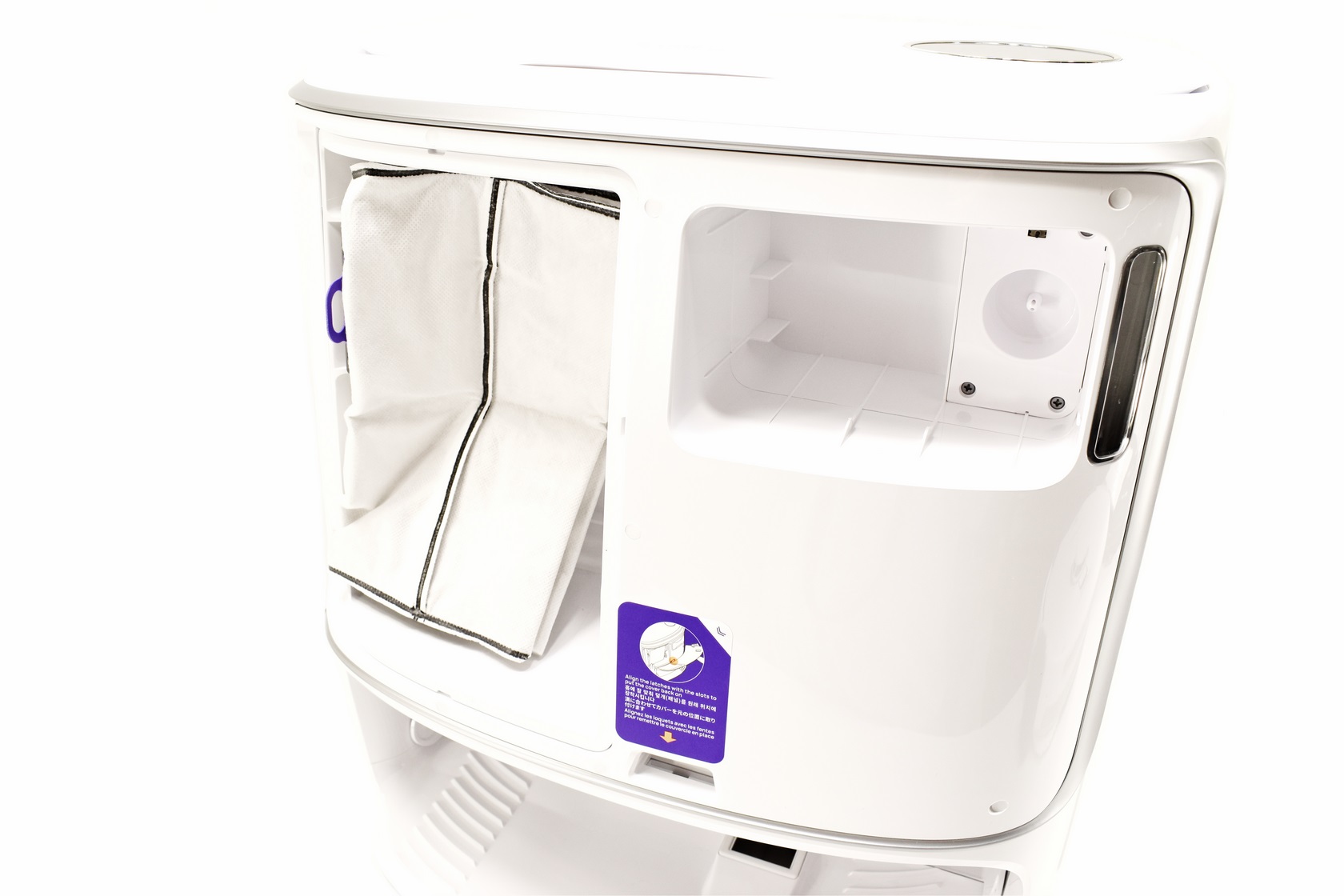
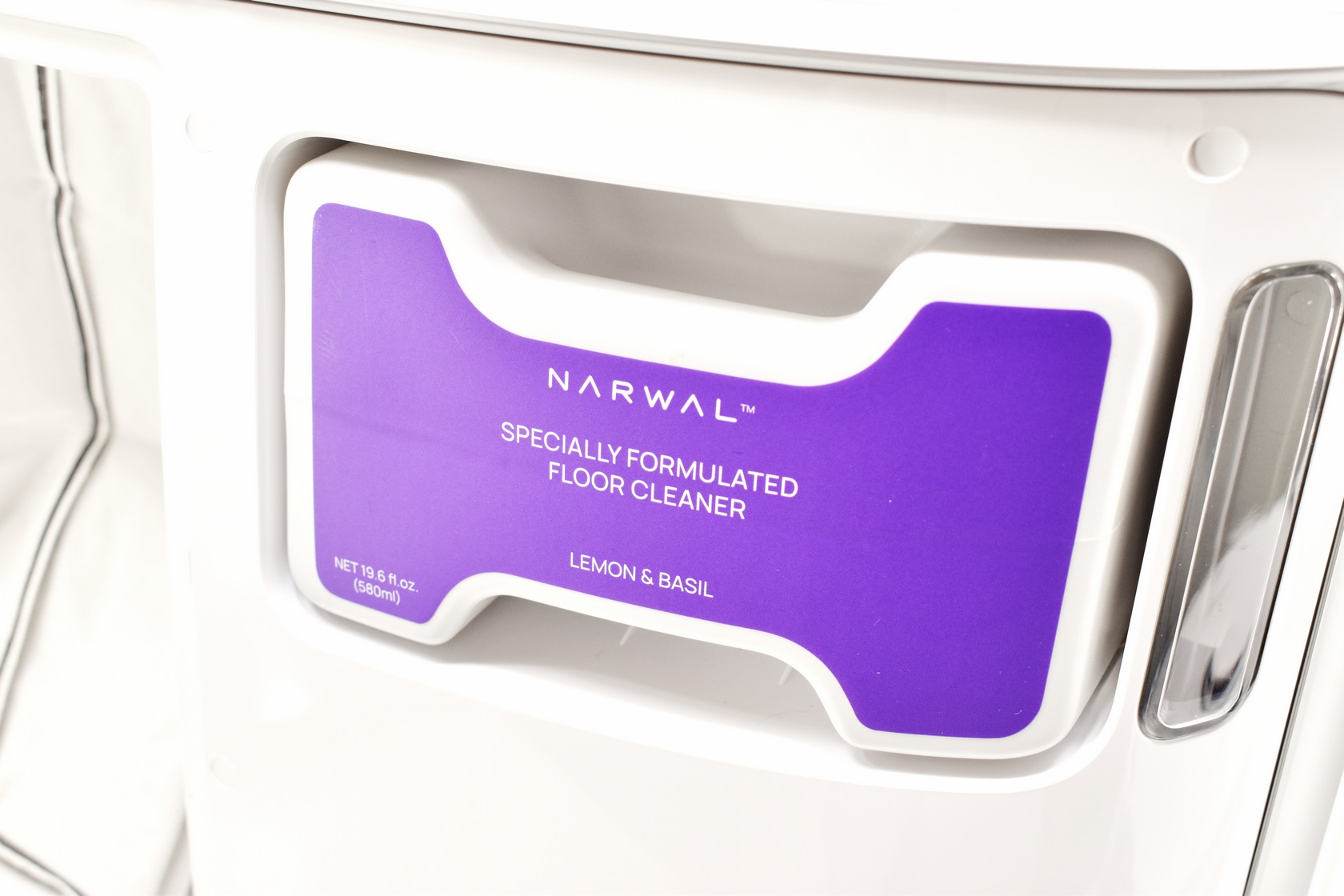
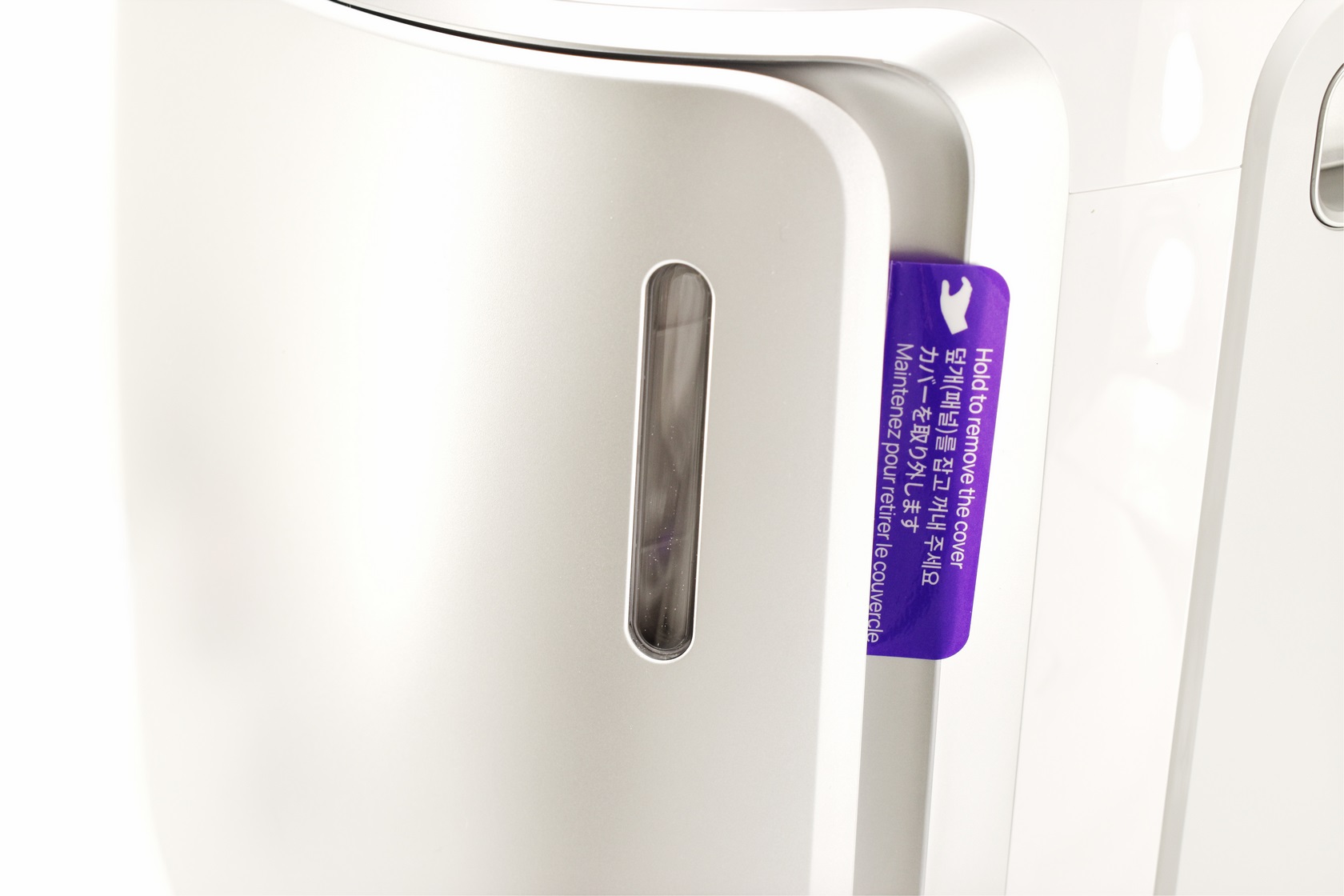
Removing the fascia as seen above reveals the pre-mounted dustbin bag, the cleaning solution mount and current level viewer.
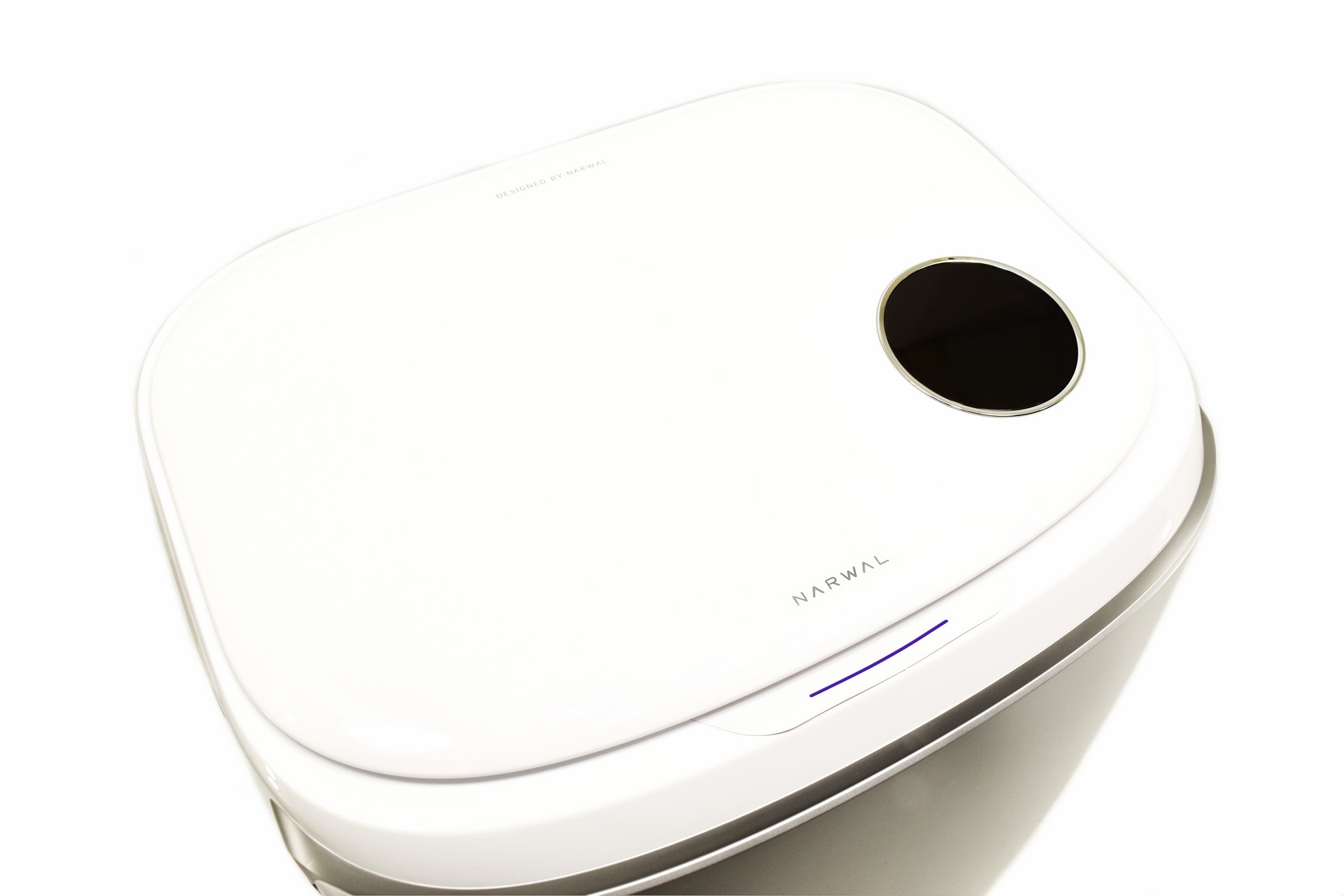
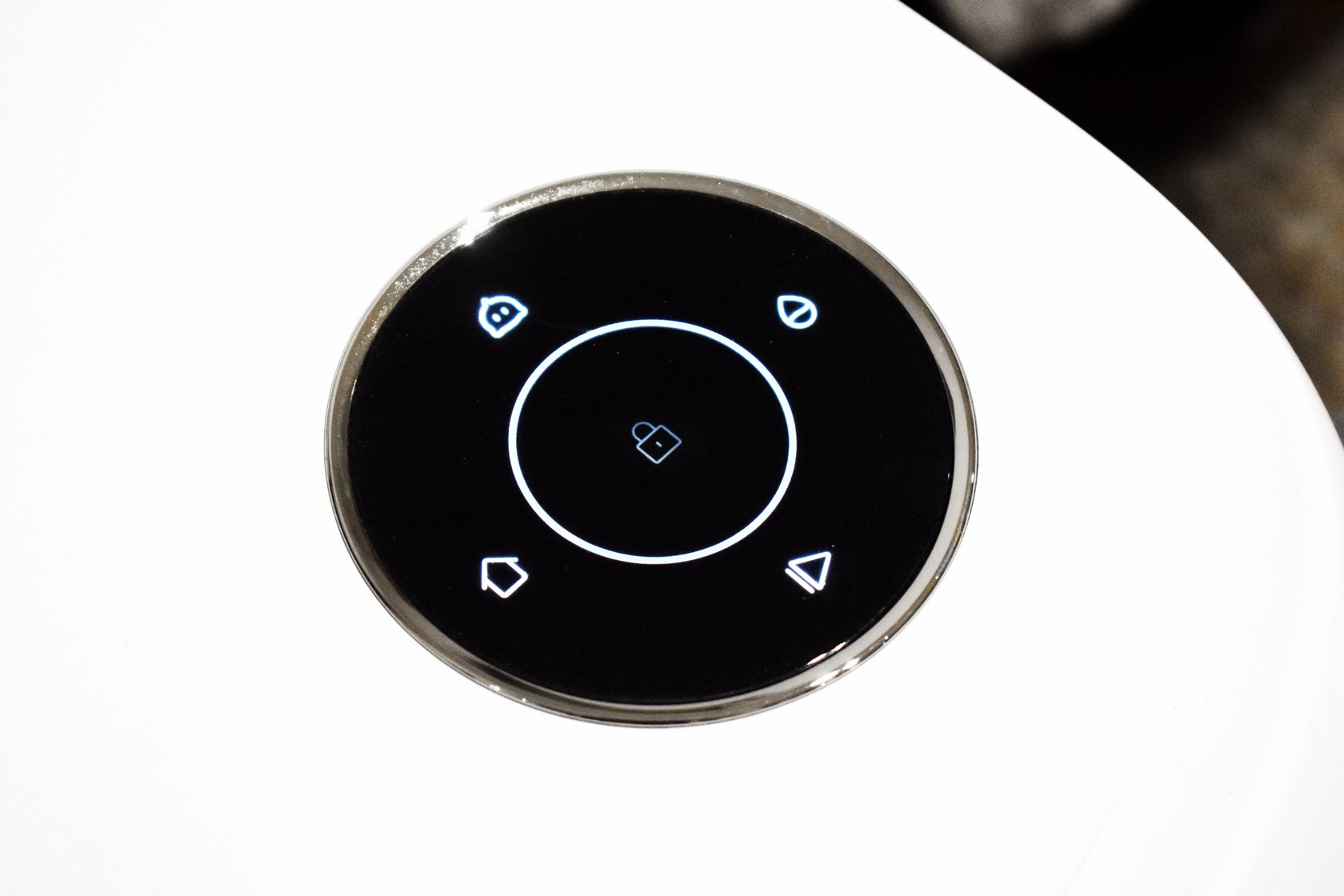
At the top we find the LCD display (again, not as eye catching as the one with the Freo model but it's far easier to use).
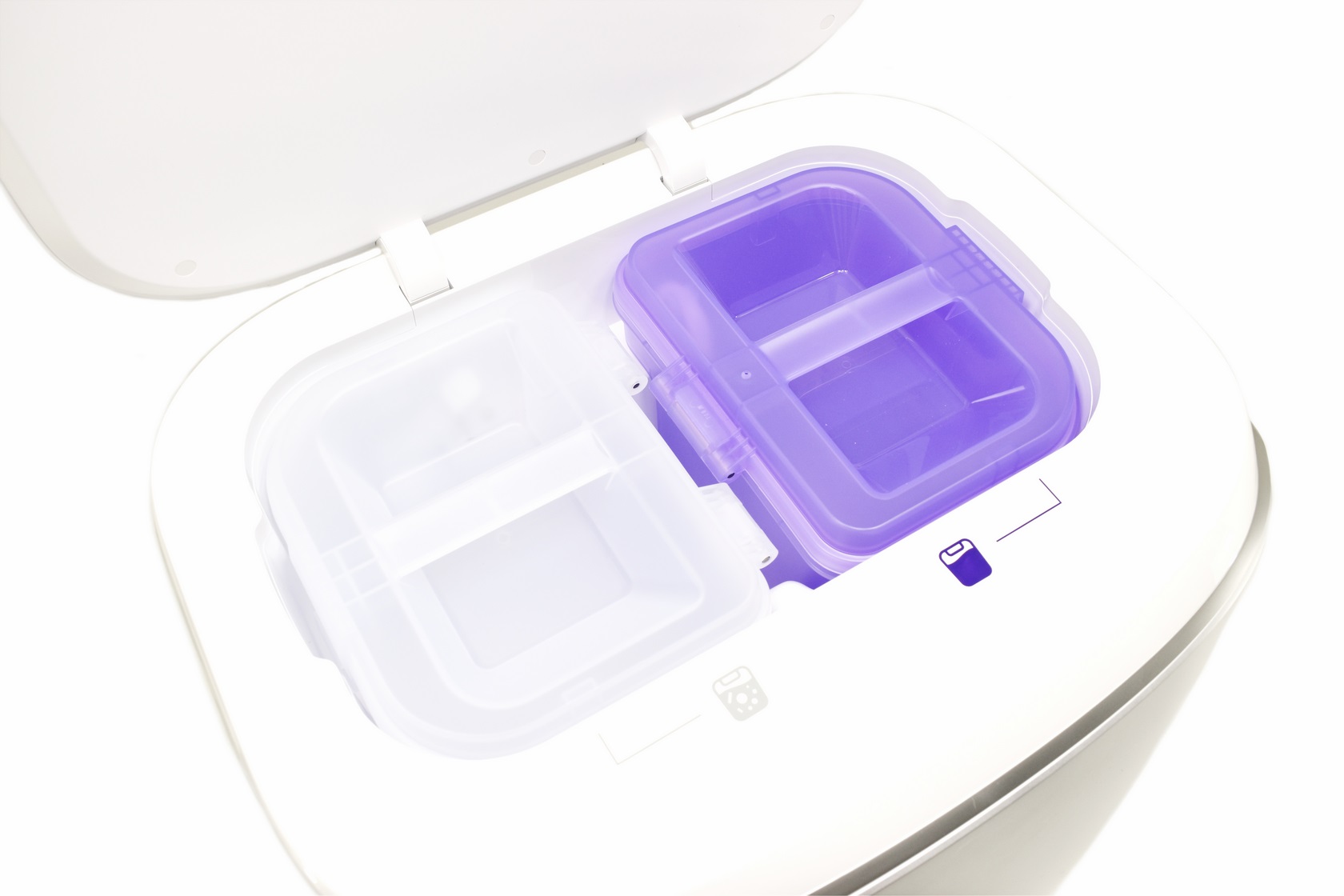
Again, the top opens to reveal two plastic tanks, a 5l one for clean water and a 4.5l one for dirty water.
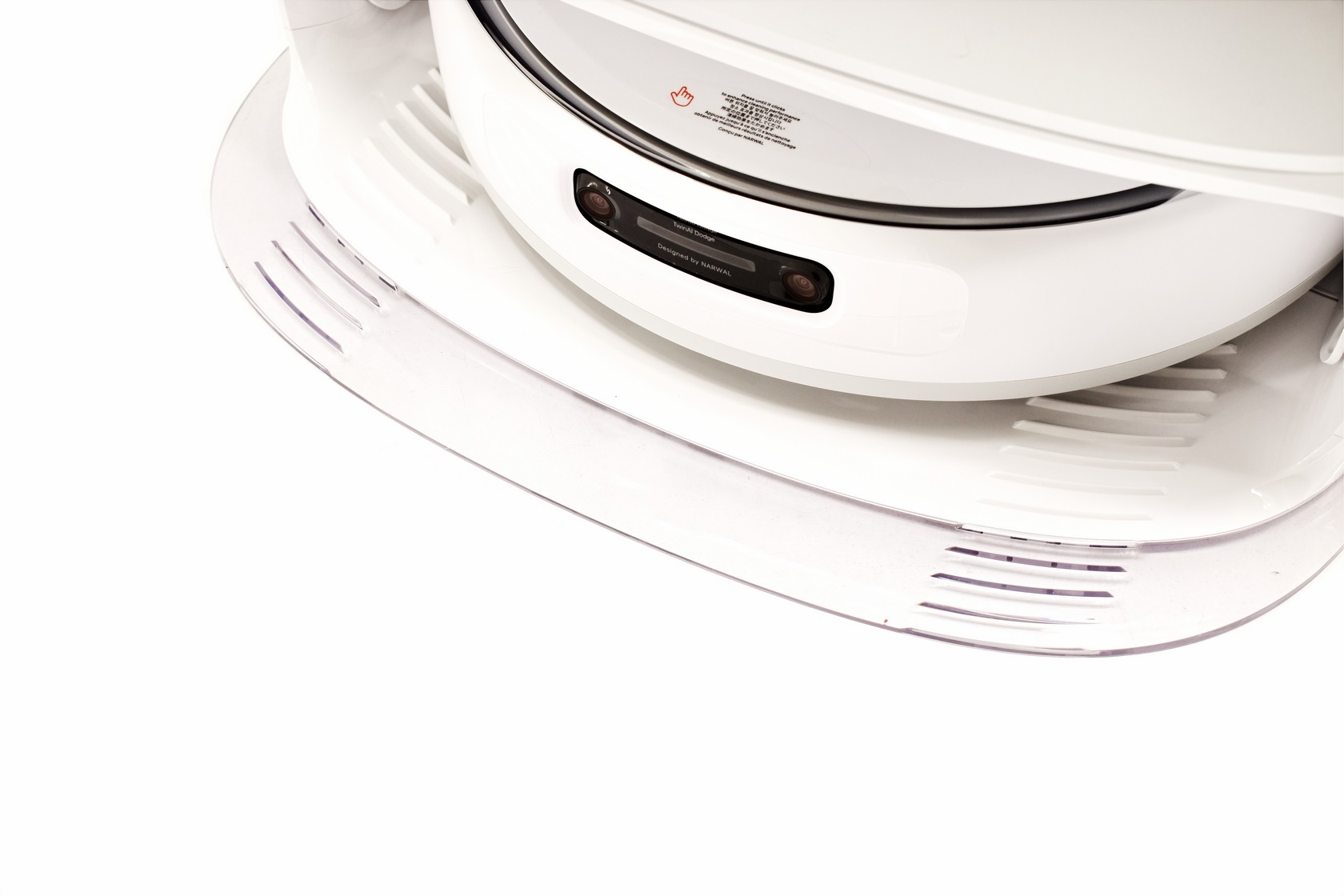
Remember to attach the clear plastic as seen above to make it easier for the robot to exit and enter the base station.
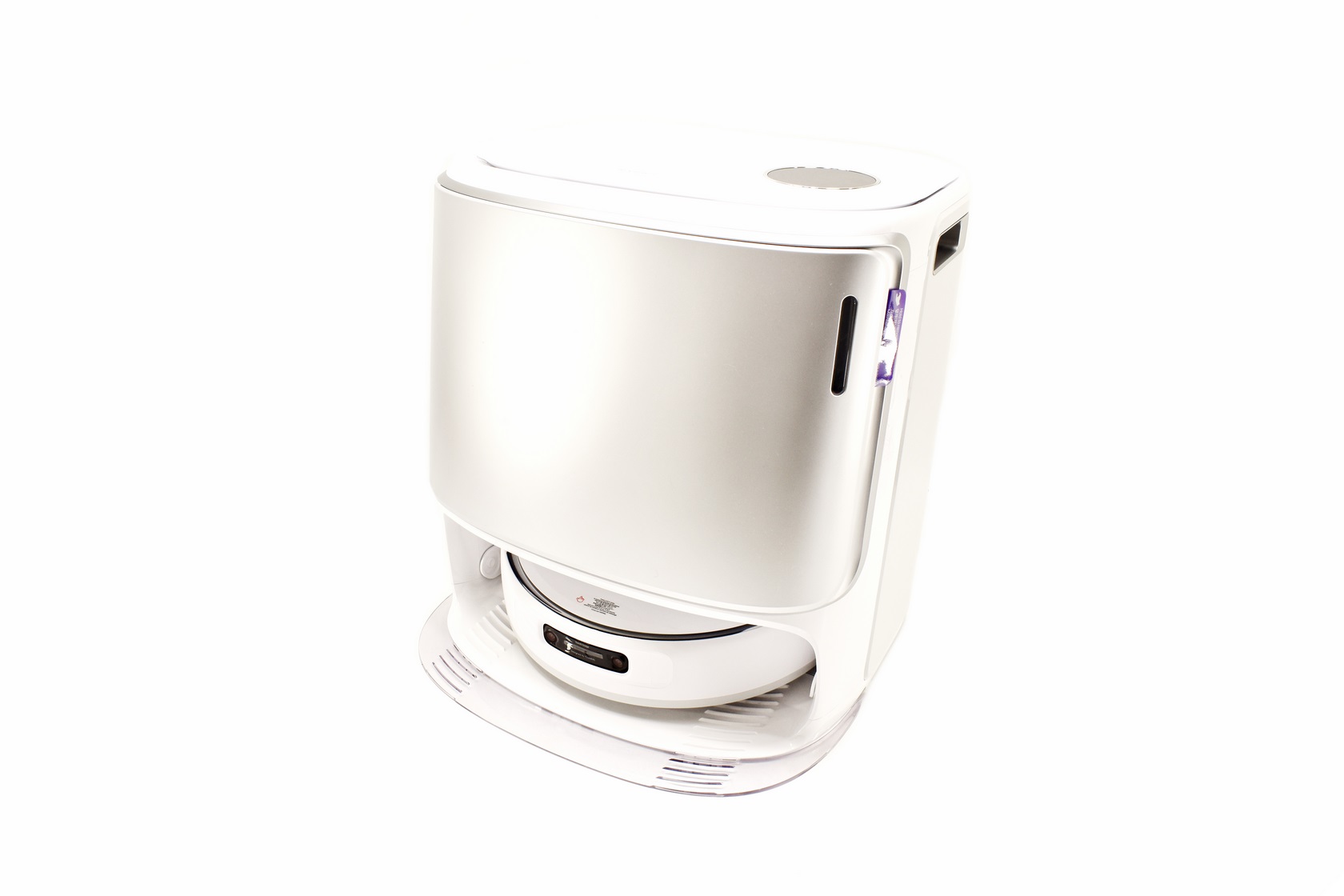
Unlike some other robot vacuum models, the Freo Z Ultra is covered entirely by the base station, so it requires no extra room (nor does it get as dirty as others).